How to Transplant Biennial woollywhite?
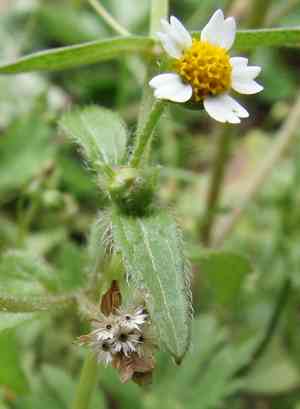
The most suitable time to relocate biennial woollywhite is between the beginning and end of spring, allowing sufficient time for it to settle prior to the summer season. Select a bright spot with soil that drains effectively to encourage robust development. Crucially, steer clear of overly saturated ground!
Necessary Preparations Before Moving Biennial Woollywhite?
When is the Best Time to Relocate Biennial Woollywhite?
The prime window for relocating biennial woollywhite spans from early to late spring. This period allows the plant to establish its root system prior to the intense summer heat. Moving it during these months ensures vigorous development and a healthier specimen, as it benefits from the gradual temperature rise and consistent spring moisture, aiding its adaptation to a new setting.
What is the Recommended Spacing Between Biennial Woollywhite Plants?
For successful relocation of biennial woollywhite, ensure each plant is positioned 24-36 inches (60-90 cm) apart. This provides ample room for growth and prevents overcrowding, which can lead to poor air circulation and disease issues.
What is the Optimal Soil Blend for Biennial Woollywhite Relocation?
Prepare well-draining soil for biennial woollywhite. A sandy or loamy soil mixture is ideal. Before relocation, enrich the soil with a balanced base fertilizer, such as a 10-10-10 (N-P-K) blend, to supply essential nutrients for robust growth.
Where Should You Replant Your Biennial Woollywhite?
Select a sunny location in your garden for biennial woollywhite. These plants flourish best in full sun, meaning they require at least 6-8 hours of direct sunlight daily. Ensuring sufficient sunlight will promote strong and vigorous development.
What Tools Should You Gather Before Moving Biennial Woollywhite?
Gardening Gloves
To safeguard your hands while handling soil and the plant.
Hand Trowel
To carefully excavate around the plant and lift it from the ground.
Shovel or Spade
For digging a wider and deeper hole when necessary.
Watering Can
To hydrate the plant before and after its relocation.
Garden Fork
To gently loosen the soil surrounding the plant.
Mulch
To help maintain soil moisture around the newly relocated plant.
How Do You Extract Biennial Woollywhite from the Ground?
How Do You Extract Biennial Woollywhite from the Ground?
From Ground: First, hydrate the biennial woollywhite plant to moisten the soil. Then, excavate a wide trench around the plant using a shovel or spade, ensuring the plant's root ball remains intact. Carefully work the spade beneath the root ball to lift the plant from its original spot.From Pot: Gently tap the sides of the container to loosen the soil and roots. Invert the pot and carefully slide the biennial woollywhite plant out, ensuring the root ball stays whole.From Seedling Tray: Use a hand trowel to gently separate the seedlings from the tray, taking care not to harm the delicate roots. Handle the seedlings by their leaves rather than the stem to prevent crushing.
Step-by-Step Guide for Relocating Biennial Woollywhite
Site Preparation
Prepare the ground by digging a hole twice the size of the biennial woollywhite's root ball and enriching the soil at the bottom of the hole.
Support
If needed, place a stake or plant support next to the hole for the biennial woollywhite to assist its upright growth.
Removal Preparation
Water the biennial woollywhite plant thoroughly before removal to ensure the root ball is moist and easier to manage.
Relocation
Carefully position the biennial woollywhite plant into the prepared hole, ensuring it's at the same depth as in its previous location. Backfill around the root ball with soil and gently press down to eliminate air pockets.
Watering In
Thoroughly water the newly relocated biennial woollywhite plant to help settle the soil around its roots.
How Do You Care For Biennial Woollywhite After Relocation?
Watering
Keep the soil around the biennial woollywhite consistently damp, but not waterlogged, for the initial weeks after relocation to aid in establishing strong roots.
Mulching
Apply a layer of mulch around the base of the biennial woollywhite to help retain moisture and regulate soil temperature.
Monitoring
Regularly inspect the biennial woollywhite for any indications of stress or pest activity and address issues promptly.
Addressing Common Issues with Biennial Woollywhite Relocation.
When is the best time to relocate biennial woollywhite?
Early spring to late spring is ideal for moving biennial woollywhite for optimal growth and health.
How much space should biennial woollywhite be given?
Relocate biennial woollywhite with spacing of 24-36 inches (60-90 cm) between plants for proper growth.
How do I prepare the soil for biennial woollywhite?
Loosen the soil and mix in compost to enhance drainage and nutrient content for biennial woollywhite.
What should I do if biennial woollywhite looks wilted after relocating?
Keep the soil moist but not waterlogged; avoid direct sunlight until biennial woollywhite recovers.
How deep should I plant biennial woollywhite when relocating?
Plant biennial woollywhite at the same depth it was growing previously to avoid stress.
What is the ideal sunlight exposure for newly relocated biennial woollywhite?
Biennial woollywhite prefers full sun but can tolerate partial shade during the initial recovery period.
How often should I water newly relocated biennial woollywhite?
Water biennial woollywhite regularly, keeping the soil consistently moist for the first few weeks post-relocation.
What should I do about pests during biennial woollywhite's early stages?
Inspect biennial woollywhite regularly for pests and use organic insecticidal soap if necessary to protect the plant.
How can I avoid disturbing biennial woollywhite's roots during relocation?
Handle biennial woollywhite by its base, keep the root ball intact, and avoid shaking off soil.
Is it okay to fertilize biennial woollywhite immediately after relocating?
Wait a few weeks before fertilizing to give biennial woollywhite time to adjust to the new environment.



