How to Propagate Biennial woollywhite?
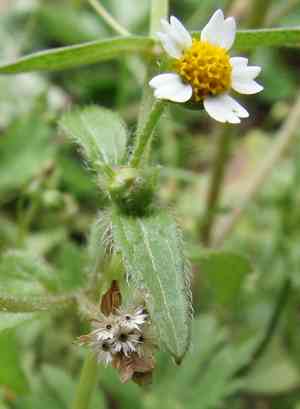
Biennial woollywhite flourishes in permeable ground and abundant sunlight. To propagate, scatter seeds directly onto the soil's surface without burying them, as illumination is essential for their sprouting. Ensure continuous dampness during the germination phase. After seedlings appear, thin them out to avoid congestion, guaranteeing sufficient room for each plant's growth. Periodically check for insects and confirm the soil retains a slightly sandy texture to facilitate root expansion.
When Is the Optimal Period to Propagate Biennial Woollywhite?
Propagation Method
Seeding
Propagation Season
Spring
What Equipment Is Utilized for Biennial Woollywhite Propagation?
Seed Trays
These are shallow containers employed for planting seeds. They facilitate optimal spacing for biennial woollywhite seeds and offer a controlled setting for sprouting.
High-Quality Potting Mix
A well-draining growing medium with a fine texture is crucial for sowing biennial woollywhite seeds. It ensures sufficient moisture retention without waterlogging, fostering robust root growth.
Seed Dibber
A tool designed to create consistent holes in the potting mix for planting seeds. This guarantees that each biennial woollywhite seed is placed at a uniform depth, vital for even germination.
Humidity Dome
A transparent plastic cover placed over the seed tray to maintain high humidity levels and shield biennial woollywhite seedlings from drying out. This creates a microclimate favorable for successful sprouting.
Spray Bottle
Used to gently mist the soil surface without disturbing the biennial woollywhite seeds. This helps keep the soil uniformly moist, which is essential for the seedsâ initial growth phases.
Plant Labels
Small markers to keep track of biennial woollywhite varieties and planting dates. This aids in organizing different batches and monitoring their development.
Heat Mat
Provides consistent warmth from below to seed trays, ensuring the soil remains at an ideal temperature for biennial woollywhite seed germination.
Light Source
Supplemental grow lights ensure that biennial woollywhite seedlings receive adequate light levels, promoting strong and healthy development, especially in low-light conditions.
How to Propagate Biennial Woollywhite?
Propagation Type
Easy
How to Care for Your Newly Propagated Biennial Woollywhite?
How to Care for Your Newly Propagated Biennial Woollywhite?
After propagating biennial woollywhite, ensure the plants receive ample sunlight and consistent watering, particularly during dry spells. Apply mulch around the base to retain soil moisture and inhibit weed growth. Protect from strong winds and offer support if needed. Monitor for pests and diseases, and address them promptly if any issues arise. As a biennial plant, biennial woollywhite will typically produce foliage in the first year and flowers in the second year. Remove spent flowers to encourage extended blooming and to prevent self-seeding if not desired. Applying a balanced fertilizer during the growing season can promote healthy growth and flowering.
Common Errors to Avoid When Propagating Biennial Woollywhite
Improper Seed Handling
Biennial woollywhite seeds are delicate and can be easily damaged or lost. Mishandling them can lead to low germination rates.
Over-watering
Excessive watering can result in root rot and fungal infections, severely impacting the plant's health.
Inadequate Soil Preparation
Using poor-quality or unsuitable soil can impede the seedling's development and overall growth.
Lack of Light
Insufficient light can lead to weak, leggy seedlings that struggle to mature properly.
Tips For Propagating Biennial Woollywhite
Seed Stratification
To enhance germination rates, stratify seeds by placing them in a moist, cold environment for several weeks prior to planting.
Well-draining Soil
Ensure the soil drains effectively to prevent waterlogging. Incorporate sand or perlite if necessary to improve drainage.
Moderate Watering
Water seedlings moderately, ensuring the soil remains moist but not saturated. Allow the top layer of soil to dry between waterings.
Adequate Light
Provide ample light, either through natural sunlight or grow lights, to ensure sturdy, healthy seedlings. Aim for at least 6 hours of direct sunlight daily.



