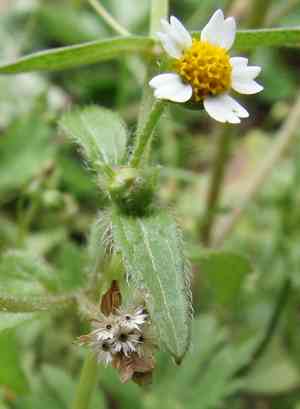
Biennial woollywhite (Hymenopappus biennis)
Also known as: Biennial Whitebeauty, White Old-Man's-Beard
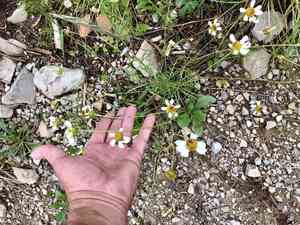
The biennial woollywhite (Hymenopappus biennis) is a herbaceous plant recognized for its slender, tall stems and distinctive daisy-like flowers featuring yellow centers and pale petals. It prospers in open, sunlit areas, particularly favoring dry, sandy soils. In its first year, it develops a leafy rosette, and in the second year, it produces flower clusters that are essential for attracting pollinators, which play a vital role in its life cycle and ecosystem.
In This Article
Attributes of Biennial woollywhite
Lifespan
Biennial
Plant Type
Herb
Plant Height
30-90 cm
Spread
15-30 cm
Leaf Color
Gray-green
Flower Size
0.5-1 cm
Flower Color
White or cream
Images of Biennial woollywhite
Quickly Identify Biennial woollywhite
1
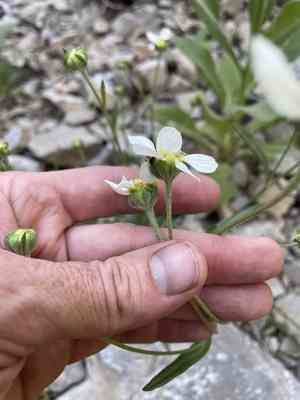
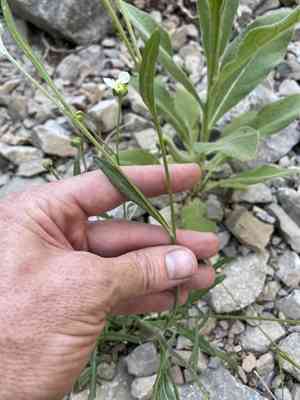
Hymenopappus biennis can be identified by its deeply lobed, gray-green leaves that are woolly and its clusters of small white or cream flowers. The plant usually grows upright with a branching stem.
Scientific Classification of Biennial woollywhite
Phylum
Vascular plants
Class
Dicotyledons
Order
Asterales
Family
Daisy
Genus
Woollywhites
Species
Biennial woollywhite
Planting and Growing of Biennial woollywhite
Care Difficulty
Easy
Watering Schedule
Every 4 days
Sunlight Requirements
Full sun
Sunshine Duration
6-10 hours
Ideal Temperature
60-75℉
Soil Type
Potting Mix, Peat Mix
Soil pH
6.5-7.5
Fertilizer Type
Balanced
Pruning Season
Spring, Summer
Pruning Area
Branches, Leaves
Pruning Frequency
2 times a year
Repotting Season
Spring
Pot Type
Plastic, Ceramic
 How to Water Biennial woollywhite?
Hymenopappus biennis prefers a moderate watering approach. Aim for around 250 ml per session, providing enough moisture to saturate the soil without causing it to become waterlogged. The primary goal is to maintain consistent soil moisture without pooling or dryness.
What are the symptoms of an underwatered Biennial woollywhite?
›
What should I do if my Biennial woollywhite is not getting enough water?
›
What are the symptoms of an overwatered Biennial woollywhite?
›
How to save an overwatered Biennial woollywhite?
›
 What Are the Sunlight Requirements for Biennial woollywhite?
Hymenopappus biennis benefits from full to partial sun exposure, ideally with 6 to 8 hours of sun. Proper light enhances its flowering capacity and overall vitality, promoting a lush and vibrant appearance.
What is the ideal lighting for Hymenopappus biennis?
›
How to achieve ideal sunlight for Hymenopappus biennis?
›
Benefits of ideal sunlight for Hymenopappus biennis
›
 What Is the Ideal Temperature Range for Biennial woollywhite?
The ideal temperature range for Hymenopappus biennis is between 60°F and 75°F. Within this range, the plant can maintain optimal growth and development, ensuring healthy foliage and robust blooming. This temperature helps facilitate metabolic processes vital for the plant’s thriving, including nutrient uptake and photosynthesis efficiency.
 What Soil is Best for Biennial woollywhite?
Hymenopappus biennis thrives in well-drained soils as they prevent water from standing around the roots. This characteristic helps avert root rot, ensuring the plant absorbs necessary nutrients efficiently. This plant prefers soil with low nutritional content. Excessive nutrients can hinder its growth, leading it to develop weak and elongated stems, ultimately affecting its overall health. Hymenopappus biennis does well with minimal organic matter, aligning with its natural habitat in poorer soils. This aspect ensures the plant's energy is dedicated to growth rather than adjusting to unexpectedly rich soils.
 How to Fertilize Biennial woollywhite?
For Hymenopappus biennis, it is crucial to provide a balanced nutrient mixture. When using liquid fertilizer, mix at a quarter of the recommended strength to prevent any root burn. For slow-release granules, a small handful around the plant's base should suffice.
 How to Prune Biennial woollywhite?
Begin by removing any dead, damaged, or diseased stems. Next, trim back approximately one-third of the plant's height to stimulate denser growth. Make cuts just above a leaf node for optimal regrowth. In spring, focus on shaping the plant and encouraging new growth. During summer, remove faded flowers to promote further blooming. In autumn, prepare the plant for winter by removing weaker stems while maintaining its shape.
More About Pruning Techniques→
 How to Propagate Biennial woollywhite plant?
1
Before sowing, soak the seeds in water for 24 hours to soften the seed coat and enhance germination. Drain and pat dry before sowing.
2
Spread the seeds evenly over a seed tray filled with moist soil mix. Lightly cover the seeds with a thin layer of soil to ensure they are not exposed.
3
Place the seed tray in a warm, sunny location. Maintain a temperature of around 20°C (68°F) and keep the soil moist but not waterlogged for optimal germination.
 How to Repot Biennial woollywhite plant?
1
Repotting Hymenopappus biennis should be considered when you notice roots coming out of the drainage holes, soil that dries out very quickly after watering, or when the plant appears top-heavy and unstable. Ideally, repot in early Spring when the plant is entering its active growing phase.
2
Select a pot that is 1-2 inches larger in diameter than the current one. Ensure it has adequate drainage holes to prevent waterlogging, which can lead to root rot. Using a slightly larger pot accommodates root growth and provides stability for the plant.
3
Opt for a well-draining sandy mix that mimics the native environment of Hymenopappus biennis. A soil mix with sand, perlite, and compost works well, offering excellent drainage while retaining enough nutrients, promoting healthy root development.
Learn More About Biennial woollywhite Diseases
Anthracnose
Bacterial Leaf Spot
Bacterial Soft Rot
Bacterial Wilt
Chemical Injury
Cyst Nematode
Damping-off
Downy Mildew
Drought Stress
Fusarium Wilt
Gray Mold
Leaf Spot
Mosaic
Nutrient Deficiency
Nutrient Toxicity
Powdery Mildew
Root Rot
Root-knot Nematode
Rusts
Sooty Mold
Spider Mites
Temperature Stress
Thrips Damage
White Mold



