How to Transplant Newberry's velvetmallow?
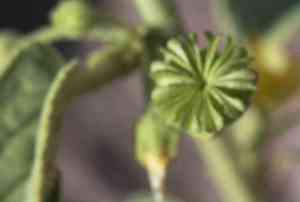
The ideal window for transplanting newberry's velvetmallow extends from the lively resurgence of late spring through the peak warmth of mid-summer. This timing encourages strong root development in soil that drains effectively and receives abundant sunshine. Careful manipulation is crucial to reduce shock.
What Preparations are Needed Before Transplanting Newberry's Velvetmallow?
What is the Ideal Time for Transplanting Newberry's Velvetmallow?
The optimal period to relocate newberry's velvetmallow is during the pleasant warmth of late spring through mid-summer. In this timeframe, newberry's velvetmallow's root system will rapidly establish in the warm earth, and extended daylight hours promote vigorous development. This timing provides newberry's velvetmallow with an advantage to thrive, ensuring a smooth transition to its new spot. Helpful tip: utilize this window for a magnificent display of newberry's velvetmallow's beauty!
How Much Space Should You Leave Between Newberry's Velvetmallow Plants?
Allow your newberry's velvetmallow ample room to flourish! Position them approximately 2-3 feet (60-90 cm) apart. This provides sufficient space for growth, enabling them to develop beautifully without becoming overcrowded.
What is the Best Soil Mix for Newberry's Velvetmallow Transplanting?
For comfortable roots, prepare a growing medium for your newberry's velvetmallow that is well-draining and rich in organic material. Incorporate a balanced, slow-release fertilizer to give them a strong start. Remember, they prefer a nourishing foundation to grow large and robust!
Where Should You Relocate Your Newberry's Velvetmallow?
Select a sunny location that receives partial to full sunlight, as your newberry's velvetmallow enjoys soaking up the sun's rays. This will ensure they obtain the necessary energy to bloom and enhance your garden's appeal.
What Equipments Should You Prepare Before Transplantation Newberry's Velvetmallow?
Shovel or Garden Spade
For excavating the new planting site and extracting the newberry's velvetmallow from its current position.
Gardening Gloves
To safeguard your hands while handling soil and the plant.
Watering Can or Hose
For hydrating newberry's velvetmallow before and after relocation to ensure adequate moisture.
Wheelbarrow or Plant Dolly
To move the newberry's velvetmallow from one spot to another, especially if it is large or heavy.
Pruning Shears
For trimming any dead or excess parts of the plant prior to transplanting.
Rake
To level the soil in the new area before planting.
Mulch
To aid in retaining soil moisture and reducing weed competition near the fresh planting location.
How Do You Remove Newberry's Velvetmallow from the Soil?
How Do You Remove Newberry's Velvetmallow from the Soil?
From Ground: First, irrigate the newberry's velvetmallow plant to moisten the soil. Next, dig a wide trench around the plant using a shovel or spade, ensuring the plant's root ball remains intact. Carefully work the spade beneath the root ball to lift the plant from its original spot.From Pot: Begin by watering your newberry's velvetmallow to make the soil damp. Turn the pot on its side and gently tap the edges to loosen the root ball. Carefully slide the plant out while supporting the stem and root ball.From Seedling Tray: Dampen the soil before attempting to extract the seedling. Using a spoon or a dibber, gently ease out the newberry's velvetmallow seedling by lifting under the roots to minimize damage.
Step-by-Step Guide for Transplanting Newberry's Velvetmallow
Prepare the New Site
Before extracting newberry's velvetmallow from its current spot, prepare the new planting location. Dig a hole twice the width of the root ball and equally deep to provide ample space for the roots to expand.
Lift the Plant
Using the appropriate method from the removal process based on the origin of your newberry's velvetmallow, carefully lift the plant, preserving as much of the root ball as possible.
Transplant Immediately
Relocate newberry's velvetmallow promptly to the new site to prevent prolonged exposure of roots to air. Carry the plant by the root ball rather than the stem to avoid damage.
Positioning
Place newberry's velvetmallow in the center of the new hole so that the top of the root ball is level with the surrounding soil surface. Fill in around the root ball with soil and gently pat down to eliminate air pockets.
Water Thoroughly
After newberry's velvetmallow is in place, water it generously to settle the soil and provide hydration. This will also help to reduce transplant shock and encourage root development.
How Do You Care For Newberry's Velvetmallow After Transplanting?
Regular Watering
Initially, while the newberry's velvetmallow is establishing, it's crucial to water it consistently to maintain uniformly moist soil. Gradually decrease watering as the plant becomes established.
Mulching
Apply mulch around newberry's velvetmallow, keeping it clear of the stem, to help retain soil moisture and regulate soil temperature.
Pruning
Prune any damaged or dead parts from newberry's velvetmallow after transplanting to stimulate new growth.
Monitoring
Observe newberry's velvetmallow for indications of transplant shock, which may include wilting or yellowing leaves, and address any issues promptly.
Troubleshooting Common Issues with Newberry's Velvetmallow Transplantation.
How do I know when it's the best time to transplant newberry's velvetmallow?
The optimal period for relocating newberry's velvetmallow is from late spring to mid-summer, ensuring warmer soil for root establishment.
What is the ideal spacing for planting newberry's velvetmallow seedlings?
Seedlings of newberry's velvetmallow should be spaced 2-3 feet (60-90 cm) apart to allow for growth and air circulation.
What soil conditions favor newberry's velvetmallow after transplanting?
Well-draining soil rich in organic matter is ideal. Check for stagnant water which can hinder root growth.
How deep should the hole be for transplanting newberry's velvetmallow?
Dig a hole that's twice as wide and the same depth as the root ball to accommodate newberry's velvetmallow comfortably.
Can I transplant newberry's velvetmallow on a hot, sunny day?
Avoid hot, sunny days. Overcast conditions with mild temperatures reduce transplant shock for newberry's velvetmallow.
Why are my transplanted newberry's velvetmallow plants wilting?
Wilting could indicate root distress. Ensure you're not planting too deep and that the soil is moist, not waterlogged.
How do I water newberry's velvetmallow after transplanting?
Water deeply after transplanting to settle the soil. Continue with consistent watering, allowing soil to dry slightly between sessions.
When can I feed my transplanted newberry's velvetmallow?
Wait 4-6 weeks before feeding to allow newberry's velvetmallow to establish. Use a balanced fertilizer according to package instructions.
Should I prune newberry's velvetmallow during transplanting?
Prune only damaged or dead parts to focus the newberry's velvetmallow's energy on root development, not foliage.
What if newberry's velvetmallow doesn't flower after transplanting?
Patience is key! Newberry's velvetmallow may not bloom the first year as it's focusing on root and foliage growth instead.



