How to Prune Newberry's velvetmallow?
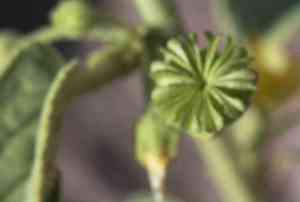
Recognizable by its plush leaves, newberry's velvetmallow flourishes with limited trimming, mainly for shaping and eliminating deceased or compromised sections. Perform pruning during its dormant winter phase to stimulate robust spring development and sustain the plant's well-being. Strategic trimming also fosters a neat look and deters the potential dissemination of ailments. Prioritize judicious thinning over severe cutting to uphold the inherent structure of newberry's velvetmallow, thereby augmenting its decorative value.
What Are the Benefits of Pruning Newberry's Velvetmallow?
What Are the Benefits of Pruning Newberry's Velvetmallow?
Trimming newberry's velvetmallow encourages vigorous development and helps maintain its desired shape. Strategic cuts can revitalize newberry's velvetmallow, fostering a more compact and robust structure, essential for its visual appeal and plant vitality.
What Is the Best Time for Pruning Newberry's Velvetmallow?
What Is the Best Time for Pruning Newberry's Velvetmallow?
Late winter is considered the optimal period for pruning newberry's velvetmallow as the plant is typically inactive then. Pruning during dormancy minimizes stress on the plant since it's not actively growing, allowing newberry's velvetmallow to recover more effectively when new growth resumes in spring. Additionally, the absence of leaves in winter offers better visibility of the plant's structure, enabling more precise trimming and shaping. This timing also helps prevent disease spread, as many pathogens are less active in cold weather. Late winter pruning aligns with newberry's velvetmallow's growth cycle by stimulating new growth in spring, leading to a healthier plant with more abundant flowering as it enters the next growing season.
What Tools Do I Need to Prune Newberry's Velvetmallow?
Hand Pruners
Perfect for making accurate cuts on newberry's velvetmallow's smaller stems and twigs. Hand pruners provide a clean cut vital for the plant's health. Opt for bypass pruners over anvil types to avoid crushing stems.
Loppers
Suitable for cutting through thicker branches of newberry's velvetmallow that hand pruners cannot handle. The long handles offer leverage, making cutting easier and reducing strain on the gardener's hands.
Pruning Saw
Essential for the largest branches of newberry's velvetmallow. The saw should be used when branches are too thick for loppers, ensuring a smooth cut without harming the remaining branch structure.
Garden Shears
Useful for shaping newberry's velvetmallow and managing soft growth. Shears are best for lightly thinning out areas to improve sunlight and airflow, which is crucial for the plant's well-being.
Pruning Gloves
Though not a cutting tool, pruning gloves are vital for protecting a gardener's hands from thorns and rough plant material while trimming newberry's velvetmallow.
How to Prune Newberry's Velvetmallow
Cleaning tools
Before beginning, clean and sanitize your pruning tools to prevent disease transmission. Use a solution of one part bleach to nine parts water to disinfect the blades.
Withered leaves
Gently remove any dried leaves from newberry's velvetmallow by hand or with pruning shears. This helps prevent bacterial and fungal growth that could harm the plant.
Dead branches
Cut back any lifeless branches on newberry's velvetmallow. Make cuts at a 45-degree angle, about a 1/4 inch above a healthy bud or branch junction, which encourages better healing and future growth.
Diseased branches
Identify and carefully trim away any infected branches from newberry's velvetmallow. Ensure to cut well into the healthy tissue to completely remove all diseased parts.
Disposal
Promptly discard all removed materials from newberry's velvetmallow, such as withered leaves, dead, or diseased branches, to minimize the risk of disease spread. Do not compost these materials.
Common Pruning Mistakes with Newberry's Velvetmallow
Overpruning
Removing too much foliage from newberry's velvetmallow at once can stress the plant, weakening it and hindering its ability to thrive.
Imprecise cuts
Unintentional damage to newberry's velvetmallow's main stems or adjacent healthy growth can result from cuts that are not clean and at the correct angle.
Using dull tools
Blunt pruning tools can create jagged cuts that are more susceptible to infection and heal poorly, potentially harming the long-term health of newberry's velvetmallow.
Neglecting tool hygiene
Failing to clean tools between uses can spread disease from infected plants to healthy ones, including newberry's velvetmallow.
Pruning without a plan
Randomly cutting branches without understanding newberry's velvetmallow's growth pattern can lead to a poor shape and reduced flowering.
Common Pruning Tips for Newberry's Velvetmallow
Selective pruning
Identify and selectively remove only the dead, diseased, or overgrown branches to maintain the health and appearance of newberry's velvetmallow without excessive trimming.
Sharp clean tools
Ensure pruning tools are sharp and clean to make precise cuts that newberry's velvetmallow can heal from efficiently, preventing disease.
Angled cuts
Make cuts at a 45-degree angle, just above an outward-facing bud, to promote outward growth and prevent water accumulation, which could lead to disease in newberry's velvetmallow.
Thin center
Carefully thin out the center of newberry's velvetmallow to facilitate air circulation and sunlight penetration, which helps prevent fungal diseases and promotes even growth.
Post-pruning care
After pruning, provide newberry's velvetmallow with appropriate care, such as watering, mulching, and if necessary, feeding, to support recovery and vigorous growth.



