How to Transplant Large leather-root?
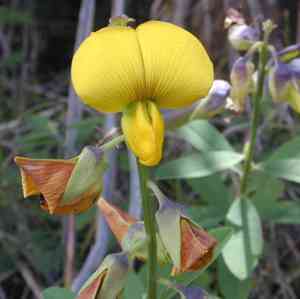
The optimal period for transplanting substantial leather-root specimens is during the mild days following spring, approaching summer, when the ground becomes warmer and supports root development. Select a location bathed in sunlight with soil that drains effectively. Careful manipulation assists in adaptation and reduces stress.
What Preparations are Needed Before Transplanting Large Leather-root?
What is the Ideal Time for Transplanting Large Leather-root?
The best time to move large leather-root is from the refreshing period of late spring to the warmth of early summer. This timeframe allows large leather-root to settle in mild temperatures and consistent growth conditions before the intense stress of peak summer heat. Transplanting large leather-root then utilizes the season's gentle climate to encourage root development and ensure a smooth transition, thereby giving large leather-root the most promising start in its new spot. Helpful hint: ensure large leather-root receives sufficient water after transplanting to aid its comfortable establishment!
How Much Space Should You Leave Between Large Leather-root Plants?
When relocating large leather-root, ensure they have ample room to expand. Position them approximately 18-24 inches (45-60 cm) apart. This spacing provides each plant enough area to thrive without excessive competition from nearby plants.
What is the Best Soil Mix for Large Leather-root Transplanting?
For large leather-root, prepare a welcoming bed by selecting well-draining soil, abundant in organic material. Before planting, enrich the soil with a balanced, slow-release fertilizer to supply your large leather-root with the essential nutrients they'll appreciate as they get established.
Where Should You Relocate Your Large Leather-root?
Choose a location for your large leather-root where they will receive full sun to partial shade. This means about 6-8 hours of sunlight daily. This will guarantee they get just the right amount of sun to flourish, neither too hot nor too dim!
What Equipments Should You Prepare Before Transplantation Large Leather-root?
Gardening Gloves
To shield your hands while handling soil and plants.
Shovel or Spade
To carefully excavate the large leather-root plant without harming its roots.
Garden Fork
To loosen the earth around the large leather-root plant's current position.
Trowel
For precise soil manipulation and smaller root systems.
Pruning Shears
To trim any damaged or overly long roots.
Wheelbarrow or Garden Cart
To move the large leather-root plant and soil.
Watering Can or Hose
To hydrate the plant before and after the relocation process.
Organic Mulch
To help maintain soil moisture and temperature after transplanting.
Plant Supports/Stakes
To offer stability to the large leather-root plant if needed, following transplantation.
How Do You Remove Large Leather-root from the Soil?
How Do You Remove Large Leather-root from the Soil?
From Ground: First, water the large leather-root plant to moisten the soil. Next, use a garden fork to loosen the soil surrounding the plant. Carefully dig a wide trench with a shovel or spade, ensuring a generous amount of soil remains around the root ball. Slide the shovel beneath the root ball to lift the plant from its original spot. Handle the plant by the root ball to prevent stem damage.From Pot: Begin by thoroughly watering the large leather-root plant to make the soil cohesive. Gently tilt the pot sideways and tap its sides to loosen the soil. Gradually ease the plant out by the base of the stem or the top of the root ball. If roots are circling at the bottom, use pruning shears to snip them to encourage new growth.From Seedling Tray: Water the seedlings to ensure the soil is damp. Gently separate the individual large leather-root plants by carefully teasing apart the soil with a trowel or your fingers. Hold the seedlings by the base of their stems while lifting to minimize root disturbance.
Step-by-Step Guide for Transplanting Large Leather-root
Handle with care
Ensure that the large leather-root plant is not stressed by extreme temperatures or direct sun exposure during the transplant process. Handle roots gently to avoid damage.
Prepare the new location
Dig a hole in the ground that is twice as wide and the same depth as the root ball of the large leather-root plant. Use a shovel or spade to loosen soil at the bottom and sides of the hole.
Position the large leather-root plant
Place the large leather-root plant so that the top of the root ball is level with the surrounding ground. Adjust the position as necessary to ensure the plant stands upright.
Backfill the hole
Gently backfill the hole with soil, using your hands or the trowel. Tamp the soil lightly to remove major air pockets.
Water immediately
Thoroughly water the large leather-root plant to settle the soil around the root ball and eliminate any remaining air pockets. This will also help roots to start establishing in their new location.
Mulch around the plant
Apply a layer of organic mulch around the base of the large leather-root plant, keeping some distance from the stem to prevent rot. This will maintain soil moisture and temperature.
Add support if needed
Use plant supports or stakes to stabilize the large leather-root plant if it has a tall growth habit or appears unstable after transplanting.
How Do You Care For Large Leather-root After Transplanting?
Regular Watering
Provide the large leather-root plant with ample water to help it recover from transplant stress. Water deeply to promote strong root growth and avoid letting the soil completely dry out between waterings.
Monitor for Pests and Diseases
Regularly inspect for signs of pests and diseases, especially during the initial weeks when the large leather-root plant is most susceptible. Act quickly if any issues are observed.
Pruning
Remove any dead or damaged foliage to direct the large leather-root plant's energy towards root establishment and new growth.
Avoid Immediate Fertilization
Wait several weeks before applying fertilizer to allow the large leather-root plant time to recover from transplant shock and develop its root system.
Troubleshooting Common Issues with Large Leather-root Transplantation.
What's the prime time to transplant large leather-root?
The ideal period for relocating large leather-root is when the weather warms, from late spring through early summer.
How far apart should I space large leather-root when transplanting?
Give each large leather-root its own space! Aim for about 18-24 inches (45-60 cm) apart for optimal growth.
Why are my transplanted large leather-root wilting?
Wilting might indicate shock or dehydration. Ensure adequate watering without waterlogging the roots and provide temporary shade after transplanting.
How deep should I plant large leather-root root balls?
The root ball should be placed in a hole just deep enough so its top is level with the surrounding soil surface.
Can I transplant large leather-root on a hot, sunny day?
It's best to transplant large leather-root on an overcast day or during the cooler parts of the day to minimize stress.
What's the ideal soil for transplanting large leather-root?
Aim for well-drained soil rich in organic matter. Proper aeration and nutrients can significantly impact its success!
How do I prepare large leather-root for transplanting?
Gradually acclimate large leather-root to outdoor conditions if it's from indoors, trim any excessive growth, and water it thoroughly beforehand.
How much should I water large leather-root after transplanting?
Keep the soil consistently moist but not waterlogged for the first few weeks to help the roots settle in.
What should I do if large leather-root's leaves turn yellow after transplanting?
Yellowing leaves may signal distress. Ensure proper watering, check for pests, and offer shade if it's too sunny.
How can I protect large leather-root after transplanting?
A layer of mulch can help retain moisture, suppress weeds, and provide some temperature insulation for large leather-root.



