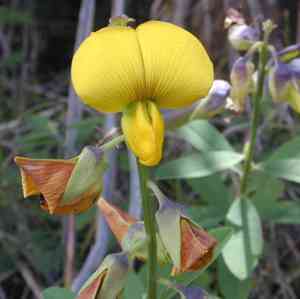
Large leather-root (Hoita macrostachya)
Also known as: Large-flowered Hoita, Woolly Hoita
Joe-Pye Weed (Eutrochium spp.) is a perennial plant that reaches heights of 1.8 to 4.5 meters. Typically found in sunny, moist environments like riverbanks, it showcases vibrant purple blooms during the summer months. After seeding, its foliage dies back. Historically, its robust roots were utilized to create rope fiber.
In This Article
Attributes of Large leather-root
Lifespan
Perennial
Plant Type
Herb
Plant Height
2 m
Spread
1.2 m
Leaf Color
Green
Flower Size
9 mm
Flower Color
Purple
Images of Large leather-root
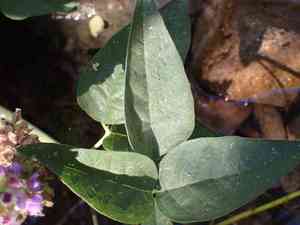
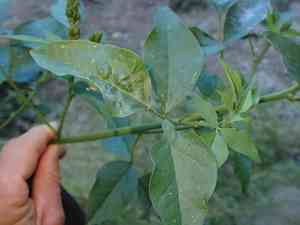
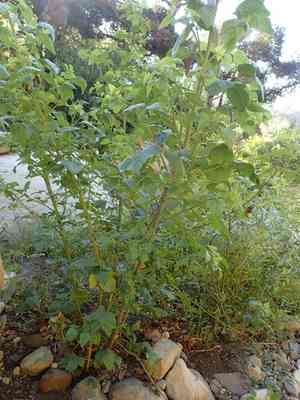
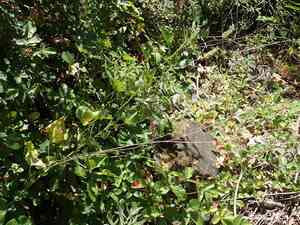
Quickly Identify Large leather-root
1
Hoita macrostachya can be identified by its tall, erect stems that can reach up to 3 meters. It has pinnately compound leaves with several leaflets, and its flowers are densely packed in elongated clusters. The flowers\' violet or purple color is a distinguishing characteristic.
Scientific Classification of Large leather-root
Phylum
Vascular plants
Class
Dicotyledons
Order
Fabales
Family
Legume
Genus
scurfpeas
Species
Large leather-root
Planting and Growing of Large leather-root
Care Difficulty
Easy
Watering Schedule
Every 3 days
Sunlight Requirements
Partial sun
Sunshine Duration
4-8 hours
Ideal Temperature
65-75℉
Soil Type
Potting Mix, Peat Mix
Soil pH
6.5-7.5
Fertilizer Type
Balanced
Pruning Season
Spring, Summer
Pruning Area
Branches, Leaves
Pruning Frequency
2 times a year
Repotting Season
Spring
Pot Type
Plastic, Ceramic
 How to Water Large leather-root?
For Hoita macrostachya, water deeply yet cautiously. Ensure the soil is soaked, but don't let water pool. Aim for about 500 ml per watering session, adjusting based on soil moisture levels and environmental conditions.
What are the symptoms of an underwatered Large leather-root?
›
What should I do if my Large leather-root is not getting enough water?
›
What are the symptoms of an overwatered Large leather-root?
›
How to save an overwatered Large leather-root?
›
 What Are the Sunlight Requirements for Large leather-root?
Hoita macrostachya prefers partial sunlight, benefiting from soft, filtered light. Ideal light conditions promote vibrant foliage, robust growth, and prevent issues like scorching or etiolation.
How often should I move my plant?
›
What type of exposure is optimal?
›
How can I simulate natural light indoors?
›
 What Is the Ideal Temperature Range for Large leather-root?
The ideal temperature range for growing Hoita macrostachya lies between 65°F and 75°F. This range ensures optimal growth and development, allowing the plant to thrive and produce healthy foliage. The temperature within this range supports photosynthesis and other metabolic processes crucial for the plant's overall health.
 What Soil is Best for Large leather-root?
Hoita macrostachya thrives best in well-drained soil, which helps prevent root rot by allowing excess water to easily escape. Ensuring good drainage is crucial for maintaining healthy root systems and promoting vigorous growth. This plant prefers soil with moderate fertility. Excessive nutrients can cause lush foliage but limited flowering. Aim for balanced fertilization to support both vegetative growth and blooming, providing a lush and well-flowered appearance. Incorporating organic matter into the soil enhances its structure and nutrient-holding capacity, which supports the plant's overall health and growth. It also aids in maintaining moisture levels, reducing the frequency of watering.
 How to Fertilize Large leather-root?
Hoita macrostachya, commonly known as the large spike hoita, benefits from moderate fertilization. When using liquid fertilizers, ensure you dilute it to half strength to prevent nutrient burn. Apply enough to dampen the soil without causing waterlogging.
 How to Prune Large leather-root?
Begin pruning Hoita macrostachya by first removing any dead or damaged branches, which could harbor disease or pests. Use a pair of clean, sharp pruning shears to make clean cuts, avoiding jagged edges. Trim back any overly long branches that disrupt the overall shape of the plant, ensuring that you maintain a natural appearance. This helps promote new growth and enhances the plant's visual appeal. For Hoita macrostachya that have become woody or overly dense, consider rejuvenation pruning. This involves cutting back the plant significantly, sometimes to ground level, to encourage new, vigorous growth. Be mindful, though, as this intense form of pruning might initially reduce the plant's aesthetic. However, it can lead to a healthier, more robust plant in the long run.
More About Pruning Techniques→
 How to Propagate Large leather-root plant?
1
Fill the seed tray with a good quality sterile seed-starting mix to provide the proper environment for seed germination. Make sure the mix is slightly moist but not waterlogged.
2
Scatter the seeds on the surface of the seed-starting mix. Cover them lightly with a thin layer of soil, as they need some light for germination.
3
Select healthy, non-flowering stems from the parent plant, and cut a section that is about 4-6 inches long. Remove lower leaves to minimize moisture loss.
 How to Repot Large leather-root plant?
1
Hoita macrostachya exhibits signs that cue when a repot is necessary. Look for roots poking through drainage holes, or if its growth seems stunted, despite optimal conditions. Such indicators often mean it's craving more room and nutrients.
2
Choose a pot that’s only an inch or two larger in diameter than the previous one. This plan prevents excess soil moisture that could drown the roots. Choose materials with good drainage, like terracotta, allowing for needed air exchange.
3
Select a well-draining sandy loam to provide the right balance of moisture retention and airflow. This soil type mimics its natural habitat, ensuring roots don't become waterlogged and instead promote healthy growth.
Toxicity
Ingestion, Skin Contact
WARNING
The judgment on toxicity and danger is for reference only. We DO NOT GUARANTEE any accuracy of such judgment. Therefore, you SHALL NOT rely on such judgment. It is IMPORTANT TO SEEK PROFESSIONAL ADVICE in advance when necessary.
Learn More About Large leather-root Diseases
Anthracnose
Bacterial Leaf Spot
Bacterial Wilt
Black Spot
Chemical Injury
Crown Gall
Cyst Nematode
Damping-off
Downy Mildew
Drought Stress
Fusarium Wilt
Gray Mold
Leaf Curl
Leaf Spot
Mosaic
Nutrient Deficiency
Nutrient Toxicity
Powdery Mildew
Root Rot
Root-knot Nematode
Rusts
Sooty Mold
Spider Mites
Temperature Stress
Thrips Damage
White Mold



