How to Transplant James' galleta?
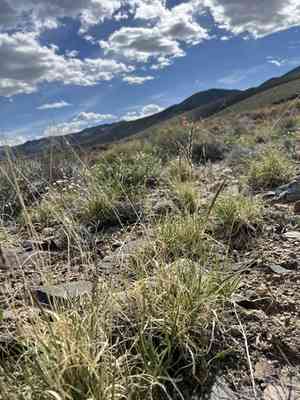
The ideal period for relocating james' galleta spans from mid-spring through its concluding days, capitalizing on the ground's warmth and favorable growing environment. Select a sun-drenched location featuring soil that drains effectively to foster vigorous development.
What Preparations are Needed Before Transplanting James' Galleta?
What is the Ideal Time for Transplanting James' Galleta?
The optimal period for relocating james' galleta occurs during the lively window of mid to late spring. This timeframe provides a combination of favorable temperatures and extended daylight, essential for james' galleta to firmly establish its roots in the new location before the full intensity of summer arrives. Moving james' galleta during this season ensures it benefits from prime soil conditions and moisture levels, increasing its chances for survival and thriving. Embrace this season to give your james' galleta a strong start in its new home!
How Much Space Should You Leave Between James' Galleta Plants?
Before introducing james' galleta to your garden, visualize each plant's placement and allow 6-12 inches (15-30 cm) of separation. This provides ample room for your plants to flourish without becoming overcrowded.
What is the Best Soil Mix for James' Galleta Transplanting?
For james' galleta, prepare your planting area with soil that drains effectively. If possible, incorporate some compost or a balanced, slow-release fertilizer to nourish your plants as they settle into their new environment.
Where Should You Relocate Your James' Galleta?
Select a sunny location for your james' galleta that receives abundant light throughout the day. This will ensure your plant obtains the necessary energy for robust and healthy growth.
What Equipments Should You Prepare Before Transplantation James' Galleta?
Gardening Gloves
To safeguard your hands while handling soil and plants.
Shovel or Spade
For excavating around and beneath the plant's root ball.
Wheelbarrow
To move the james' galleta plant to its new spot without causing damage.
Watering Can or Hose
To hydrate the plant both before and after its relocation.
Pruning Shears
To trim any impaired roots or foliage.
Mulch
To aid in retaining soil moisture around the plant post-transplant.
How Do You Remove James' Galleta from the Soil?
How Do You Remove James' Galleta from the Soil?
From Ground: Thoroughly water the james' galleta plant a day prior to removal to lessen transplant shock. Use a shovel or spade to dig around the plant, ensuring you maintain enough distance to avoid severing vital root systems. Carefully slide the tool under the root ball and gently lift to extract the plant from the ground.From Pot: Water the container thoroughly before transplanting to facilitate removal. Invert the pot, and gently ease the james' galleta out, supporting the root ball with your hand. If it resists, tap the pot's exterior or gently roll it on the ground to loosen the soil.From Seedling Tray: Water the trays well beforehand to ensure soil adheres to the roots. Use a spoon or a dibber to lift the seedling by pushing up from the bottom. Hold the seedling by its leaves, not the delicate stem, to prevent harm.
Step-by-Step Guide for Transplanting James' Galleta
Preparation
Water the james' galleta thoroughly before beginning to make the soil more pliable and reduce plant stress during the move.
Root Ball
Dig a generous and sufficiently deep trench around the james' galleta to safely encompass the entire root ball. The more soil you can keep intact, the better for the plant.
Lifting
Slide the spade beneath the root ball and carefully lift the james' galleta. If possible, keep the plant level to prevent excessive soil from detaching.
Transportation
If you need to move the james' galleta a distance, place it gently into a wheelbarrow, ensuring the root ball is supported and protected from jarring.
Hole Preparation
Excavate a hole in the new location that is twice the width of the root ball and approximately the same depth to allow roots ample space to spread.
Placement
Position the james' galleta into the new hole at the same depth it was previously growing, gently spreading out any clumped roots.
Filling
Backfill the hole with the excavated soil, gently firming it around the roots to eliminate any air pockets, which can dehydrate the roots.
Watering
Water the james' galleta generously immediately after transplanting to help settle the soil and hydrate the roots.
Mulching
Apply a layer of mulch around the plant to conserve moisture and regulate soil temperature, but keep the mulch a few inches away from the stem to prevent rot.
How Do You Care For James' Galleta After Transplanting?
Initial Watering
Water the james' galleta deeply after transplanting and maintain consistently moist soil for several weeks to aid root establishment in its new spot.
Monitoring
Observe the james' galleta for indications of transplant shock, such as wilting, leaf drop, or discoloration, and intervene with shade, wind protection, or adjusted watering if necessary.
Pruning
Trim any damaged roots or foliage using clean pruning shears to prevent disease and encourage healthy new growth.
Support
If the james' galleta appears unstable in its new location, provide a stake or other support to keep it upright until its roots have firmly taken hold.
Long-Term Care
Continue to care for the james' galleta with regular watering, guided by local climate and weather conditions, until it is well established.
Troubleshooting Common Issues with James' Galleta Transplantation.
What's the best time of year to transplant james' galleta?
The ideal transplanting period is mid to late spring, when the soil is warm and manageable.
How far apart should I space james' galleta when transplanting?
Space them 6-12 inches (15-30 cm) apart to allow for growth and proper air circulation.
What soil conditions are best for transplanting james' galleta?
Utilize well-draining soil with moderate fertility. Improve heavy clay or sandy soils by adding organic matter.
How much should I water james' galleta after transplanting?
Water thoroughly after planting, then keep the soil consistently moist but not waterlogged during the establishment phase.
How deep should the planting hole be for james' galleta?
The hole should be as deep as the root ball but twice as wide to promote root expansion.
What sun exposure does james' galleta need after transplanting?
Select a location with full sunlight to partial shade to support healthy growth for james' galleta.
Should I fertilize james' galleta immediately after transplanting?
Delay fertilization until james' galleta exhibits new growth, indicating root establishment.
Can james' galleta be transplanted in containers?
Yes, ensure the container is sufficiently large and has drainage holes to prevent waterlogged soil.
How can I minimize transplant shock in james' galleta?
Reduce root disturbance, water adequately, and provide shade for the initial few days if it's very sunny.
What are signs of successful transplantation of james' galleta?
Indicators of success include new foliage growth and the absence of wilting or yellowing leaves.



