The James' galleta Plant Advantage: Maximizing Home and Office Appeal and Wellness
1
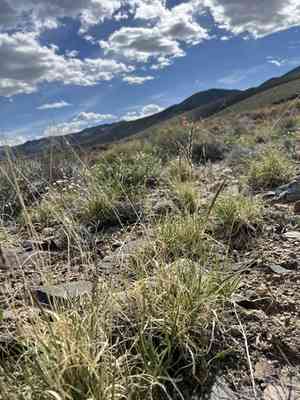
Excellent for preventing soil loss because of its widespread root network.
2
Offers significant dietary benefits for pasturing animals.
3
Thrives in dry and moderately dry climates, making it resistant to water scarcity.
The Importance of Soil Preservation
Counteracting Soil Degradation
Soil degradation presents a significant challenge to agricultural output and environmental well-being. James' galleta plays a crucial role in preventing soil erosion due to its extensive root system, which firmly anchors the soil, thereby minimizing runoff and the loss of sediment. This helps maintain soil fertility and structure, which are vital for plant and crop development.
Improving Ground Quality
Beyond preventing erosion, James' galleta aids in enhancing soil quality by increasing its organic matter content. Its presence in the soil can lead to heightened microbial activity, which is instrumental in nutrient cycling and maintaining soil structure. Healthier soil supports more vigorous plant growth and boosts overall ecosystem productivity.
How James' galleta Benefits Livestock
Nutritional Value for Grazing Animals
Livestock thrive on nutrient-rich forage, and James' galleta is no exception. This plant offers substantial protein content and essential minerals vital for the health and development of grazing animals. Incorporating James' galleta into grazing areas can lead to improved weight gain and better overall health for livestock, directly impacting farm productivity.
Supporting Sustainable Grazing Practices
As a resilient plant capable of enduring arid and semi-arid conditions, James' galleta is well-suited for sustainable grazing methods. Its hardiness ensures that livestock can access quality forage even in less favorable climatic conditions, reducing the need for supplemental feed and thus lowering farming costs and environmental impact.
Why James' galleta is Ideal for Dry Climates
Drought Resistance
James' galleta is highly adapted to flourish under drought conditions, making it an excellent choice for arid and semi-arid regions. Its capacity to sustain growth and provide forage in water-scarce environments ensures it remains a dependable resource throughout the year. This characteristic is particularly valuable for maintaining ecosystem stability in frequently dry landscapes.
Low Upkeep and High Output
One of the notable advantages of James' galleta is its minimal maintenance requirements. Once established, it needs very little water and care, making it a cost-effective option for land managers. Despite its low-maintenance nature, James' galleta consistently delivers high yields in terms of forage, meaning more feed for livestock with less effort and resources expended.
Utilizing James' galleta for Sustainable Agricultural Practices
Integrating James' galleta in Crop Rotation Systems
Incorporating James' galleta into crop rotation systems can enhance soil health and biodiversity. Its deep-rooted nature assists in breaking up compacted soil layers, promoting better water infiltration and root penetration for subsequent crops. This integration not only improves overall soil structure but also reduces reliance on chemical fertilizers.
Enhancing Biodiversity
James' galleta contributes to fostering biodiversity by providing habitat and food sources for various wildlife species. Its dense growth can offer shelter and nesting sites for birds and insects, while also serving as a food resource for herbivores. Enhancing biodiversity in agricultural landscapes supports ecosystem services crucial for long-term sustainability.
Economic Advantages of James' galleta
Reducing Farm Expenses
The robust nature of James' galleta means a reduced need for supplemental feeding and irrigation, translating to lower operational costs for farmers. Additionally, by preventing soil erosion and maintaining soil health, James' galleta can lessen the need for soil amendments and other inputs, further decreasing expenses.
Boosting Farm Productivity
By providing consistent and high-quality forage, James' galleta directly improves livestock productivity, which can lead to increased meat and milk yields. This boost in productivity translates into higher income for farmers and better food security for communities dependent on livestock farming.



