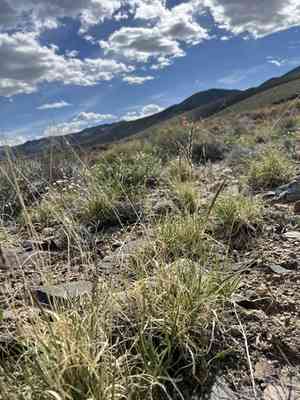
James' galleta (Hilaria jamesii)
Also known as: Galleta, Curly Mesquite
James' galleta (Hilaria jamesii) is a perennial grass reaching up to 61 cm in height. It flourishes in well-drained, dry, rocky, or sandy soils and can tolerate both full sun and partial shade. Known for its clump-forming growth, it reproduces via underground rhizomes. The plant features spikes of brown flowers that eventually produce seeds.
In This Article
Attributes of James' galleta
Lifespan
Perennial
Plant Type
Herb
Plant Height
60 cm
Spread
35 cm
Leaf Color
Green
Flower Size
3 cm to 10 cm
Flower Color
Yellow Green Purple Brown
Images of James' galleta
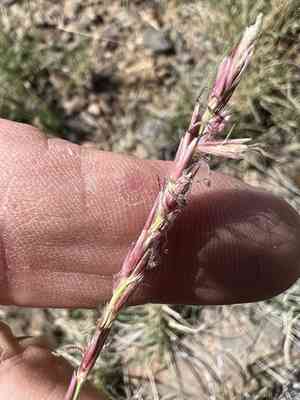
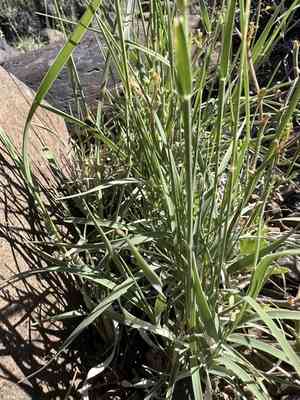
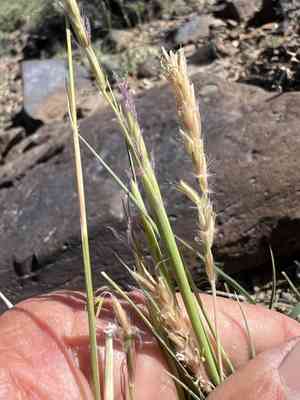
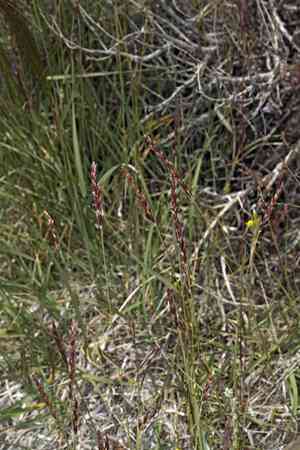
Quickly Identify James' galleta
1
To identify Hilaria jamesii, look for a perennial bunchgrass with long, curly leaves that are about 1-3 mm wide. The inflorescence is a spike-like raceme with small, yellowish-green flowers. It has a distinctive wiry and curly appearance that helps in its identification.
Scientific Classification of James' galleta
Phylum
Vascular plants
Class
Monocotyledons
Order
Poales
Family
Grass
Genus
Curly Mesquite
Species
James' galleta
Planting and Growing of James' galleta
Care Difficulty
Easy
Watering Schedule
Every 2 days
Sunlight Requirements
Full sun
Sunshine Duration
6-10 hours
Ideal Temperature
60-80℉
Soil Type
Potting Mix, Peat Mix
Soil pH
6-8
Fertilizer Type
Balanced
Pruning Season
Spring, Summer
Pruning Area
Branches, Leaves
Pruning Frequency
2 times a year
Repotting Season
Spring
Pot Type
Plastic, Ceramic
 How to Water James' galleta?
The recommended watering amount for Hilaria jamesii is about 250 ml per session. This plant prefers moderate watering that thoroughly moistens the soil but avoids waterlogging. The goal is to keep the soil slightly damp during its active growing season, mimicking its natural environment.
What are the symptoms of an underwatered James' galleta?
›
What should I do if my James' galleta is not getting enough water?
›
What are the symptoms of an overwatered James' galleta?
›
How to save an overwatered James' galleta?
›
 What Are the Sunlight Requirements for James' galleta?
Ideal light range includes full sun with partial sun adaptability. Ensures enhanced growth, resilience, and adaptation to environmental challenges.
More About Sunlight Requirements Techniques→
How much sunlight does Hilaria jamesii need?
›
What are the solutions for achieving ideal lighting?
›
What benefits does optimal lighting bring to Hilaria jamesii?
›
 What Is the Ideal Temperature Range for James' galleta?
The ideal temperature range for growing Hilaria jamesii, commonly known as galleta grass, is between 60°F and 80°F. This temperature range provides the best conditions for plant growth and energy absorption, promoting healthy development of its root and shoot systems.
 What Soil is Best for James' galleta?
Hilaria jamesii thrives best in soils with excellent drainage. This helps in preventing waterlogged conditions, which can lead to root rot and other diseases. Well-draining soil ensures healthy root development and robust growth. This plant prefers moderately fertile soils. It doesn't require highly fertile soil, making it suitable for areas with low nutrient availability. This tolerance for lower nutrient levels allows it to thrive in less optimized environments. A sandy or sandy loam soil texture works best for Hilaria jamesii. Such soils are light and fluffy, promoting good air circulation around the roots, which in turn, fosters better growth and resilience against plant diseases.
 How to Fertilize James' galleta?
When fertilizing Hilaria jamesii, use a balanced liquid fertilizer diluted to half strength. Ensure that you spread about 1 tablespoon of slow-release granular fertilizer per square foot of soil around the plant base. Be cautious not to over-fertilize, which can lead to nutrient run-off and soil imbalances. It's crucial that the nutrient level remains just enough to sustain the plant through its growth cycle without overwhelming it.
 How to Prune James' galleta?
Inspect the plant thoroughly, identifying any shoots or leaves that are dead, discolored, or show signs of disease. Carefully trim these areas first to improve overall plant health before you start shaping the plant for aesthetics. After removing dead material, focus on shaping the plant to encourage a rounded look. Trim back overgrown areas to maintain balance, ensuring that the plant's strength is evenly distributed and sunlight penetration is optimized. After pruning, ensure all clippings are collected and disposed of appropriately. This helps prevent the spread of disease and keeps your garden looking neat. Consider composting healthy green waste to enrich the soil.
More About Pruning Techniques→
 How to Propagate James' galleta plant?
1
Gather mature seeds from the plant at the end of the growing season. Ensure the seeds are fully developed and dry them properly before storage to prevent mold.
2
Prepare seedling trays with a well-draining soil mix and plant the seeds shallowly. Keep the soil consistently moist but not waterlogged to promote germination.
3
Dig up the plant carefully to expose the root system. Using a sharp knife or spade, divide the plant into smaller sections, ensuring each new section has a healthy root and shoot system. Replant the divisions promptly.
 How to Repot James' galleta plant?
1
Look for signs like roots outgrowing the pot or soil compacting frequently. These are clear indicators that the Hilaria jamesii needs a larger living space to thrive. The best time for this is during early spring when the plant is naturally preparing for a growth spurt.
2
Select a pot that is one size larger and has excellent drainage. A properly sized pot ensures optimal root expansion, and adequate drainage prevents waterlogging, which can lead to root rot. The pot material should ideally be breathable, like terracotta.
3
Opt for a sandy and well-draining soil mix. Such a mix mimics the natural habitat of Hilaria jamesii, promoting better aeration and preventing root diseases caused by excessive moisture.



