How to Transplant Spotted hawkweed?
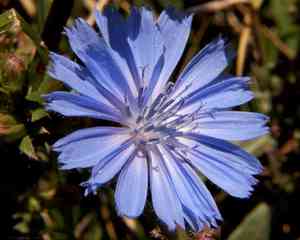
The arrival of balmy, revitalizing early to mid-spring weather provides an ideal environment for transplanting spotted hawkweed, facilitating root development in a bright, adequately drained location. Emphasize rich soil composition to foster vigorous growth after moving.
What Preparations are Needed Before Transplanting Spotted Hawkweed?
What is the Ideal Time for Transplanting Spotted Hawkweed?
The start of the growing season, typically early to mid-spring, offers an excellent opportunity for relocating spotted hawkweed. This period encourages strong root development, essential for summer vigor and flowering. Moving spotted hawkweed at this time ensures the plant benefits from cooler temperatures and sufficient rainfall, crucial for a smooth transition and successful adaptation. This strategic timing aligns with nature's cycle, providing a supportive environment that enhances the resilience and health of spotted hawkweed.
How Much Space Should You Leave Between Spotted Hawkweed Plants?
When moving spotted hawkweed, ensure adequate spacing between individual plants. An optimal distance is approximately 1-2 feet (30-60 cm) apart. This guarantees each plant has ample room to develop and thrive. Avoiding overcrowding also helps to minimize the risk of disease spreading.
What is the Best Soil Mix for Spotted Hawkweed Transplanting?
For spotted hawkweed, prepare a soil type that drains well and contains a good amount of organic material. Before transplanting, enrich the soil with a base of composted manure, which will supply vital nutrients for the plant. This will greatly assist your plant in settling into its new location!
Where Should You Relocate Your Spotted Hawkweed?
Spotted hawkweed thrives in sunny locations with some partial shade. Choose a spot that receives full to moderate sunlight throughout the day. However, also ensure there's a sheltered area where the plant can find relief during the sun's most intense hours. This will help your plant enjoy optimal conditions!
What Equipments Should You Prepare Before Transplantation Spotted Hawkweed?
Gardening Gloves
To safeguard your hands while handling the plant and soil.
Trowel
For excavating the spotted hawkweed from its original spot and aiding in its placement into the new hole.
Watering Can
To irrigate the spotted hawkweed after relocation, assisting in root establishment.
Garden Spade
To dig the new planting site for the spotted hawkweed.
Compost
To enrich the new transplanting location with essential nutrients required for the growth of spotted hawkweed.
How Do You Remove Spotted Hawkweed from the Soil?
How Do You Remove Spotted Hawkweed from the Soil?
From Ground: First, thoroughly and slowly moisten the soil surrounding the spotted hawkweed. Dig around the plant's perimeter using a trowel or garden spade, keeping the root ball intact. Gently lift the plant out of the soil.From a Pot: Water the spotted hawkweed plant until water begins to drain from the bottom. Carefully squeeze or twist the pot to loosen the soil and roots. Tilt the pot and gently extract the plant, being careful not to harm the root structure.From Seedling Tray: Saturate the soil with water and allow it to drain. Using a small trowel or your hand, carefully scoop up the spotted hawkweed seedling, ensuring a substantial amount of soil remains around the roots to minimize disturbance.
Step-by-Step Guide for Transplanting Spotted Hawkweed
Preparation
Ensure all tools are clean to prevent disease spread. Also, confirm the compost is ready to be mixed with the existing soil.
Digging
Use the garden spade to excavate a hole approximately twice as wide and the same depth as the spotted hawkweed's root ball.
Planting
Position spotted hawkweed in the hole and adjust its planting depth. The relocated spotted hawkweed should be planted at the same depth it was growing previously.
Backfill
Refill the hole with the compost-amended soil, gently firming as you go to eliminate air pockets.
Watering
Thoroughly water the spotted hawkweed after planting.
How Do You Care For Spotted Hawkweed After Transplanting?
Monitoring
Regularly inspect the newly transplanted spotted hawkweed for indications of water stress, such as wilted or yellowed foliage.
Weeding
Keep the surrounding area free of weeds, as they compete with spotted hawkweed for moisture and nutrients.
Protection
Utilizing a plant cover like a homemade cloche can offer some defense to the newly transplanted spotted hawkweed against harsh weather conditions.
Watering Schedule
Consistent watering is crucial; ensure you deeply water the spotted hawkweed at least once per week. However, be mindful of over-watering, as it could lead to root rot.
Troubleshooting Common Issues with Spotted Hawkweed Transplantation.
When is the best time to transplant spotted hawkweed?
The optimal time for relocating spotted hawkweed is in S1-S2, when the plant is dormant or just emerging from dormancy.
How much space does spotted hawkweed need to thrive after transplanting?
Spotted hawkweed requires ample space. An appropriate distance between each plant would be about 1-2 feet (30-60 cm) apart.
What's the right depth to plant spotted hawkweed during transplanting?
When transplanting spotted hawkweed, plant it at the same depth it was growing before. The top of the root ball should be level with the soil surface.
What soil conditions does spotted hawkweed prefer for successful transplanting?
Spotted hawkweed is quite adaptable and will tolerate most soil conditions, but it thrives best in well-drained soil.
Do I need to modify the soil before transplanting spotted hawkweed?
Yes, incorporating compost or organic matter can enhance soil structure, aiding the acclimation process for spotted hawkweed after transplanting.
How often should I water spotted hawkweed after transplanting?
Water spotted hawkweed generously immediately after transplanting, and continue this for the first few weeks. Subsequently, spotted hawkweed is quite drought-tolerant and needs less water.
How do I care for spotted hawkweed immediately after transplanting?
Keep spotted hawkweed well-hydrated for several weeks following transplantation. Additionally, applying a layer of mulch around the base can help retain moisture and suppress weeds.
Do I need to amend the soil for spotted hawkweed if I'm in a clay-rich area?
Yes, improving clay soil with organic compost can enhance drainage, which will be beneficial for the successful growth of spotted hawkweed after transplanting.
What signs should I check for ensuring successful transplanting of spotted hawkweed?
A healthy spotted hawkweed displays vigorous growth after transplanting. Look for new shoots and watch out for wilting, yellowing, or insect damage.
Should I fertilize spotted hawkweed after transplanting?
Spotted hawkweed is generally low maintenance and doesn't require much fertilizer. However, an occasional boost with a slow-release, balanced fertilizer can encourage growth.



