How to Prune Spotted hawkweed?
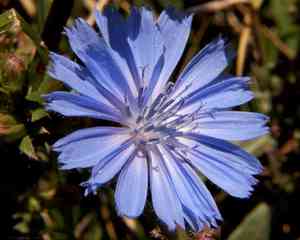
This enduring herbaceous plant is distinguished by its rosette of mottled foliage and groupings of golden blossoms. Trimming spotted hawkweed entails removing faded flowers to encourage additional blooming and inhibit self-propagation, which can be aggressive. Cut back the leaves in early spring to foster robust development. Trimming in late summer subsequent to flowering can aid in preserving its form and vitality. Pruning not only incites fresh growth but also improves the plant's aesthetic and manages its proliferation in cultivated areas.
What Are the Benefits of Pruning Spotted Hawkweed?
What Are the Benefits of Pruning Spotted Hawkweed?
Trimming spotted hawkweed promotes robust development and helps maintain its form. This regular upkeep ensures healthier leaves, improves light penetration and air circulation, and can enhance the plant's overall visual appeal.
What Is the Best Time for Pruning Spotted Hawkweed?
What Is the Best Time for Pruning Spotted Hawkweed?
Pruning spotted hawkweed in spring coincides with the start of its active growth phase, allowing for recovery and strong development after trimming. Early summer pruning is optimal as it occurs post-flowering, preventing seed dispersal and managing its spread. These periods ensure the plant's well-being is maintained while considering bloom times, ensuring that pruning doesn't negatively impact the following year's growth.
What Tools Do I Need to Prune Spotted Hawkweed?
Hand Pruners
These are perfect for clipping off spotted hawkweed's faded flower stalks and slender stems, promoting a tidy look and preventing unwanted seeding. Opt for bypass pruners for clean cuts.
Gardening Gloves
Spotted hawkweed can have somewhat rough foliage, and gloves will safeguard the gardener's hands during the trimming process.
Pruning Saw
If spotted hawkweed has developed any woody stems or is part of a large cluster needing division, a pruning saw can assist in making precise cuts through thicker material.
Long-Handled Loppers
For hard-to-reach stems or for adding leverage on thicker stems, long-handled loppers can provide the extra reach and power needed while offering control and accuracy.
How to Prune Spotted Hawkweed
Disinfect tools
Before beginning the pruning process, sanitize all cutting implements to prevent the transmission of disease to spotted hawkweed or other plants.
Remove diseased parts
Carefully inspect spotted hawkweed and snip off any diseased leaves or stems using sharp shears. Make cuts clean and close to the base of the affected part without harming healthy tissue.
Prune withered leaves
Identify and remove any withered leaves to encourage healthy growth and improve air circulation around spotted hawkweed. Gently pull them away or use shears if necessary, ensuring not to tug and damage the plant structure.
Trim diseased stems
If entire stems are diseased, cut them back to the base or to the nearest healthy side shoot on spotted hawkweed, ensuring a clean angle to promote a healing response.
Cleanup
After pruning spotted hawkweed, gather and dispose of all removed plant material to reduce the chance of disease spreading. Do not compost diseased plant parts.
Common Pruning Mistakes with Spotted Hawkweed
Overpruning
Cutting back spotted hawkweed too severely can stress the plant, leading to reduced vigor and fewer flowers. It is important to prune just enough to maintain the plant's shape and remove dead or diseased foliage.
Improper cut locations
Making cuts too far from a bud or leaf node on spotted hawkweed can result in unsightly dead stubs and possibly disease entry. Conversely, cutting too close can damage the emerging bud.
Using dull tools
Pruning spotted hawkweed with dull tools can cause jagged cuts that are more susceptible to pests and diseases. Clean, sharp pruning shears are essential for a clean cut that heals quickly.
Neglecting sanitation
Not sanitizing tools between cuts, especially when moving between diseased and healthy plants, can spread diseases to spotted hawkweed. It's crucial to regularly clean and disinfect pruning tools.
Ignoring plant health
Failing to take into account the overall health of spotted hawkweed before pruning can lead to detrimental results. Weak or stressed plants may not respond well to pruning and require a gentler approach.
Common Pruning Tips for Spotted Hawkweed
Health check
Examine spotted hawkweed for overall health, including signs of pests or diseases, prior to pruning. Only proceed if the plant is healthy enough to handle the process.
Selective pruning
Focus on removing only the dead or diseased foliage, and spent flowers of spotted hawkweed to encourage new growth without excessively reducing the plant's foliage.
Correct angle
Cut branches of spotted hawkweed at an angle just above a leaf node to encourage proper water runoff and prevent rot while promoting new growth in the desired direction.
Timing around growth
Although the specific season is not to be mentioned, ensure pruning is timed to spotted hawkweed's growth cycles to maximize flowering and plant health.
After flowering care
After spotted hawkweed has flowered, snip off the spent blooms to stimulate new blooms and prevent the plant from putting energy into seed production.
Moderation in pruning
Approach pruning spotted hawkweed with a moderate hand, removing no more than a third of the total growth to maintain plant health and vigor.
Tool maintenance
Keep pruning shears sharp and rust-free. After pruning spotted hawkweed, clean tools thoroughly to ensure they do not transmit diseases to other plants.



