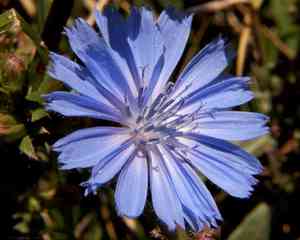
Spotted hawkweed (Hieracium maculatum)
Also known as: Rough hawkweed, Stained-leaf hawkweed
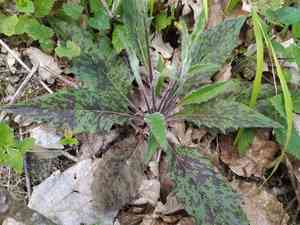
Spotted hawkweed, identified by the purple spots on its leaves, sets itself apart from other Hieracium species. This upright perennial thrives in disturbed areas and is commonly used as an ornamental plant. Its appeal to birds and butterflies, along with its drought tolerance, makes it ideal for rock gardens and edging.
In This Article
Attributes of Spotted hawkweed
Lifespan
Perennial
Plant Type
Herb
Plant Height
15 cm to 25 cm
Spread
25 cm to 30 cm
Leaf Color
Green
Flower Size
2.5 cm
Flower Color
Yellow
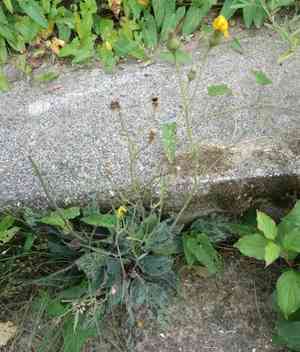
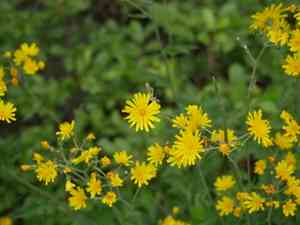
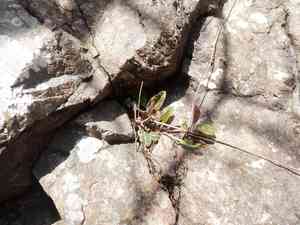
Images of Spotted hawkweed
Quickly Identify Spotted hawkweed
1
To identify Hieracium maculatum, look for its characteristic spotted or blotched leaves. The leaves are generally lanceolate and may have red to purple spots. The plant produces bright yellow, dandelion-like flowers in clusters.
Scientific Classification of Spotted hawkweed
Phylum
Vascular plants
Class
Dicotyledons
Order
Asterales
Family
Daisy
Genus
Hawkweeds
Species
Spotted hawkweed
Planting and Growing of Spotted hawkweed
Care Difficulty
Easy
Watering Schedule
Every 2 days
Sunlight Requirements
Full sun
Sunshine Duration
6-10 hours
Ideal Temperature
60-75℉
Soil Type
Potting Mix, Peat Mix
Soil pH
6.5-7.5
Fertilizer Type
Balanced
Pruning Season
Spring, Summer
Pruning Area
Branches, Leaves
Pruning Frequency
2 times a year
Repotting Season
Spring
Pot Type
Plastic, Ceramic
 How to Water Spotted hawkweed?
Hieracium maculatum requires a moderate amount of water, approximately 150 ml per watering. The soil should be moist but not soggy, ensuring that excess water drains properly to prevent root rot.
What are the symptoms of an underwatered Spotted hawkweed?
›
What should I do if my Spotted hawkweed is not getting enough water?
›
What are the symptoms of an overwatered Spotted hawkweed?
›
How to save an overwatered Spotted hawkweed?
›
 What Are the Sunlight Requirements for Spotted hawkweed?
Hieracium maculatum ideally thrives in full sun to partial sun conditions. Adequate light promotes vigorous growth, abundant flowering, and fortifies the plant's defenses against environmental stressors.
More About Sunlight Requirements Techniques→
How to Help Hieracium maculatum Thrive in Full Sun?
›
What Steps to Take If My Plant Is Not Getting Enough Light?
›
How Does Ideal Lighting Impact Hieracium maculatum?
›
 What Is the Ideal Temperature Range for Spotted hawkweed?
What is the ideal temperature range for cultivating Hieracium maculatum? The ideal temperature range for this plant is between 60°F and 75°F. This range allows the plant to thrive, promoting optimal growth and flowering. It helps maintain the plant's physiological processes at their peak efficiency, ensuring vibrant foliage and robust health.
 What Soil is Best for Spotted hawkweed?
Hieracium maculatum thrives in well-drained soil as it prevents root rot and ensures healthy plant growth. Good drainage allows for better aeration and nutrient uptake, vital for this plant's vitality. Providing nutrient-rich soil ensures that Hieracium maculatum receives essential minerals for growth. A fertile soil supports robust foliage and more vigorous plant structure, key for its ornamental value. While this plant prefers well-drained conditions, a moderate level of moisture retention is necessary to sustain it during drier periods. This balance helps maintain consistent growth without stress from drought.
 How to Fertilize Spotted hawkweed?
For Hieracium maculatum, it's essential to use a balanced fertilizer. When using liquid fertilizer, apply about 1/4 strength of the recommended dose by the manufacturer. For slow-release granular fertilizers, use approximately 1 tablespoon per gallon of soil once every four months. This ensures the plant gets the necessary nutrients without being overwhelmed.
 How to Prune Spotted hawkweed?
Begin by using sharp, clean pruning shears to cut back the stems to about half their length. Focus on removing dead or damaged parts first, as this stimulates new growth and prevents disease spread. Ensure you make clean, angled cuts near a node to encourage fuller growth. Remove any flower stalks that have finished blooming to promote more blooms and a robust appearance. Always prune just above a set of healthy leaves to avoid leaving bare stems.
More About Pruning Techniques→
 How to Propagate Spotted hawkweed plant?
1
Gather mature seeds from dry flower heads. Ensure the seeds are fully developed and dry to avoid mold during storage or sowing.
2
Select healthy stems and cut them at a length of about 4-6 inches. Remove the lower leaves to prevent rot when inserted into the soil.
3
Place seeds in pre-moistened soil in seedling trays. Cover lightly with soil and keep them under indirect sunlight to promote germination.
 How to Repot Spotted hawkweed plant?
1
Repot Hieracium maculatum when it shows signs like roots circling the pot, stunted growth, or soil drying out too quickly. These signals indicate that the plant has outgrown its current container and requires more space and fresh nutrients.
2
Select a pot that is 1-2 inches larger in diameter than the current one and has adequate drainage holes. This prevents water accumulation, which can lead to root rot, and provides just enough room for healthy root expansion.
3
Opt for well-draining soil, such as a cactus mix or a mixture with perlite and peat. This ensures good aeration and prevents compaction around the roots, allowing them to breathe and thrive without retaining excess moisture.
Learn More About Spotted hawkweed Diseases
Anthracnose
Bacterial Leaf Spot
Bacterial Soft Rot
Bacterial Wilt
Black Spot
Chemical Injury
Crown Gall
Cyst Nematode
Damping-off
Downy Mildew
Drought Stress
Fusarium Wilt
Gray Mold
Leaf Curl
Leaf Spot
Mosaic
Nutrient Deficiency
Nutrient Toxicity
Powdery Mildew
Root Rot
Root-knot Nematode
Rusts
Sooty Mold
Spider Mites
Temperature Stress
Thrips Damage
White Mold



