How to Transplant Common hawkweed?
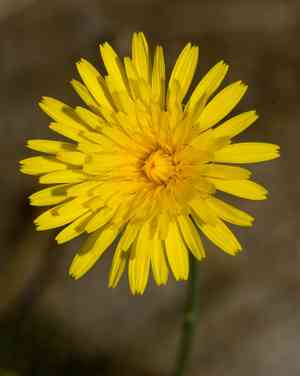
The optimal window for relocating common hawkweed extends from the initial burst of growth in early spring until the peak vitality of late spring. Select a brightly lit area featuring soil that drains effectively to cater to common hawkweed's requirements, and carefully move it to reduce stress on its root system.
What Preparations are Needed Before Transplanting Common Hawkweed?
What is the Ideal Time for Transplanting Common Hawkweed?
The optimal period for relocating common hawkweed outdoors spans from early spring's thaw through late spring's lengthening days. Moving common hawkweed during this timeframe ensures a smooth transition, thanks to mild temperatures and consistent moisture, both vital for root development. This timing also allows common hawkweed to acclimate to its new site before summer's heat intensifies, promoting a vigorous growth season ahead.
How Much Space Should You Leave Between Common Hawkweed Plants?
Hello, gardening enthusiast! You'll want to provide your common hawkweed ample room to thrive. Position them approximately 6-12 inches (15-30 cm) apart. This spacing allows them sufficient area to spread and develop robustly without competing for nutrients.
What is the Best Soil Mix for Common Hawkweed Transplanting?
For your common hawkweed, a rich, well-draining loam soil will be absolutely perfect. Prior to planting, incorporate some compost or a balanced, slow-release fertilizer to give your common hawkweed a nourishing start. They will appreciate it!
Where Should You Relocate Your Common Hawkweed?
Your common hawkweed thrives in bright sunshine! Select a garden spot that receives partial to full sun. This means an area that gets direct sunlight for at least 4-6 hours daily. It will help your common hawkweed radiate with vitality!
What Equipments Should You Prepare Before Transplantation Common Hawkweed?
Gardening Gloves
To safeguard your hands while handling soil and plants.
Shovel or Spade
For excavating and carefully lifting the plant.
Watering Can
To hydrate the plant before and after its relocation.
Pruning Shears
To trim any damaged roots or foliage prior to transplanting.
Garden Trowel
For creating a hole in the ground to accommodate the root ball.
Wheelbarrow or Garden Cart
For moving the plant if it is large or if there are multiple specimens.
Organic Mulch
To apply around the base of common hawkweed after transplanting to retain moisture and suppress weeds.
How Do You Remove Common Hawkweed from the Soil?
How Do You Remove Common Hawkweed from the Soil?
From Ground: First, moisten the common hawkweed plant to dampen the soil. Next, excavate a wide trench around the plant using a shovel or spade, ensuring the plant's root ball remains intact. Carefully work the spade beneath the root ball to lift the plant from its original position.From Pot: Begin by watering the common hawkweed to make the soil moist, which will facilitate extraction. Turn the pot on its side and gently tap to loosen the root ball. Grasp the plant at its base and carefully ease it free.From Seedling Tray: Water the seedling tray to moisten the soil. Use a garden trowel or your fingers to gently loosen the soil surrounding the seedling. Carefully lift the common hawkweed out by holding it by the leaves, not the delicate stem.
Step-by-Step Guide for Transplanting Common Hawkweed
Understanding Root Ball
Assess the size of the common hawkweed's root ball to determine the required dimensions for the new hole in the garden soil. This ensures the plant has adequate space for root establishment without overcrowding or stress, which is crucial for new gardeners who may not instinctively know the space a root ball needs. Preserve as much of the root system as possible to facilitate a smooth transition and minimize shock to common hawkweed. This is a vital step for successful transplanting and the plant's future health.
Digging The Hole
Using a garden trowel, dig a hole in the ground that is twice as wide and the same depth as the root ball. Gentle handling will prevent root damage and ensure common hawkweed fits comfortably in its new location. It is important not to make the hole too deep or too shallow, as this could stress common hawkweed and impact its ability to thrive after transplanting.
Placing The Plant
Gently position common hawkweed in the center of the prepared hole. Ensuring the top of the root ball is level with the surrounding ground helps common hawkweed remain upright and allows it to better adapt to its new environment. Planting the specimen at the correct depth is essential for proper root establishment and overall vitality.
Filling The Hole
Carefully backfill around common hawkweed with soil, lightly firming it down as you proceed to eliminate any air pockets. Air pockets can dry out roots and hinder common hawkweed's ability to establish itself in its new setting. Utilizing soil previously amended with compost provides common hawkweed with a nutritious start without overwhelming it with fertilizers.
Watering Thoroughly
Water common hawkweed gently but deeply immediately after transplanting. Watering is essential, as it helps settle the soil around the roots and provides the necessary hydration for common hawkweed to begin recovering from transplanting stress.
Applying Mulch
Spread a layer of organic mulch around the base of common hawkweed, being careful not to pile it against the stem or foliage. Mulching conserves moisture, moderates soil temperature, and reduces weed competition. This creates a more favorable environment for common hawkweed to flourish post-transplant.
How Do You Care For Common Hawkweed After Transplanting?
Monitoring
Regularly check the soil moisture to ensure common hawkweed does not dry out, especially during the initial weeks following transplant. Consistent observation and minor care adjustments can prevent issues and promote quicker establishment in the new setting.
Protecting
Employ a windbreak or shade cloth to shield common hawkweed if conditions are too harsh after transplanting, such as extreme wind or unexpected heat, to alleviate stress on the plant while it remains vulnerable.
Supporting
Stake common hawkweed if it's in a windy area or if it shows signs of leaning. Proper support helps prevent root disturbance and physical damage while common hawkweed is still anchoring itself into the ground.
Pruning
Trim away any damaged or dead leaves and stems to help common hawkweed focus its energy on establishing its root system rather than repairing compromised tissue. Pruning must be approached with care to avoid overdoing it and further stressing common hawkweed.
Troubleshooting Common Issues with Common Hawkweed Transplantation.
What's the best time to transplant common hawkweed?
Transplant common hawkweed when it's budding, in early to late spring, for optimal root establishment.
How much space does common hawkweed need when transplanting?
Space common hawkweed about 6-12 inches (15-30 cm) apart to give them room to spread and grow.
Why are my transplanted common hawkweed wilting post-transplant?
Wilting after transplanting can occur due to root shock. Regular watering without waterlogging will help them recover.
How deep should I plant common hawkweed in the new location?
Plant common hawkweed at the same depth they were grown at previously to prevent root stress.
What soil conditions favor common hawkweed transplantation?
Well-drained, fertile soil with a mix of organic matter supports common hawkweed's growth after transplanting.
How do I know if common hawkweed needs watering after transplanting?
Check the top inch (2.5 cm) of soil. If dry, it's time to water common hawkweed.
Can I transplant common hawkweed during a hot day?
Transplant common hawkweed on a cooler, overcast day to reduce transplant shock and water loss.
Should I prune common hawkweed before transplanting?
Light pruning is beneficial; it reduces strain on the roots as they re-establish.
What should I do if my common hawkweed doesn't flower post-transplant?
Be patient; common hawkweed may skip blooming as it focuses on root and foliage growth after transplanting.
How to protect common hawkweed from pests after transplanting?
Regular monitoring and prompt removal of visible pests can help protect common hawkweed as they settle in.



