How to Prune Common hawkweed?
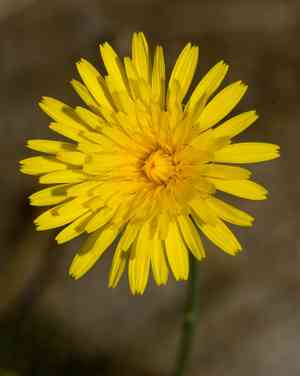
This enduring weed displays vibrant yellow floral groupings. Regarding common hawkweed, sever withered flower stalks to inhibit self-propagation and stimulate additional blossoms. Perform pruning in the spring or early summer, coinciding with its periods of vigorous development. Reducing the density of its leaves can diminish areas for pests and enhance air movement. Trimming provides the benefit of managing its proliferation, which can be advantageous for preserving garden beauty and ecological variety.
What Are the Benefits of Pruning Common Hawkweed?
What Are the Benefits of Pruning Common Hawkweed?
Trimming common hawkweed promotes robust development and preserves its desired form. It enhances light exposure and air movement, fostering a healthier plant less prone to illness.
What Is the Best Time for Pruning Common Hawkweed?
What Is the Best Time for Pruning Common Hawkweed?
Pruning common hawkweed from late spring to early summer is advised to ensure vigorous growth and prevent seed dispersal, which could lead to unwanted spread. This period coincides with common hawkweed's post-flowering stage, allowing gardeners to cut back spent stems and encourage a second bloom or at least manage its proliferation. Trimming in late spring also gives common hawkweed an opportunity to recover during the active growing season, ensuring the plant's health and vitality. Avoid pruning in late summer to early fall, as this might stimulate new growth vulnerable to frost damage as temperatures drop.
What Tools Do I Need to Prune Common Hawkweed?
Hand Pruners
Suitable for snipping off faded flower heads and slender stems. Choose bypass pruners for their clean cuts that aid in healing.
Gardening Gloves
Essential for protection against the plant's potentially irritating sap.
Garden Shears
Perfect for shaping and controlling common hawkweed's spread, as they allow for rapid cuts over a larger area.
How to Prune Common Hawkweed
Disinfect tools
Before beginning the trimming process, sanitize all cutting implements to prevent the transmission of diseases to common hawkweed.
Remove diseased leaves
Carefully cut away diseased leaves from common hawkweed, using sharp scissors or pruners to make clean cuts without tearing.
Remove withered leaves
Identify and trim off any dried-up leaves from common hawkweed to maintain plant health and appearance, cutting as close to the base of the leaf stem as possible.
Remove diseased stems
Examine common hawkweed for any diseased stems and cut them back to the nearest healthy node or main stem, ensuring a precise angled cut that avoids damage to the remaining healthy tissue.
Clean up
After pruning common hawkweed, clear all debris from the area to reduce the risk of future disease and pest issues.
Common Pruning Mistakes with Common Hawkweed
Overpruning
Removing excessive foliage from common hawkweed can weaken the plant, diminishing its vigor and flowering capacity. Aim to remove only necessary parts to maintain plant health and appearance.
Incorrect cutting
Cutting common hawkweed in the wrong spot can harm stems and leaves, making the plant more susceptible to disease. Ensure cuts are made just above leaf nodes or branching points.
Leaving stubs
Leaving stubs after pruning common hawkweed can result in unnecessary wounds that may attract pests and diseases. Make clean cuts close to the main stem without leaving any excess wood.
Pruning healthy growth
Unnecessarily cutting away healthy growth of common hawkweed can impede its ability to thrive. Focus pruning efforts on dead or diseased foliage and spent flowers to direct the plant's energy into new growth.
Disregarding plant shape
Pruning common hawkweed without considering its natural form can result in an unattractive appearance. Aim to maintain its natural shape when pruning for aesthetic purposes.
Common Pruning Tips for Common Hawkweed
Sanitize tools
Always use sterilized tools when pruning common hawkweed to prevent disease spread. Disinfect pruners between cuts, especially when dealing with diseased plant material.
Deadheading
Regularly remove spent flowers of common hawkweed to encourage continuous blooming throughout the growing season. Snip the flower stems back to the base or to a new lateral bud.
Removal of debris
After pruning common hawkweed, promptly remove all trimmed debris from the area to minimize the risk of pests and diseases that might linger on dead plant material.
Thinning
Thin out crowded areas of common hawkweed to ensure adequate air circulation, which helps prevent fungal diseases. Remove selected stems from crowded clusters by cutting them at the base.
Garden hygiene
Maintain good garden hygiene around common hawkweed by regularly removing weeds and any organic waste that could attract pests or cause disease. This complements the pruning process and promotes a healthier plant.



