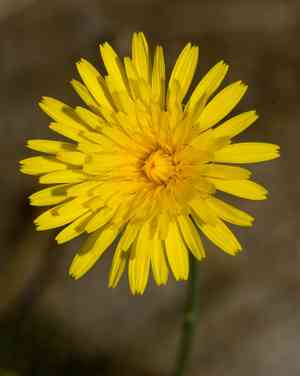
Common hawkweed (Hieracium lachenalii)
Also known as: Common Hawkweed, European Hawkweed
*Hieracium lachenalii*, or common hawkweed, belongs to the sunflower family and is native to Europe. It is related to prickly lettuce and dandelions and is also referred to as Greenland hawkweed, yellow hawkweed, rattlesnake weed, and golden lungwort.
In This Article
Attributes of Common hawkweed
Lifespan
Perennial
Plant Type
Herb
Plant Height
10 cm to 90 cm
Spread
N/A
Leaf Color
Green
Flower Size
2.5 cm to 3.5 cm
Flower Color
Yellow
Images of Common hawkweed
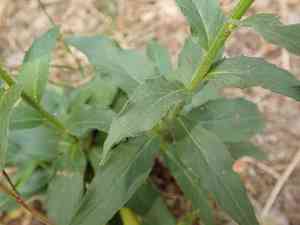
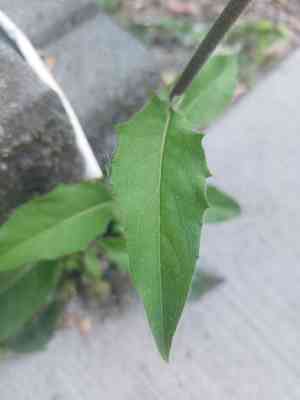
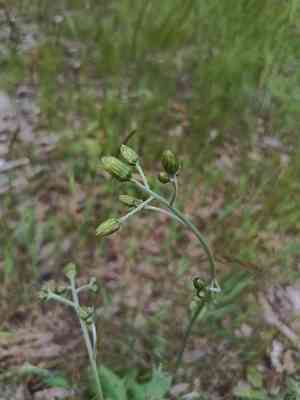
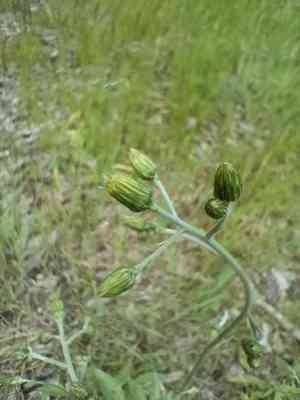
Quickly Identify Common hawkweed
1
Hieracium lachenalii can be identified by its erect stems, lanceolate to linear leaves, and yellow flower heads. The stems are often hairy and the leaves are typically covered in tiny hairs.
Scientific Classification of Common hawkweed
Phylum
Vascular plants
Class
Dicotyledons
Order
Asterales
Family
Daisy
Genus
Hawkweeds
Species
Common hawkweed
Planting and Growing of Common hawkweed
Care Difficulty
Easy
Watering Schedule
Every 2 days
Sunlight Requirements
Full sun
Sunshine Duration
4-6 hours
Ideal Temperature
60-75℉
Soil Type
Potting Mix, Peat Mix
Soil pH
6.5-7.5
Fertilizer Type
Balanced
Pruning Season
Spring, Summer
Pruning Area
Branches, Leaves
Pruning Frequency
2 times a year
Repotting Season
Spring
Pot Type
Plastic, Terracotta
 How to Water Common hawkweed?
Ensure the soil around Hieracium lachenalii is moist but not waterlogged. Use approximately 150 milliliters of water each time, keeping the soil evenly moist without causing standing water.
What are the symptoms of an underwatered Common hawkweed?
›
What should I do if my Common hawkweed is not getting enough water?
›
What are the symptoms of an overwatered Common hawkweed?
›
How to save an overwatered Common hawkweed?
›
 What Are the Sunlight Requirements for Common hawkweed?
For optimal growth, provide Hieracium lachenalii with partial to full sunlight, which compels photosynthesis, resulting in robust growth and blooms. Balanced light exposure helps maintain its lively foliage.
How much sunlight does Hieracium lachenalii need?
›
What is the ideal setup for Hieracium lachenalii to receive this light?
›
How does proper lighting benefit Hieracium lachenalii?
›
 What Is the Ideal Temperature Range for Common hawkweed?
What are the ideal temperature conditions for growing Hieracium lachenalii?
The ideal temperature range for growing Hieracium lachenalii is between 60°F and 75°F. This range ensures optimal growth and development, providing the plant with the warmth it needs without risking heat stress.
The ideal temperature range for growing Hieracium lachenalii is between 60°F and 75°F. This range ensures optimal growth and development, providing the plant with the warmth it needs without risking heat stress.
 What Soil is Best for Common hawkweed?
Hieracium lachenalii thrives in well-draining soils, which is crucial for preventing root waterlogging. This type of soil allows excess water to flow away, ensuring roots get the necessary oxygen and reducing the risk of rot. While not overly demanding, this plant enjoys soils with a moderate nutrient content. Such soils provide balanced fertility that supports healthy growth and vibrant flowering without leading to aggressive weed competition. Hieracium lachenalii can tolerate slightly alkaline soils, making them adaptable to calcareous conditions that are less favorable for some species, thus reducing competition and providing a stable environment.
 How to Fertilize Common hawkweed?
For Hieracium lachenalii, a balanced fertilizer with an NPK ratio of 10-10-10 is recommended. When using liquid fertilizers, dilute it to half strength to avoid over-fertilization. For slow-release fertilizers, apply according to the manufacturer's instructions, typically around 1 tablespoon per square foot.
 How to Prune Common hawkweed?
Start by inspecting the plant for any dead or damaged leaves. Use your pruning shears to carefully cut these away from the base. Removing these parts will encourage new growth and improve plant appearance. Visualize the shape you want your Hieracium lachenalii to have and trim accordingly. Focus on achieving a balanced look, which allows for proper airflow through the plant, promoting better health. By strategically cutting back some branches, you stimulate the plant to produce new buds. Cut just above the node to encourage the production of lateral shoots. This not only improves bushiness but also enhances flowering potential.
More About Pruning Techniques→
 How to Propagate Common hawkweed plant?
1
Collect seeds from mature plants after flowering in late summer. Clean and dry them thoroughly before storing them in a cool place until early spring for planting.
2
Select a well-draining soil mix rich in organic matter. If outdoors, prepare the garden bed by loosening the soil and removing any weeds to encourage healthy root growth.
3
Sow seeds evenly across the prepared soil, lightly covering them with a thin layer of soil. Water gently to settle the soil and maintain consistent moisture, but avoid waterlogging.
 How to Repot Common hawkweed plant?
1
Repotting Hieracium lachenalii should occur when you see roots encircling inside the pot or protruding from the drainage holes. Additionally, if the plant appears to be stunted despite regular care or if you've noticed that water seems to evaporate quickly after watering, these are indicators that it's time for a new pot.
2
Choose a pot that is one size bigger than the current pot, allowing extra room for root growth without drowning the plant in excess soil. Ensure it has good drainage holes to prevent waterlogged conditions, helping the plant develop a healthy root system essential for robust growth.
3
Select a well-draining potting mix, ideally one containing sand or perlite. This mixture allows air circulation around the roots and prevents the roots from sitting in water. Good drainage helps simulate the Hieracium lachenalii's natural environment and guards against potential root rot.
Learn More About Common hawkweed Diseases
Anthracnose
Bacterial Leaf Spot
Bacterial Soft Rot
Bacterial Wilt
Chemical Injury
Crown Gall
Cyst Nematode
Damping-off
Downy Mildew
Drought Stress
Fusarium Wilt
Gray Mold
Leaf Curl
Leaf Spot
Mosaic
Nutrient Deficiency
Nutrient Toxicity
Powdery Mildew
Root Rot
Root-knot Nematode
Rusts
Sooty Mold
Spider Mites
Temperature Stress
Thrips Damage
White Mold



