How to Transplant Desert rosemallow?
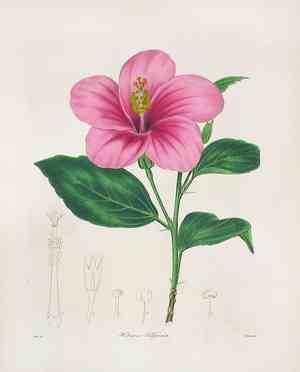
Relocate desert rosemallow once the late spring warmth permeates the atmosphere, transitioning into the mild hold of early summer. Choose a bright location featuring soil that drains effectively. If necessary, enrich the soil to enhance water regulation, guaranteeing the desert rosemallow's prosperous establishment.
What Preparations are Needed Before Transplanting Desert Rosemallow?
What is the Ideal Time for Transplanting Desert Rosemallow?
The perfect time to move desert rosemallow is at the start of warm weather, typically from late spring through early summer. Relocating desert rosemallow during this period takes advantage of moderate temperatures and stable conditions, providing an ideal window for roots to establish with minimal stress. This phase offers significant growth potential, allowing your desert rosemallow to thrive in its new spot.
How Much Space Should You Leave Between Desert Rosemallow Plants?
Allow your desert rosemallows ample space to grow! Aim for a comfortable distance of 2-3 feet (60-90 cm) between each plant. This personal area will prevent overcrowding, ensuring sufficient room for proper development.
What is the Best Soil Mix for Desert Rosemallow Transplanting?
Your desert rosemallows will flourish in well-draining soil that feels like a comfortable bed! Incorporate a mild, all-purpose fertilizer into the soil to give them a nutritious start. Consider it a hearty breakfast for your green companions!
Where Should You Relocate Your Desert Rosemallow?
Choose a sunny location for your desert rosemallows, where they will receive at least 6 hours of sunlight daily. This is like selecting the perfect sunny vacation spot, but for your plants, to help them shine and bloom!
What Equipments Should You Prepare Before Transplantation Desert Rosemallow?
Gardening Gloves
To safeguard your hands while handling soil and the desert rosemallow plant.
Shovel or Spade
For excavating the plant and preparing the new planting site.
Pruning Shears
To trim any dead or damaged roots or foliage.
Watering Can or Hose
For hydrating the desert rosemallow before and after relocation.
Garden Trowel
For managing smaller roots or working in confined areas.
Wheelbarrow or Garden Cart
To transport the desert rosemallow and soil.
Mulch
To aid in moisture retention and regulate soil temperature after transplant.
Measuring Tape
To assist in properly spacing out the plants.
How Do You Remove Desert Rosemallow from the Soil?
How Do You Remove Desert Rosemallow from the Soil?
From Ground: First, water the desert rosemallow to ensure the soil is damp, which facilitates removal. Carefully dig around the plant in a wide circle to avoid harming the root system, then gently lift it with the shovel or spade, keeping the root ball intact.From Pot: Water the desert rosemallow, then turn the pot on its side and gently tap to loosen the soil. Carefully pull the desert rosemallow by its base and gently wiggle it out, preserving the root ball's shape.From Seedling Tray: Water the seedling tray to simplify removal. Use a garden trowel or your fingers to lift the desert rosemallow from the tray, taking care not to damage the roots or stem.
Step-by-Step Guide for Transplanting Desert Rosemallow
Hole Preparation
Dig a hole in the ground twice the width of the root ball and the same depth to ensure the desert rosemallow is planted at its previous growing level.
Root Ball Inspection
Examine the desert rosemallow's root ball for any damaged roots and use pruning shears to trim them cleanly.
Placing the Plant
Position the desert rosemallow in the center of the hole. Gently spread out the roots if they are clustered to encourage outward growth.
Soil Refill
Backfill the hole with soil, gently tamping down around the base of the desert rosemallow to eliminate any air pockets.
Water Thoroughly
Immediately after planting, water the desert rosemallow generously to help settle the soil and provide moisture for the roots.
Apply Mulch
Spread mulch around the base of the desert rosemallow to conserve moisture and regulate soil temperature.
How Do You Care For Desert Rosemallow After Transplanting?
Initial Watering
Water the desert rosemallow generously immediately after transplanting and keep the soil consistently moist for several weeks.
Mulch
Maintain a layer of mulch around the desert rosemallow to assist with moisture retention and reduce temperature fluctuations.
Pruning
Remove any dead or damaged foliage to encourage the desert rosemallow to direct energy into new growth.
Monitoring
Regularly inspect the desert rosemallow for signs of stress, such as wilting or discoloration, and intervene if necessary.
Troubleshooting Common Issues with Desert Rosemallow Transplantation.
What's the optimal time of year to transplant desert rosemallow?
The best period for transplanting desert rosemallow is from late spring until the beginning of summer.
How much space does desert rosemallow require when transplanting?
Desert rosemallow thrives with adequate room, so aim for a spacing of 2-3 feet (60-90 cm) between plants.
What soil conditions best suit desert rosemallow during transplanting?
Desert rosemallow prefers well-draining soil rich in organic matter. Ensure the new location replicates these conditions.
Can I transplant desert rosemallow during hot weather?
It's advisable to avoid the hottest part of summer; transplant desert rosemallow when temperatures are milder.
How deep should I plant desert rosemallow when transplanting?
The root ball of desert rosemallow should be level with the soil surface, ensuring roots are covered but not excessively deep.
How often should I water desert rosemallow after transplanting?
Water generously right after transplanting and keep the soil moist for a few weeks to help desert rosemallow settle in.
Should I fertilize desert rosemallow after transplanting?
Wait a few weeks before fertilizing to allow desert rosemallow to establish; then use a balanced fertilizer as directed.
How do I handle desert rosemallow's roots when transplanting?
Gently untangle the roots of desert rosemallow to promote spreading and remove any damaged roots before planting.
What signs indicate transplant shock in desert rosemallow?
Wilting, yellowing leaves, or stunted growth in desert rosemallow may suggest transplant shock; ensure optimal care and conditions.
How can I protect desert rosemallow after transplanting?
Initially shield desert rosemallow from strong winds and intense sun. Use a shade cloth if needed to prevent stress.



