How to Prune Desert rosemallow?
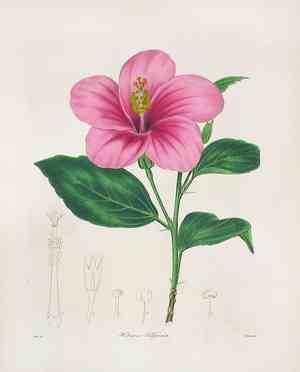
A hardy desert species, desert rosemallow displays sizable yellow flowers and grayish-green leaves. Trim in early spring or late winter to preserve its form and foster abundant flowering. Eliminate deceased or injured stems and aged growth to stimulate fresh, robust development. Trimming additionally prevents excessive density, which aids the plant's general well-being. Reducing inner branches improves air movement, discouraging infestations and ailments. Consistent, moderate trimming, as opposed to drastic cutting, guarantees a strong, bloom-rich desert rosemallow.
What Are the Benefits of Pruning Desert Rosemallow?
What Are the Benefits of Pruning Desert Rosemallow?
Trimming desert rosemallow promotes robust development and maintains its desired form. Eliminating dead or congested branches enhances air circulation, lowering disease risk and fostering stronger, more resilient growth. Pruning also stimulates new blooms, ensuring desert rosemallow remains aesthetically pleasing.
What Is the Best Time for Pruning Desert Rosemallow?
What Is the Best Time for Pruning Desert Rosemallow?
Late winter and early spring are the ideal periods for pruning desert rosemallow, as these times precede the plant's active growth cycle, which typically starts in spring. Pruning during this dormant phase minimizes stress on desert rosemallow, allowing it to direct energy towards healing and producing new growth once the growing season commences. Trimming in late winter can help remove any frost damage and shape the plant before it begins to leaf out, while an early spring prune is perfect for ensuring healthy bud development. Additionally, cutting back desert rosemallow during these times reduces the likelihood of disease infection, as many pathogens are less active in cooler temperatures. Since desert rosemallow flowers on new growth, pruning at this point enhances the plant's opportunity to produce abundant blooms in the upcoming season.
What Tools Do I Need to Prune Desert Rosemallow?
Hand Pruners
Desert rosemallow possesses tender stems that are generally not very thick. Therefore, hand pruners are perfect for making clean cuts on stems up to half an inch in diameter, which encourages healthy regrowth.
Bypass Pruners
For desert rosemallow, bypass pruners are particularly suitable because they create a clean cut without crushing the plant's delicate tissues. They operate like scissors, with two curved blades that glide past each other.
Pruning Saw
If desert rosemallow has developed any thicker branches exceeding half an inch in diameter, a small pruning saw can be utilized. Its fine-toothed blade is perfect for making precise cuts on larger stems without harming the surrounding plant tissue.
Long-Handled Loppers
When trimming hard-to-reach areas or for providing leverage when cutting slightly thicker branches, long-handled loppers can be advantageous. They can cut stems up to 1.5 inches in diameter and help maintain the shape of desert rosemallow.
Sharp Clean Shears
To ensure the health of desert rosemallow during pruning, always use sharp and clean shears. This helps prevent disease and infection from spreading to the cut areas. After each use, clean the tools to maintain their effectiveness and hygiene.
How to Prune Desert Rosemallow
Sanitize
Sterilize pruning tools with a solution of one part bleach to nine parts water to prevent the spread of disease while trimming desert rosemallow.
Remove diseased parts
Carefully cut away diseased leaves and branches of desert rosemallow, making sure to trim back to healthy tissue to prevent infection from spreading.
Trim withered leaves
Trim withered leaves from desert rosemallow to improve air circulation and promote healthy growth, avoiding damage to nearby buds or stems.
Cut dead branches
Remove dead branches from desert rosemallow by cutting at a 45-degree angle just above a node or bud to encourage new growth and maintain the plant's shape.
Dispose
Dispose of all removed material from desert rosemallow properly, away from the plant, to reduce the risk of disease reinfection.
Common Pruning Mistakes with Desert Rosemallow
Over-pruning
Removing too much growth at once can stress desert rosemallow, leading to poor health and reduced flowering.
Improper Tool Use
Desert rosemallow require sharp and clean pruning tools. Using dull or dirty tools can result in jagged cuts and introduce disease.
Pruning Healthy Wood
Cutting away healthy, flowering wood can decrease the number of blooms. Gardeners should target dead or diseased wood, and overly dense growth instead.
Neglecting Shape
Failing to consider the natural shape of desert rosemallow may result in an unattractive and unbalanced plant post-pruning.
Tearing Stems
Gardeners sometimes accidentally tear stems by cutting at improper angles, which can harm desert rosemallow's overall health.
Common Pruning Tips for Desert Rosemallow
Selective Pruning
Focus on removing only the dead, diseased, or overly crowded branches to promote better air circulation and light penetration for desert rosemallow.
Angled Cuts
Make clean cuts at a 45-degree angle about 1/4 inch above a bud facing the outside of desert rosemallow to encourage outward growth.
Hygiene
Sterilize tools before and after pruning desert rosemallow to prevent the spread of disease.
Incremental Pruning
Prune gradually, especially when shaping desert rosemallow, to avoid accidentally removing too much foliage.
Post-Bloom Pruning
After desert rosemallow has finished blooming, prune to shape the plant and remove spent flowers, encouraging a second wave of blooms.



