
Desert rosemallow (Hibiscus coulteri)
Also known as: Desert Rose Mallow, Coulter's Hibiscus
The Hibiscus coulteri, commonly referred to as Desert Rose Mallow, primarily hails from the southwestern United States and northern Mexico. While it is not native to Hawaii, it is admired for its attractive flowers and often cultivated as an ornamental plant.
In This Article
Attributes of Desert rosemallow
Lifespan
Perennial
Plant Type
Shrub
Plant Height
30 cm to 91 cm
Spread
30 cm to 90 cm
Leaf Color
Green
Flower Size
5 cm
Flower Color
White Yellow
Images of Desert rosemallow
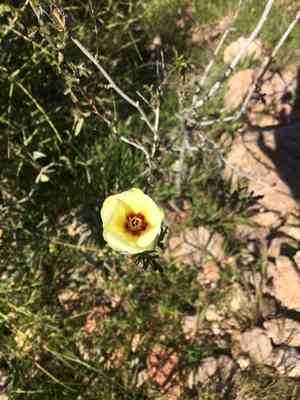
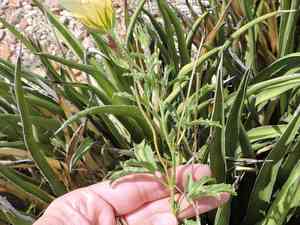
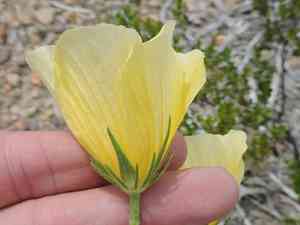
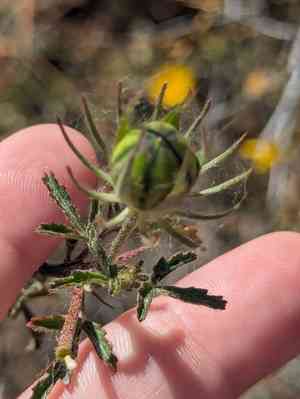
Quickly Identify Desert rosemallow
1
Hibiscus coulteri can be identified by its large, yellow, five-petaled flowers and its deeply lobed leaves. The plant also features woody stems and a bushy growth habit.
Scientific Classification of Desert rosemallow
Phylum
Vascular plants
Class
Dicotyledons
Order
Malvales
Family
Mallow
Genus
Hibiscus
Species
Desert rosemallow
Planting and Growing of Desert rosemallow
Care Difficulty
Easy
Watering Schedule
Every 2 days
Sunlight Requirements
Full sun
Sunshine Duration
4-6 hours
Ideal Temperature
65-80℉
Soil Type
Potting Mix, Peat Mix
Soil pH
6.5-7.5
Fertilizer Type
Balanced
Pruning Season
Spring, Summer
Pruning Area
Branches, Leaves
Pruning Frequency
2 times a year
Repotting Season
Spring
Pot Type
Plastic, Ceramic
 How to Water Desert rosemallow?
Hibiscus coulteri requires a delicate balance of water. Each watering should be around 500 milliliters, ensuring the soil is thoroughly moist but not soggy. This plant appreciates a consistent level of moisture that mimics its natural habitat conditions. Be mindful of the soil texture, opting for a well-draining mix to allow excess water to escape, preventing root rot.
What are the symptoms of an underwatered Desert rosemallow?
›
What should I do if my Desert rosemallow is not getting enough water?
›
What are the symptoms of an overwatered Desert rosemallow?
›
How to save an overwatered Desert rosemallow?
›
 What Are the Sunlight Requirements for Desert rosemallow?
Hibiscus coulteri ideally benefits from full sun to partial sun exposure. This range supports robust growth, healthy foliage, and prolific blooming, ensuring the plant maintains its ornamental appeal.
More About Sunlight Requirements Techniques→
Why Full Sun is Ideal
›
How to Ensure Proper Sun Exposure
›
Benefits of Ideal Lighting
›
 What Is the Ideal Temperature Range for Desert rosemallow?
For Hibiscus coulteri, the ideal temperature range is between 65°F and 80°F. This range allows the plant to thrive, promoting lush foliage and vibrant blooms. Stable temperatures within this range ensure optimal photosynthesis and metabolic processes.
 What Soil is Best for Desert rosemallow?
Hibiscus coulteri thrives best in well-drained soil, which helps prevent root rot and ensures that the roots get sufficient oxygen. This requirement is crucial as it allows for healthy root growth and efficient nutrient absorption, fostering robust plant health. The plant requires soil with moderate fertility levels to support its growth and flowering. A nutrient-rich soil provides the essential elements needed for the plant's vigorous leaf and flower production, ensuring lush blooms and vibrant plant vigor. While the soil should be well-drained, it should also retain enough moisture to sustain the plant. This balance helps maintain hydration without waterlogging, which is crucial for the plant's endurance during dry spells.
 How to Fertilize Desert rosemallow?
When fertilizing Hibiscus coulteri, use a balanced formula like 10-10-10, applying about 1 teaspoon per gallon of water for liquid fertilizers. For solid fertilizers, use approximately 1/4 cup per plant, distributed evenly around the root zone.
 How to Prune Desert rosemallow?
Begin by examining the plant for any dead or diseased branches. These should be pruned immediately to prevent any potential spread of disease. Make sure to cut back to a healthy portion of the branch. Once unhealthy branches are removed, you can start shaping the plant. Aim for an open structure that allows light and air to circulate freely. This not only enhances its aesthetic appeal but also benefits the plant's overall health. To encourage blossoming, prune lightly but consistently through the spring and summer. Focus on trimming back to encourage bushiness, rather than heavy cuts that might stress the plant.
More About Pruning Techniques→
 How to Propagate Desert rosemallow plant?
1
Start by collecting seeds from a mature Hibiscus coulteri plant. Soak them in water overnight to soften the seed coat and enhance germination rates.
2
Choose healthy semi-hardwood stems for cuttings. Cut a 6-8 inch section using sterilized pruning shears to prevent the spread of diseases.
3
Plant seeds or cuttings in a mix of moist potting soil and sand. Keep the substrate consistently moist but avoid waterlogging to promote root growth.
 How to Repot Desert rosemallow plant?
1
Hibiscus coulteri needs repotting when roots outgrow the container or water drains too slowly. This typically occurs in spring or autumn when the plant is actively growing but not stressed by high temperatures.
2
Select a pot that is slightly larger than the current one to encourage healthy root growth. The pot should have drainage holes to prevent waterlogging, as excessive water can lead to root rot, ensuring a healthy habitat for your Hibiscus.
3
Opt for a well-draining sandy soil mix that mimics its natural habitat. This type of soil avoids water retention, allowing for proper root aeration and reducing the risk of diseases such as root rot.
Learn More About Desert rosemallow Diseases
Anthracnose
Bacterial Leaf Spot
Bacterial Wilt
Crown Gall
Damping-off
Downy Mildew
Drought Stress
Fusarium Wilt
Gray Mold
Leaf Curl
Leaf Spot
Mosaic
Nutrient Deficiency
Nutrient Toxicity
Powdery Mildew
Root Rot
Root-knot Nematode
Rusts
Sooty Mold
Spider Mites
Temperature Stress
Thrips Damage
White Mold



