How to Transplant Hesperis sibirica?
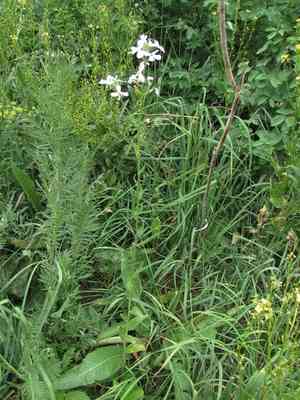
Hesperis sibirica flourishes optimally when relocated from the beginning to the end of spring, as rising temperatures facilitate root development. Select a location that receives full sun or partial shade, featuring soil that drains effectively. Provide adequate moisture, but refrain from overwatering to avert the decay of roots.
What Preparations are Needed Before Transplanting Hesperis Sibirica?
What is the Ideal Time for Transplanting Hesperis Sibirica?
The best time to move hesperis sibirica is from early to late spring. This period offers mild temperatures and ample soil moisture, aiding root establishment. Transplanting then maximizes growth potential, ensuring strong development for the plant's second year. Early spring relocation also allows hesperis sibirica to benefit from the entire upcoming growing season.
How Much Space Should You Leave Between Hesperis Sibirica Plants?
When relocating hesperis sibirica, ensure each plant is spaced 12-18 inches (30-45 cm) apart. This spacing promotes adequate air circulation and sufficient room for growth without crowding.
What is the Best Soil Mix for Hesperis Sibirica Transplanting?
Prepare a well-draining, loamy soil for hesperis sibirica. Enhance the soil with compost or a balanced fertilizer to supply essential nutrients. Aim for a fertile and slightly alkaline soil pH, approximately 6.0-7.0.
Where Should You Relocate Your Hesperis Sibirica?
Select a sunny location for hesperis sibirica to flourish optimally. This plant prefers full sunlight but can endure partial shade. Ensure it receives at least 6-8 hours of direct sunlight daily for peak growth.
What Equipments Should You Prepare Before Transplantation Hesperis Sibirica?
Gardening Gloves
To safeguard your hands while handling soil and plants.
Trowel
For excavating the planting hole and carefully managing small roots.
Shovel or Spade
To dig up larger plants or prepare the new planting site.
Watering Can or Hose
For thoroughly hydrating the plant before and after its relocation.
Pruners
To trim any damaged or excessively long roots if required.
Wheelbarrow
To transport the plant if it is substantial in size or weight.
How Do You Remove Hesperis Sibirica from the Soil?
How Do You Remove Hesperis Sibirica from the Soil?
From Ground: First, moisten the soil around the hesperis sibirica plant to facilitate digging. Use a shovel or spade to create a wide trench around the plant, ensuring the root ball remains intact. Carefully lift the plant by sliding the shovel beneath the root ball and gently prying it upward.From Pot: Water the hesperis sibirica plant thoroughly before extracting it from its container. Gently grasp the stem's base, invert the pot, and ease the plant out. If it's stuck, tap the pot's sides or gently squeeze to loosen the soil.From Seedling Tray: Water the seedlings well before removal. Use a small trowel or spoon to carefully lift each seedling from the tray, taking care to preserve the root ball.
Step-by-Step Guide for Transplanting Hesperis Sibirica
Prepare New Planting Hole
Excavate a hole that is twice the width and the same depth as the root ball of the hesperis sibirica plant.
Inspect Roots
Examine the roots for any damage. Trim any broken roots using pruners.
Planting
Position the hesperis sibirica plant in the center of the hole, ensuring it sits at the same depth it was previously growing. Backfill around the root ball with soil, pressing gently to eliminate air pockets.
Watering
Thoroughly water the plant at its base to help the soil settle around the roots.
Mulching
Apply a layer of mulch around the base of the hesperis sibirica to retain moisture and stabilize soil temperature.
How Do You Care For Hesperis Sibirica After Transplanting?
Watering
Maintain consistent moisture in the soil around the hesperis sibirica, avoiding sogginess, for the initial weeks post-transplant to encourage strong root development.
Protection
If the weather is excessively hot or sunny, provide temporary shade for the hesperis sibirica to lessen transplant shock.
Weeding
Keep the area surrounding the hesperis sibirica free of weeds to reduce competition for nutrients and water.
Providing Support
If your hesperis sibirica is tall or top-heavy, consider staking it to offer support until its roots become firmly established.
Troubleshooting Common Issues with Hesperis Sibirica Transplantation.
When is the best time to transplant hesperis sibirica?
Early to late spring is optimal for relocating hesperis sibirica for improved growth.
How much spacing is needed between hesperis sibirica plants?
Space hesperis sibirica plants 12-18 inches (30-45 cm) apart for healthy development.
What soil conditions favor hesperis sibirica transplants?
Well-drained, fertile soil with a neutral pH is ideal for hesperis sibirica transplants.
How do I prepare hesperis sibirica for transplantation?
Water hesperis sibirica thoroughly and carefully remove it from its current spot before transplanting.
Should hesperis sibirica be watered immediately after transplanting?
Yes, water hesperis sibirica right after transplanting to help the soil settle around its roots.
What should I do if hesperis sibirica appears wilted after transplanting?
Water it well and offer some shade until it recovers from the shock of being moved.
Can I transplant hesperis sibirica in hot weather?
Avoid transplanting in hot weather. It's best to move hesperis sibirica in spring when it's cooler.
How deep should I plant hesperis sibirica in its new location?
Plant hesperis sibirica at the same depth it was growing before to prevent stress.
What is the ideal temperature for transplanting hesperis sibirica?
Relocate hesperis sibirica when temperatures are between 50-70°F (10-21°C) for optimal outcomes.
How can I reduce transplant shock for hesperis sibirica?
Water thoroughly, keep soil moist, and avoid disturbing roots to minimize transplant shock for hesperis sibirica.



