How to Propagate Hesperis sibirica?
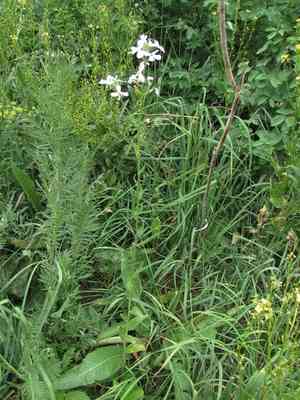
Hesperis sibirica flourishes in adequately drained substrate with average humidity and dappled sunlight. For reproduction, plant seeds directly into the ground, making sure they are lightly buried. Keep the soil consistently moist until sprouting occurs. Space out young plants to avoid excessive density and facilitate proper airflow. The optimal soil acidity level is between 6.0 and 7.0. Applying mulch can aid in moisture retention and weed suppression. Consistent irrigation and periodic nourishment with a balanced plant food will foster robust development.
When Is the Optimal Period to Propagate Hesperis Sibirica?
Propagation Type
Seeding
Propagation Season
Spring
What Equipment Is Utilized in Hesperis Sibirica Propagation?
Seed Trays
Seed trays offer a controlled setting for germinating hesperis sibirica seeds. Select trays with sufficient depth to support seedling growth until transplanting.
Seed Starting Mix
A sterile, well-draining seed starting mix minimizes the risk of soil-borne diseases and supplies vital nutrients, fostering robust root development for hesperis sibirica seedlings.
Heating Mat
A heating mat sustains a steady soil temperature, which is essential for hesperis sibirica seed germination. Consistent warmth accelerates sprouting and boosts seedling vitality.
Mist Sprayer
A mist sprayer ensures gentle and uniform watering for hesperis sibirica seeds and young plants. It prevents disruption and potential harm to delicate seedlings, promoting even moisture levels.
Grow Lights
Grow lights deliver sufficient artificial illumination, especially when sowing seeds indoors. Proper light exposure guarantees vigorous growth and prevents seedlings from becoming elongated or weak.
Seed Label Sticks
Seed label sticks help track various batches of hesperis sibirica seeds planted. Accurate labeling prevents confusion and assists in proper care and monitoring of seedlings.
How to Propagate Hesperis Sibirica?
Propagation Type
Simple
How to Nurture Your Newly Propagated Hesperis Sibirica?
How to Nurture Your Newly Propagated Hesperis Sibirica?
After propagation, ensure hesperis sibirica receives ample light, either full or partial sun. Maintain consistent moisture levels without over-saturating. Fertilize plants with a balanced, water-soluble fertilizer every 4-6 weeks during the active growth period. Safeguard young plants from pests and extreme weather fluctuations. Regular removal of spent flowers will encourage extended blooming.
Common Errors to Avoid When Propagating Hesperis Sibirica
Overwatering
Excessive watering can lead to root rot, resulting in the plant's demise.
Poor soil drainage
Utilizing soil that retains too much moisture can suffocate the roots.
Improper light conditions
Providing insufficient or excessive light can hinder growth or induce stress.
Incorrect cutting technique
Improperly taking cuttings can cause damage and reduce the likelihood of successful rooting.
Neglecting pest control
Failing to monitor and manage pests can result in infestations that harm the plant.
Advice For Propagating Hesperis Sibirica
Use well-draining soil
Ensure the soil mixture allows excess water to drain to prevent root decay.
Maintain proper moisture levels
Keep the soil consistently damp but not waterlogged to support healthy root development.
Provide adequate light
Position the cuttings or seedlings in an area with bright, indirect sunlight.
Sterilize tools
Use clean, sharp instruments to take cuttings to prevent infections and promote successful propagation.
Monitor for pests
Regularly inspect for pests and implement preventative measures to ensure the plant remains healthy.



