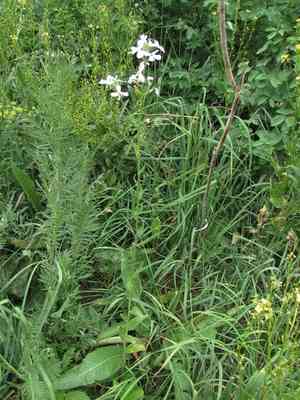
Hesperis sibirica (Hesperis sibirica)
Also known as: Siberian Dame's Rocket, Siberian Wallflower
Hesperis sibirica is a perennial herb, flourishing with clusters of small, fragrant flowers that range from pink to violet. Typically found in Siberia, this hardy species adapts well to cold climates, nestling in rocky, well-drained soils. Its lance-shaped leaves and tall, erect stems make it a notable presence in wild meadows and informal garden settings.
In This Article
Attributes of Hesperis sibirica
Lifespan
Biennial
Plant Type
Herb
Plant Height
40-90 cm
Spread
Not typically relevant for this species
Leaf Color
Green
Flower Size
1-2 cm
Flower Color
Purple, White
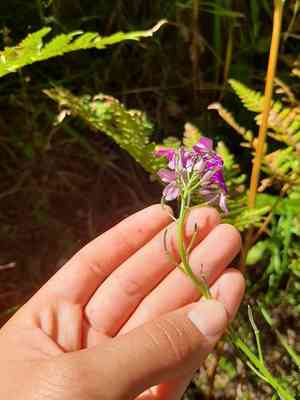
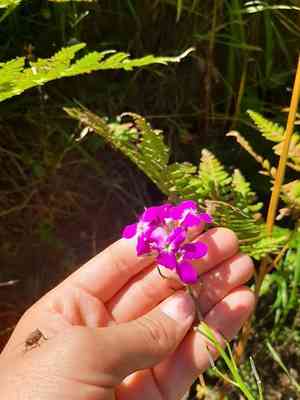
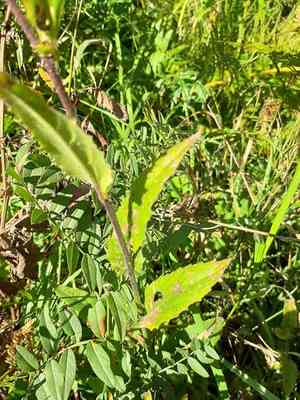
Images of Hesperis sibirica
Quickly Identify Hesperis sibirica
1
Hesperis sibirica can be identified by its lanceolate leaves and racemes of purple to white flowers that have four petals. It typically blooms in late spring to early summer.
Scientific Classification of Hesperis sibirica
Phylum
Vascular plants
Class
Dicotyledons
Order
Brassicales
Family
Cruciferae
Genus
Rocket
Species
Hesperis sibirica
Planting and Growing of Hesperis sibirica
Care Difficulty
Easy
Watering Schedule
Every 2 days
Sunlight Requirements
Partial sun
Sunshine Duration
6-10 hours
Ideal Temperature
60-75℉
Soil Type
Potting Mix, Peat Mix
Soil pH
6.5-7.5
Fertilizer Type
Balanced
Pruning Season
Spring, Summer
Pruning Area
Branches, Leaves
Pruning Frequency
2 times a year
Repotting Season
Spring
Pot Type
Plastic, Terracotta
 How to Water Hesperis sibirica?
Hesperis sibirica requires about 200 ml of water per session, ensuring the soil is moist but not waterlogged. It's crucial to water until the moisture reaches the root zone without pooling on the surface.
What are the symptoms of an underwatered Hesperis sibirica?
›
What should I do if my Hesperis sibirica is not getting enough water?
›
What are the symptoms of an overwatered Hesperis sibirica?
›
How to save an overwatered Hesperis sibirica?
›
 What Are the Sunlight Requirements for Hesperis sibirica?
Partial sun to full sun is ideal, enabling Hesperis sibirica to grow vigorously and produce abundant blooms. Proper light ensures robust foliage and stimulates photosynthesis for overall plant health.
What is the optimal lighting condition for Hesperis sibirica?
›
How can you achieve the ideal lighting conditions for Hesperis sibirica?
›
What benefits can Hesperis sibirica gain from ideal lighting conditions?
›
 What Is the Ideal Temperature Range for Hesperis sibirica?
The ideal temperature range for growing Hesperis sibirica is between 60°F and 75°F. This temperature range allows the plant to thrive, promoting healthy growth and proper flowering. Maintaining these temperatures ensures that the plant's metabolic processes occur optimally, contributing to its overall well-being.
 What Soil is Best for Hesperis sibirica?
Hesperis sibirica thrives in nutrient-rich loam or sandy loam soils, which provide essential minerals for robust growth and vibrant blooms. This plant requires well-draining soil to prevent waterlogging, which can lead to root rot and other health issues. Adequate drainage supports healthy root systems. While not waterlogged, the soil should have some moisture retention to keep the plant hydrated, especially during dry spells, ensuring its continuous growth cycle.
 How to Fertilize Hesperis sibirica?
Hesperis sibirica thrives on a balanced nutrient diet. For liquid fertilizers, use a diluted solution with a nitrogen-phosphorus-potassium (N-P-K) ratio of 10-10-10, applying no more than 100ml per plant each session. For slow-release fertilizers, scatter approximately 10 grams around the plant's base, ensuring even distribution to avoid root burn.
 How to Prune Hesperis sibirica?
Begin by examining the plant and removing any dead or damaged stems. This initial step helps improve the plant's overall health and prevents disease spread. Regularly remove spent flowers throughout the growing season to stimulate new blooms. Snip the faded flowers just above the nearest set of healthy leaves. Gently shape the plant by cutting overgrown stems to promote a bushier appearance. Aim for a balanced form by trimming at various points around the plant.
More About Pruning Techniques→
 How to Propagate Hesperis sibirica plant?
1
Collect seeds from mature plants during late summer. Clean and dry them thoroughly to prevent mold formation. Store in a cool, dry place until ready for sowing.
2
Fill the seed tray with a well-draining potting mix. Sprinkle seeds thinly over the surface and lightly cover them with soil. Water gently but thoroughly and place the tray in a location with indirect sunlight.
3
Select healthy non-flowering stems during early summer. Cut at an angle just below a node. Remove lower leaves and place the cuttings in water or moistened soil to encourage rooting.
 How to Repot Hesperis sibirica plant?
1
Repotting Hesperis sibirica is crucial when you notice roots emerging from the pot's drainage holes or if the plant begins to appear stunted despite proper care. This often indicates it's time to give the plant more room to grow.
2
Select a pot that is only one size larger than the current one. This helps avoid overwatering issues because excessive soil can retain too much moisture, which can lead to root rot. A pot with adequate drainage holes is essential to maintain plant health.
3
Opt for a well-draining potting mix to ensure the roots receive enough oxygen and don't become waterlogged. This type of soil mix allows excess water to escape easily, reducing the risk of root diseases and promoting healthy growth.
Learn More About Hesperis sibirica Diseases
Anthracnose
Bacterial Leaf Spot
Bacterial Soft Rot
Bacterial Wilt
Chemical Injury
Clubroot
Crown Gall
Cyst Nematode
Damping-off
Downy Mildew
Drought Stress
Fusarium Wilt
Gray Mold
Leaf Curl
Leaf Spot
Mosaic
Nutrient Deficiency
Nutrient Toxicity
Powdery Mildew
Root Rot
Root-knot Nematode
Rusts
Sooty Mold
Spider Mites
Temperature Stress
Thrips Damage
White Mold



