How to Transplant Stinking strawflower?
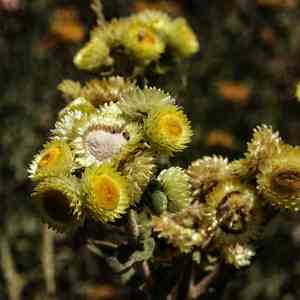
For stinking strawflower, the ideal period for relocation extends from the bright days of late spring into the warm heart of summer, guaranteeing vigorous development. Select a location with ample sunlight and good drainage, then gradually introduce the plant to prevent stress. This approach ensures magnificent flourishing!
What Preparations are Needed Before Transplanting Stinking Strawflower?
What is the Ideal Time for Transplanting Stinking Strawflower?
The optimal period for relocating stinking strawflower extends from the refreshing warmth of late spring to the vibrant peak of mid-summer. During this timeframe, stable weather conditions and extended daylight hours create an ideal setting for stinking strawflower to develop strong root systems. Carefully moving stinking strawflower to your garden during this season ensures a smooth transition, maximizing growth potential and bloom intensity. You'll find that transplanting stinking strawflower in this lively part of the year not only aligns with its natural growth cycle but also offers the reward of seeing this annual fully flourish in your outdoor space. A friendly reminder â it's the perfect moment to add a touch of cheerfulness with the unique scent and texture of stinking strawflower to your garden!
How Much Space Should You Leave Between Stinking Strawflower Plants?
Before introducing stinking strawflower to your garden, it's wise to provide ample room for them to thrive! Aim for a spacing of approximately 12-18 inches (30-46 cm) between plants. This ensures each plant has sufficient space to breathe and grow beautifully!
What is the Best Soil Mix for Stinking Strawflower Transplanting?
Let's prepare the perfect bed for stinking strawflower! They prefer well-draining soil. Incorporate some compost for nutrients and give them a good start with a balanced, slow-release fertilizer. This will provide your green companions with a happy environment to flourish in.
Where Should You Relocate Your Stinking Strawflower?
Find a sunny location for stinking strawflower, as they are sun-lovers! Choose a spot that receives full sun for the majority of the day. This will ensure your stinking strawflower soaks up the sunlight it needs to bloom to its fullest potential.
What Equipments Should You Prepare Before Transplantation Stinking Strawflower?
Gardening Gloves
To safeguard your hands while handling soil and plants.
Trowel
For excavating smaller stinking strawflower plants or creating a hole in the ground for the transplant.
Shovel or Spade
Essential for digging out larger stinking strawflower plants from the ground.
Watering Can or Hose
To hydrate the stinking strawflower plant after transplantation.
Pruning Shears
To trim any damaged roots or foliage prior to transplanting.
Garden Fork
To assist in loosening the soil around the stinking strawflower plant in its original spot.
Wheelbarrow or Plant Carrier
To move the stinking strawflower plant from its initial location to the new site without causing harm.
Rooting Hormone (optional)
To stimulate root development after transplanting.
How Do You Remove Stinking Strawflower from the Soil?
How Do You Remove Stinking Strawflower from the Soil?
From Ground: Water the stinking strawflower plant to moisten the soil, making it easier to work with. Use a garden fork to gently loosen the soil around the plant, making wide circular motions away from the base. Once loosened, use a shovel or spade to dig a generous circumference around the root ball, and carefully lift the plant from the ground with as much of the root ball intact as possible.From Pot: Begin by watering the stinking strawflower plant to help the roots detach from the pot's sides. Then tilt the pot sideways and gently tap the bottom and sides to loosen the plant. Grasp the stinking strawflower plant at its base and carefully ease it out of the pot, supporting the root ball with your other hand.From Seedling Tray: Water the seedlings to make the soil pliable. Use a trowel or a small stick to gently pry each stinking strawflower seedling out of its compartment, taking care not to harm the delicate roots.
Step-by-Step Guide for Transplanting Stinking Strawflower
Preparation
Before removing the stinking strawflower from its current spot, prepare the new planting hole. The hole should be as deep as the root ball and twice as wide to allow for expansion.
Root Pruning
Inspect the root ball of stinking strawflower and trim away any damaged or excessively long roots with pruning shears; this will encourage new growth.
Placing
Carefully position the stinking strawflower plant in the center of the new hole. Adjust the depth so the plant sits at the same level it was in its original location or pot.
Filling
Backfill the hole with the soil that was originally excavated, gently tamping down around the roots to eliminate air pockets.
Watering
Thoroughly water the stinking strawflower plant to settle the soil and provide moisture to the roots. If using, apply rooting hormone to the base to promote development.
Mulching
Apply a layer of mulch around the base of stinking strawflower to retain moisture and regulate soil temperature.
How Do You Care For Stinking Strawflower After Transplanting?
Regular Watering
Keep the soil around stinking strawflower consistently moist for the initial few weeks to aid root establishment.
Checking
Observe the stinking strawflower plant daily for indications of water stress or transplant shock, such as wilting or discolored leaves, and address them promptly.
Supporting
If the stinking strawflower plant is tall or top-heavy, stake it to prevent wind damage and encourage upright growth.
Pruning
Remove any dead or damaged leaves to help stinking strawflower direct its energy towards establishing new roots and healthy growth.
Troubleshooting Common Issues with Stinking Strawflower Transplantation.
When's the best time to transplant stinking strawflower seedlings outdoors?
The optimal period to relocate stinking strawflower is during late spring through mid-summer, when frost is improbable.
What's the ideal distance between stinking strawflower plants in the garden?
Space stinking strawflower seedlings ideally 12-18 inches (30-45 cm) apart to ensure ample growth room.
Why are my stinking strawflower seedlings wilting after transplanting?
Wilting may result from transplant shock. Ensure gentle handling and proper watering to aid their recovery.
How do I prepare the soil for stinking strawflower transplantation?
Enrich the soil with compost and ensure it's well-draining before placing stinking strawflower in their new home.
Can I transplant stinking strawflower on a hot, sunny day?
It's best to transplant during cooler, overcast days or in the evening to prevent stress.
How deep should I plant stinking strawflower during transplantation?
Dig a hole as deep as the root ball and twice as wide to accommodate stinking strawflower comfortably.
What watering routine should I follow after transplanting stinking strawflower?
Water stinking strawflower generously post-transplant, then adjust to a regular routine as they establish.
Should I use fertilizer right after transplanting stinking strawflower?
Wait 2-4 weeks post-transplant before introducing a balanced fertilizer to stinking strawflower, allowing roots to settle first.
How can I tell if my stinking strawflower has transplant shock?
Signs include drooping leaves and slowed growth. Maintain care, and they should bounce back.
How long does it take for stinking strawflower to recover from transplanting?
Recovery varies but typically stinking strawflower will adjust to their new spot within a few weeks with proper care.



