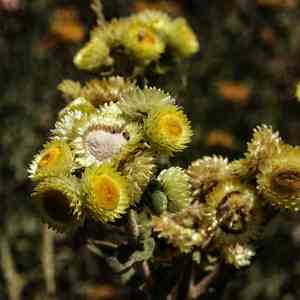
Stinking strawflower (Helichrysum foetidum)
Also known as: Stinking yellow
The stinking strawflower (Olearia odorata) is notable for its strong, distinctive smell, especially when its gray-green, lance-shaped leaves are touched. This perennial shrub displays clusters of small, pale yellow or white flowers. It thrives in well-drained, rocky soils and adapts well to full sun exposure. Its drought resistance and tolerance for poor soil conditions highlight its durability, making it a resilient choice for dry, open habitats.
In This Article
Attributes of Stinking strawflower
Lifespan
Annual
Plant Type
Herb
Plant Height
30 cm to 1 m
Spread
0.3 to 0.5 meters
Leaf Color
Green
Flower Size
1.5 cm to 2.5 cm
Flower Color
Yellow
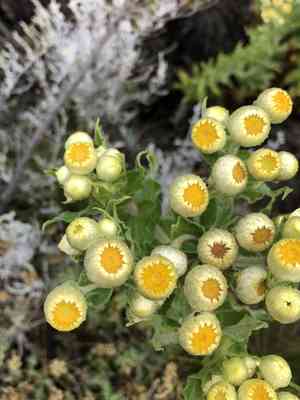
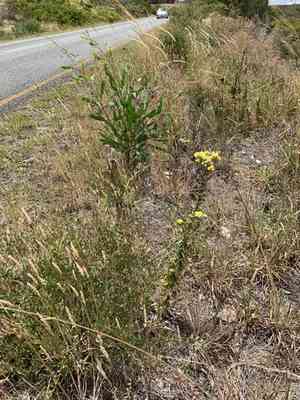
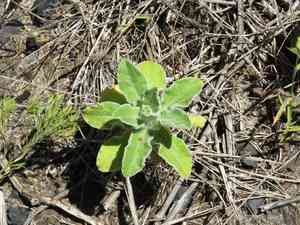
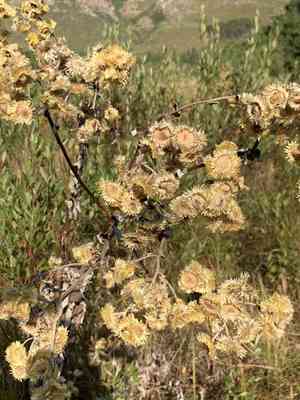
Images of Stinking strawflower
Quickly Identify Stinking strawflower
1
Helichrysum foetidum can be recognized by its woolly, grey-green leaves and clusters of small, yellow or white, papery flowers. The leaves emit a strong odor when crushed.
Scientific Classification of Stinking strawflower
Phylum
Vascular plants
Class
Dicotyledons
Order
Asterales
Family
Daisy
Genus
Helichrysum
Species
Stinking strawflower
Planting and Growing of Stinking strawflower
Care Difficulty
Easy
Watering Schedule
Every 2 days
Sunlight Requirements
Full sun
Sunshine Duration
4-8 hours
Ideal Temperature
65-75℉
Soil Type
Potting Mix, Peat Mix
Soil pH
6.5-7.5
Fertilizer Type
Balanced
Pruning Season
Spring, Summer
Pruning Area
Branches, Leaves
Pruning Frequency
2 times a year
Repotting Season
Spring
Pot Type
Plastic, Ceramic
 How to Water Stinking strawflower?
When watering Helichrysum foetidum, it is vital to find a balance. Aim to provide approximately 250ml of water per session. The goal is to moisten the soil evenly without causing sogginess. Ensure that the topsoil dries out between watering to prevent root rot while keeping the plant hydrated.
What are the symptoms of an underwatered Stinking strawflower?
›
What should I do if my Stinking strawflower is not getting enough water?
›
What are the symptoms of an overwatered Stinking strawflower?
›
How to save an overwatered Stinking strawflower?
›
 What Are the Sunlight Requirements for Stinking strawflower?
Helichrysum foetidum thrives best in full sun to partial sun. Ideal lighting conditions promote its robust growth and flowering, ensuring a healthy, vibrant plant that can flourish in varied environments.
What type of sunlight does Helichrysum foetidum thrive in?
›
How can you optimize light conditions for Helichrysum foetidum indoors?
›
What are the benefits of proper lighting for Helichrysum foetidum?
›
 What Is the Ideal Temperature Range for Stinking strawflower?
The ideal temperature range for Helichrysum foetidum is between 65°F and 75°F. Within this range, the plant can metabolize efficiently, photosynthesis occurs at an optimal rate, and cellular respiration is balanced. This temperature range supports the health and flowering of the plant, providing the best conditions for growth and development.
 What Soil is Best for Stinking strawflower?
Helichrysum foetidum thrives in well-draining soil, as it prevents root rot by allowing excess water to escape efficiently. This feature is crucial for maintaining healthy roots and ensuring that the plant receives adequate oxygen. Although this plant is quite resilient, providing a nutrient-rich substrate enhances its growth and flowering. By incorporating organic matter or a balanced fertilizer, you can boost its blooming capacity, resulting in more vibrant and prolonged flowers. While not excessively demanding, Helichrysum foetidum benefits from moderately fertile soil. Too rich soil can lead to excessive leafy growth with fewer flowers, whereas moderate fertility promotes a balanced growth of foliage and blooms.
 How to Fertilize Stinking strawflower?
Helichrysum foetidum thrives with a balanced amount of nutrients, so using a liquid fertilizer with an NPK ratio of 10-10-10 is ideal. Apply approximately 200ml per plant during each watering session when using a liquid fertilizer.
 How to Prune Stinking strawflower?
Start by identifying any dead or diseased branches which should be removed first. Use sharp pruners to make clean cuts at a 45-degree angle just above a node or healthy stem. This allows new growth to develop robustly. Reduce the plant to its desired shape by cutting back leggy growth, which promotes denser foliage. To maintain a specific shape, prune Helichrysum foetidum by cutting above a leaf or bud, directing new growth outwards. This technique is useful in shaping the plant into compact forms. Removing crossing branches reduces the risk of rubbing, thus mitigating damage and disease.
More About Pruning Techniques→
 How to Propagate Stinking strawflower plant?
1
When propagating from cuttings or division, select healthy and robust stems or portions of the plant. Avoid using sections that appear diseased or weak, as they may not root successfully.
2
Prepare a well-draining soil mix suitable for Helichrysum, often comprising a mix of potting soil, sand, and perlite. This ensures proper water drainage and provides aeration required for root development.
3
Place the seeds, divisions, or cuttings into the prepared soil mix. Water lightly to keep the soil moist but not waterlogged, as overly wet conditions can lead to root rot.
 How to Repot Stinking strawflower plant?
1
Helichrysum foetidum signals its need for repotting when roots become visible through drainage holes, or when growth becomes stunted. The best time is during spring or summer when the plant enters its growth phase.
2
Select a pot with good drainage and a size just slightly larger than the current one. This encourages healthy root growth while preventing water logging, helping maintain the Helichrysum foetidum's overall vitality.
3
Opt for a well-draining potting mix rich in organic matter to ensure proper aeration and moisture retention. This mimics its native habitat, helping the plant to thrive and minimize root rot chances.
Learn More About Stinking strawflower Diseases
Anthracnose
Bacterial Leaf Spot
Bacterial Soft Rot
Bacterial Wilt
Black Spot
Chemical Injury
Crown Gall
Cyst Nematode
Damping-off
Downy Mildew
Drought Stress
Fusarium Wilt
Gray Mold
Leaf Spot
Mosaic
Nutrient Deficiency
Nutrient Toxicity
Powdery Mildew
Root Rot
Root-knot Nematode
Rusts
Sooty Mold
Spider Mites
Temperature Stress
Thrips Damage
White Mold



