How to Prune Stinking strawflower?
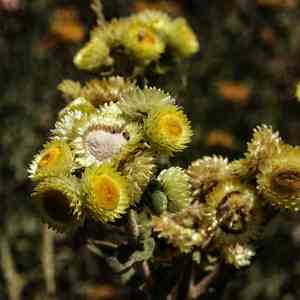
This enduring herb is recognized for its fuzzy feel and strong scent. Trimming stinking strawflower stimulates development, fosters a denser form, and extends its lifespan. Cut back in the spring to early summer, following the final frost, to eliminate faded blooms and deceased leaves, and to sculpt the plant. Gentle trimming in autumn helps preserve its well-being. Refrain from severe cuts, as stinking strawflower might not recuperate effectively. Advantages of pruning encompass enhanced air movement and a reduction in disease problems.
What Are the Benefits of Pruning Stinking Strawflower?
What Are the Benefits of Pruning Stinking Strawflower?
Trimming stinking strawflower promotes robust development, eliminates deceased or diseased parts, and maintains a desired form, which is vital for both visual appeal and the plant's well-being.
What Is the Best Time for Pruning Stinking Strawflower?
What Is the Best Time for Pruning Stinking Strawflower?
Spring pruning enables stinking strawflower to recover and grow vigorously as it aligns with the start of its active growth phase, ensuring strong health and structure. Early Summer trimming coincides with the post-flowering period, shaping the plant and removing faded blooms to encourage more flowering or prevent unwanted seedling self-sowing. Early Fall pruning removes any remaining spent flowers and helps prepare stinking strawflower for winter by eliminating diseased or damaged growth that could worsen in cold weather, while still allowing time for cuts to heal before dormancy.
What Tools Do I Need to Prune Stinking Strawflower?
Bypass Pruners
Perfect for making precise cuts on stinking strawflower, bypass pruners inflict less harm to plant tissues, encouraging faster recovery.
Pruning Shears
For maintaining the shape of stinking strawflower and deadheading, pruning shears provide a clean cut essential for the plant's health.
Gloves
To safeguard the gardener's hands from the plant's potentially irritating foliage, gloves are a crucial implement.
Garden Scissors
For trimming small or delicate sections of stinking strawflower, garden scissors offer enhanced control and accuracy.
How to Prune Stinking Strawflower
Clean tools
Before beginning, ensure all pruning implements are clean and sharp to prevent harming stinking strawflower or spreading illnesses.
Inspect plant
Examine stinking strawflower thoroughly to identify all withered leaves that need removal.
Cut withered
Using your pruning shears, carefully cut the withered leaves at their base where they meet the stem, avoiding damage to healthy tissue.
Dispose withered
Gently remove the cut withered leaves from stinking strawflower and discard them to prevent any potential spread of pests or diseases.
Water carefully
After pruning, water stinking strawflower carefully to minimize stress and avoid wetting the foliage to deter fungal growth.
Common Pruning Mistakes with Stinking Strawflower
Overpruning
Removing too much foliage at once can stress stinking strawflower, hindering its growth and blooming capacity. It's important not to cut away more than one-third of the plant in a single session.
Improper cuts
Making cuts that are too flush against the main stem can create wounds on stinking strawflower that are vulnerable to disease. Conversely, leaving too much of a stub can also impede healing and lead to potential problems.
Using dull tools
Pruning with dull or unclean tools can cause ragged cuts that are more susceptible to infection. This can damage stinking strawflower and reduce its vigor.
Ignoring deadheading
Failing to regularly remove spent flowers from stinking strawflower can lead to a decrease in new blooms and cause the plant to look untidy.
Disregarding shape
Neglecting to consider the natural growth habit of stinking strawflower when pruning can lead to an unbalanced or unnatural shape, affecting both aesthetics and health.
Timing
Pruning at the wrong times can disrupt the growth cycle of stinking strawflower, potentially affecting its flowering and growth in the next season.
Common Pruning Tips for Stinking Strawflower
Sharp tools
Use sharp, clean pruning shears to make clean cuts on stinking strawflower, as this helps ensure quick healing and reduces the risk of disease.
Selective thinning
Thin out crowded stems to improve air circulation and light penetration, which are vital for stinking strawflower's overall health and blooming capability.
Cutting angle
Make cuts at a 45-degree angle, about 1/4 inch above a leaf node or bud, to encourage new growth and prevent water from accumulating on the cut surface.
Deadheading
Remove spent blooms regularly to promote further flowering and maintain a tidy appearance for stinking strawflower.
Health check
Examine stinking strawflower for signs of disease or pests before pruning and immediately after to ensure any compromised areas are addressed as soon as possible.
Conservative approach
Start by lightly pruning stinking strawflower and observe its response before further pruning, to allow for adjustments based on the plant's health and growth patterns.



