How to Transplant Willowleaf frostweed?
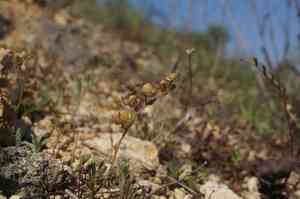
Optimal transplanting for willowleaf frostweed occurs from the mild period following spring's peak to the onset of early summer. Select locations that receive ample sunlight and offer good drainage to support its development. Provide an accommodating environment for its root system to expand without hindrance.
What Preparations are Needed Before Transplanting Willowleaf Frostweed?
What is the Ideal Time for Transplanting Willowleaf Frostweed?
The best time to move willowleaf frostweed is during the pleasant weather of late spring, extending into early summer. This period is perfect because the mild temperatures allow the roots of willowleaf frostweed to settle without the stress of intense heat. By choosing this season, you ensure the plants have ample time to adjust and thrive, benefiting from the long summer days for robust growth. Relocating your willowleaf frostweed at this time encourages strong root development, crucial for the health and resilience of this beautiful annual.
How Much Space Should You Leave Between Willowleaf Frostweed Plants?
When preparing to rehome willowleaf frostweed, aim for a spacing of approximately 6-8 inches (15-20 cm) between each plant. This provides sufficient room for each willowleaf frostweed to grow without overcrowding its neighbors.
What is the Best Soil Mix for Willowleaf Frostweed Transplanting?
Prepare a suitable bed for your willowleaf frostweed by selecting well-draining soil rich in organic material. Before planting, incorporate a gentle, slow-release fertilizer to give your willowleaf frostweed a strong start in its new location.
Where Should You Relocate Your Willowleaf Frostweed?
Choose a sunny location where willowleaf frostweed can receive at least 6 hours of direct sunlight daily. This sun-loving plant will flourish with a daily dose of morning warmth and bright rays.
What Equipments Should You Prepare Before Transplantation Willowleaf Frostweed?
Gardening Gloves
To safeguard your hands while handling soil and plants.
Shovel or Spade
For excavating the plant and preparing the new planting site.
Hand Trowel
For more precise work in removing the plant, especially for smaller specimens or potted plants.
Watering Can or Hose
To hydrate the plant before and after relocation.
Pruners or Scissors
To trim any damaged roots or foliage.
Wheelbarrow or Plant Dolly
To safely transport the plant to its new spot, particularly if it is large or heavy.
How Do You Remove Willowleaf Frostweed from the Soil?
How Do You Remove Willowleaf Frostweed from the Soil?
From Ground: Water the willowleaf frostweed plant to make the soil easier to manage. Then, carefully dig a circle around the plant with a shovel or spade, ensuring a generous amount of soil remains around the root ball for protection. Use the spade to gently lift the plant from the ground.From Pot: Water the willowleaf frostweed plant and let it sit briefly. Turn the pot on its side, tap the bottom, and gently pull the plant out by the base of its main stem. Use a hand trowel to loosen the edges if it's stuck.From Seedling Tray: Moisten the soil first. Use a hand trowel or a spoon to lift the seedling by pushing it up from the bottom. Be careful to keep the soil around the roots intact as you remove each plant.
Step-by-Step Guide for Transplanting Willowleaf Frostweed
Plant Health
Inspect the willowleaf frostweed plant for any signs of illness or pests and address these issues before moving it. Healthy plants better withstand the stress of relocation.
Digging Hole
Excavate a hole in the ground that is twice as wide as the root ball of your willowleaf frostweed plant and equally deep. This provides ample space for the roots to spread.
Plant Placement
Gently position the willowleaf frostweed in the center of the new hole. Adjust the depth so it sits at the same level as its original location or pot.
Refilling Hole
Carefully backfill the hole with soil, gently patting around the roots to eliminate air pockets. However, avoid compacting the soil too much.
Watering In
Provide the willowleaf frostweed with a generous amount of water immediately after transplanting to help settle the soil around the roots and ensure adequate hydration.
Stabilizing Plant
If the willowleaf frostweed is tall or appears unstable, you may wish to gently stake it to help it remain upright until it is firmly established in its new home.
How Do You Care For Willowleaf Frostweed After Transplanting?
Watering Consistency
Monitor soil moisture and water your willowleaf frostweed when the top inch of soil feels dry. Aim for a balance; keep the soil moist, but prevent overwatering.
Mulching
Apply a layer of organic mulch around the base of the willowleaf frostweed to help retain soil moisture and regulate temperature.
Observation
Regularly check your willowleaf frostweed for any signs of stress, such as wilting or discoloration, and address issues promptly to ensure a successful transplant.
Troubleshooting Common Issues with Willowleaf Frostweed Transplantation.
What's the best time to transplant willowleaf frostweed?
The ideal period for transplanting willowleaf frostweed is when the weather warms, typically from late spring to early summer.
How far apart should I space willowleaf frostweed during transplanting?
For optimal growth, space willowleaf frostweed approximately 6-8 inches (15-20 cm) apart to ensure proper air circulation and light.
How deep should the hole be for transplanting willowleaf frostweed?
Dig a hole as deep as the root ball and twice as wide to give willowleaf frostweed sufficient room to establish.
Can willowleaf frostweed be transplanted in full sunlight?
Absolutely! Willowleaf frostweed thrives in full sun. Just ensure the soil remains moist after transplanting for successful establishment.
What should I do if willowleaf frostweed's leaves wilt after transplanting?
Wilted leaves can indicate shock. Keep the soil moist and provide shade for a few days post-transplant.
Is waterlogging an issue for transplanted willowleaf frostweed?
Yes, willowleaf frostweed does not tolerate soggy soil. Ensure good drainage when planting to prevent root rot.
Why are my transplanted willowleaf frostweed plants not flowering?
This could be due to stress or insufficient sunlight. Make sure they are in a sunny spot and the soil is well-draining.
Should I fertilize willowleaf frostweed after transplanting?
Wait 4-6 weeks before fertilizing to allow willowleaf frostweed to settle in, then use a balanced, slow-release fertilizer.
How to prevent transplant shock in willowleaf frostweed?
Water thoroughly after transplanting and maintain consistent moisture levels. Avoid disturbing the roots when planting.
Can transplanting during a heatwave affect willowleaf frostweed?
Moving willowleaf frostweed during extreme heat can stress the plant. Aim for a cooler part of the day and water well.



