How to Prune Willowleaf frostweed?
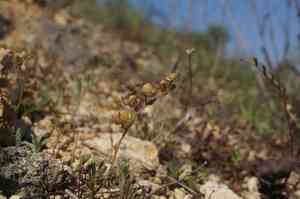
A compact, evergreen perennial featuring slender, silver-hued leaves, willowleaf frostweed thrives with regular trimming to preserve its form and stimulate denser development. Following its blooming period, reduce the plant by as much as one-third to foster fresh shoots. Perform pruning in spring to eliminate harm from winter, in summer to remove spent blooms and sculpt, and gently in autumn if required, refraining from drastic cuts prior to winter. Consistent pruning boosts willowleaf frostweed's vitality and bloom production, guaranteeing a neat and appealing look.
What Are the Benefits of Pruning Willowleaf Frostweed?
What Are the Benefits of Pruning Willowleaf Frostweed?
Trimming willowleaf frostweed promotes strong development and maintains its form. Regular cutting eliminates dead or weak stems, fostering a sturdy structure for new growth, leading to a denser and more appealing plant.
What Is the Best Time for Pruning Willowleaf Frostweed?
What Is the Best Time for Pruning Willowleaf Frostweed?
Pruning in Spring allows willowleaf frostweed to direct energy into new growth, encouraging a healthier and more manageable shape. Early Summer pruning is ideal for removing faded blooms and promoting a potential second flowering. Late Fall is suitable for removing dead or diseased wood, thus preparing willowleaf frostweed for winter dormancy without stressing it during cold weather.
What Tools Do I Need to Prune Willowleaf Frostweed?
Bypass pruners
Perfect for making clean cuts on the young, green stems of willowleaf frostweed. Bypass pruners operate like scissors, with two blades passing each other, causing less harm to the remaining plant tissue.
Pruning shears
Useful for shaping and ensuring precise cuts for willowleaf frostweed, helping to maintain its overall appearance.
Garden scissors
Ideal for deadheading or snipping off spent flowers of willowleaf frostweed. Their small and accurate blades are excellent for reaching into dense growth without damaging nearby stems.
Handheld pruning saw
For mature or woody stems of willowleaf frostweed that are too thick for pruners, this tool can make clean cuts without applying excessive pressure, which can harm the plant.
Gloves
Essential to protect the gardenerâs hands from thorns and sharp edges while pruning willowleaf frostweed.
How to Prune Willowleaf Frostweed
Clean Disinfect
Sanitize your cutting tools to prevent the spread of disease to willowleaf frostweed.
Select
Examine willowleaf frostweed and identify all the withered leaves for removal.
Cut
Snip the withered leaves at their base, taking care not to damage new growth or healthy tissue.
Dispose
Remove all trimmed withered leaves from the area to prevent potential disease or pest issues.
Common Pruning Mistakes with Willowleaf Frostweed
Overpruning
Removing too much foliage at once can stress willowleaf frostweed, leading to weak growth and reduced flowering. It's essential to prune conservatively, targeting specific areas rather than cutting back the plant excessively.
Improper cuts
Making jagged or torn cuts can create open wounds on willowleaf frostweed that are vulnerable to pests and diseases. Pruning should be done with sharp, clean tools to make precise cuts.
Neglecting plant shape
Failing to consider the natural shape of willowleaf frostweed can result in an unnatural appearance and may impair the plant's health. Gardeners should aim to maintain the original form while pruning.
Removing too much old wood
Willowleaf frostweed may rely on older growth to support new flowering shoots. Pruning excessive old wood can diminish the number of blooms. It is important to balance between removing older growth and preserving some mature stems.
Pruning without a plan
Randomly cutting branches without a clear objective can harm the overall health and aesthetic of willowleaf frostweed. Gardeners should define a clear goal before starting to prune, such as improving air circulation or removing deadwood.
Common Pruning Tips for Willowleaf Frostweed
Selective thinning
Removing select branches to thin out willowleaf frostweed can promote better air circulation and light penetration, which is crucial for the health and vigor of the plant. This encourages a more robust and floriferous growth.
Pruning for shape
To maintain the attractive form of willowleaf frostweed, gardeners should follow its natural growth pattern when pruning. This involves cutting back to a bud that faces the direction you want the plant to grow.
Deadheading
Regularly removing spent blooms from willowleaf frostweed can stimulate the plant to produce more flowers. This is because deadheading prevents the plant from putting energy into seed production.
Rejuvenation pruning
For older willowleaf frostweed specimens, occasionally harder pruning (without cutting into the woody base) may be necessary to rejuvenate and encourage fresh growth, as long as it is done with care and not more than needed.
Cleaning tools
Keeping pruning tools clean helps prevent the spread of disease in willowleaf frostweed. Disinfect shears before and after use, particularly when moving between different plants.



