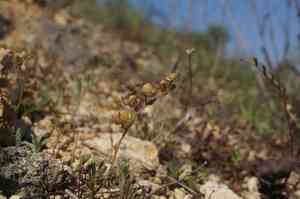
Willowleaf frostweed (Helianthemum salicifolium)
Also known as: Willow-leaved Rockrose, Sunrose
While Willowleaf frostweed (Helianthemum canadense) and Common rockrose (Helianthemum nummularium) may look alike, Willowleaf frostweed is generally shorter in height. The term "helianthemum" is derived from ancient Greek, meaning "sun," and the flowers of both plants typically open only when temperatures exceed 20 degrees Celsius.
In This Article
Attributes of Willowleaf frostweed
Lifespan
Annual
Plant Type
Herb
Plant Height
12 cm
Spread
10-30 cm
Leaf Color
Green
Flower Size
1-2.5 cm
Flower Color
Yellow
Images of Willowleaf frostweed

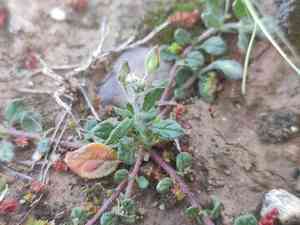
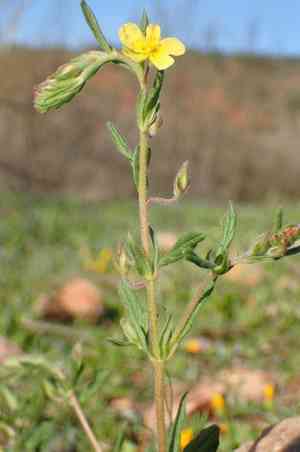
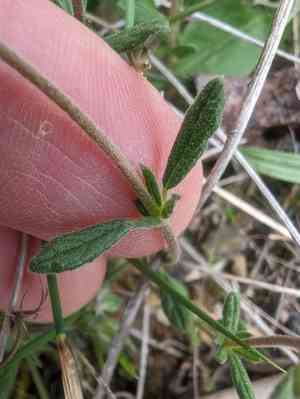
Quickly Identify Willowleaf frostweed
1
Helianthemum salicifolium can be identified by its bright yellow flowers with five petals, which bloom in clusters. The leaves are narrow, lanceolate, and resemble those of a willow tree. The stems are woody and can often be seen spreading close to the ground.
Scientific Classification of Willowleaf frostweed
Phylum
Vascular plants
Class
Dicotyledons
Order
Malvales
Family
Rock roses
Genus
frostweed
Species
Willowleaf frostweed
Planting and Growing of Willowleaf frostweed
Care Difficulty
Easy
Watering Schedule
Every 2 days
Sunlight Requirements
Full sun
Sunshine Duration
4-8 hours
Ideal Temperature
65-75℉
Soil Type
Potting Mix, Peat Mix
Soil pH
6.5-7.5
Fertilizer Type
Balanced
Pruning Season
Spring, Summer
Pruning Area
Branches, Leaves
Pruning Frequency
2 times a year
Repotting Season
Spring
Pot Type
Plastic, Ceramic
 How to Water Willowleaf frostweed?
Helianthemum salicifolium requires a moderate amount of water, ensuring the soil is moist but not waterlogged. It is crucial to water until the top inch of soil feels damp, approximately 150ml per watering. Avoid leaving standing water around the roots to prevent rot.
What are the symptoms of an underwatered Willowleaf frostweed?
›
What should I do if my Willowleaf frostweed is not getting enough water?
›
What are the symptoms of an overwatered Willowleaf frostweed?
›
How to save an overwatered Willowleaf frostweed?
›
 What Are the Sunlight Requirements for Willowleaf frostweed?
Helianthemum salicifolium thrives in full sun, benefiting from complete exposure. This maximizes photosynthesis, ensuring vigorous growth and striking flowering.
What is the best direction to position my plant for sunlight?
›
How can I ensure the plant receives adequate sunlight indoors?
›
What happens if the plant receives optimal sunlight?
›
 What Is the Ideal Temperature Range for Willowleaf frostweed?
The ideal temperature range for Helianthemum salicifolium is between 65°F and 75°F. This range allows the plant to engage in optimal photosynthesis and metabolism, supporting vigorous growth and blooming. Temperatures within this range provide stability and minimize stress.
 What Soil is Best for Willowleaf frostweed?
Helianthemum salicifolium requires well-drained soil to prevent root rot. Excellent drainage ensures that this plant's roots stay healthy and promotes robust growth. The plant thrives in moderately fertile soils. A balanced nutrient supply supports its flowering capabilities and overall vitality without overwhelming it with excess nutrients. A slightly alkaline environment matches the plant's natural limestone habitat, optimizing nutrient uptake and mimicking its ideal growing conditions.
 How to Fertilize Willowleaf frostweed?
Helianthemum salicifolium, also known as willow-leaved rockrose, requires moderate fertilization. A balanced 10-10-10 liquid fertilizer should be applied at a rate of half strength to avoid over-fertilization. This helps to provide adequate nutrients without overwhelming the plant's root system, which is adapted to poorer soils.
 How to Prune Willowleaf frostweed?
Begin pruning Helianthemum salicifolium by removing any dead or diseased stems. Use clean, sharp pruning shears and make cuts at a slight angle to prevent water from settling on the cut surface. Regular trimming will keep it compact and encourage bushy growth. Trim back leggy or excessively long shoots to maintain a pleasing shape.
More About Pruning Techniques→
 How to Propagate Willowleaf frostweed plant?
1
Begin by gathering seeds from a mature Helianthemum salicifolium plant. Clean the seeds and allow them to dry for a day before sowing. This ensures better germination rates.
2
Select a healthy branch from the parent plant and cut a 3-4 inch section. Remove the leaves from the bottom half and dip the cut end in rooting hormone to encourage root development.
3
Gently dig up a mature plant, taking care not to damage the roots. Use a sharp knife to divide the root ball into smaller sections, each with a healthy root system, and replant them in suitable soil.
 How to Repot Willowleaf frostweed plant?
1
Repot Helianthemum salicifolium when you observe roots visibly emerging from the drainage holes at the pot's bottom or when the plant's growth appears stunted, indicating it's becoming root-bound. The best time to undertake this task is during early spring or autumn when the plant is not in its active growing period, allowing for recovery.
2
Select a pot that is only slightly larger than the current one. Ideally, it should have adequate drainage holes to prevent waterlogging, a significant issue for Helianthemum salicifolium. Opting for a clay or terracotta pot can be beneficial as they provide excellent aeration and moisture regulation, vital for healthy roots.
3
A well-draining sandy mix is essential for Helianthemum salicifolium. Use a combination of cactus mix and perlite or sand. This mixture mimics its natural habitat by ensuring fast drainage and aeration, preventing root rot and other moisture-related problems common in plants confined to pots.



