How to Transplant Alpine French Honeysuckle?
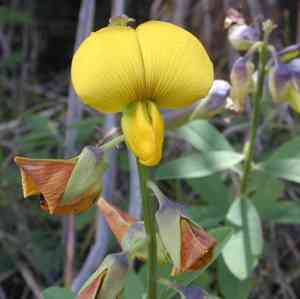
The ideal period for transplanting alpine French Honeysuckle is from early to late spring, ensuring a smooth adjustment. Select a bright, adequately draining spot, enhancing the outcome with careful handling and soil acclimation.
What Preparations are Needed Before Transplanting Alpine French Honeysuckle?
What is the Ideal Time for Transplanting Alpine French Honeysuckle?
The optimal period for relocating alpine French Honeysuckle spans from early spring's onset to the brink of summer. This timeframe offers mild temperatures and revitalizing ecosystems conducive to new development. Moving alpine French Honeysuckle during this phase leverages increasing soil warmth, which encourages strong root growth, and the moderate weather lessens plant stress, ensuring a head start before summer's full intensity. Favorable seasonal conditions typically provide a supportive environment that aids alpine French Honeysuckle in establishing itself firmly, benefiting from longer days and milder nights for optimal adaptation.
How Much Space Should You Leave Between Alpine French Honeysuckle Plants?
When getting ready to plant your alpine French Honeysuckle, ensure you allow approximately 15-20 inches (38-50 cm) between each young plant. This spacing enables your plants to develop freely without competing for nutrients or sunlight.
What is the Best Soil Mix for Alpine French Honeysuckle Transplanting?
For alpine French Honeysuckle, a soil that drains well and is rich in organic material is most suitable. Before planting, incorporate a balanced, slow-release fertilizer to give your seedlings a robust start. A pH level near neutral is perfect for this resilient perennial.
Where Should You Relocate Your Alpine French Honeysuckle?
Select a location for your alpine French Honeysuckle that receives full sun to partial shade. Understanding your garden's sun exposure patterns will help you choose an ideal spot. At least 6 hours of daily sunlight is recommended for vigorous growth.
What Equipments Should You Prepare Before Transplantation Alpine French Honeysuckle?
Gardening Gloves
To safeguard your hands while handling soil and plants.
Shovel or Spade
For excavating around and beneath the plant's root mass.
Watering Can or Hose
To hydrate the alpine French Honeysuckle prior to and following its relocation.
Pruning Shears
To trim any dead or excessive foliage before the transplant.
Wheelbarrow or Garden Cart
To safely move the alpine French Honeysuckle from one spot to another.
Trowel
For refining the planting hole or moving smaller specimens.
Garden Fork
To loosen the soil surrounding the plant's root area in preparation for its removal.
Mulch
To insulate the plant's root zone after it has been transplanted.
Rooting Hormone (optional)
To stimulate root development post-transplant, if advised.
How Do You Remove Alpine French Honeysuckle from the Soil?
How Do You Remove Alpine French Honeysuckle from the Soil?
From Ground: First, hydrate the alpine French Honeysuckle to moisten the soil. Use a garden fork to loosen the earth around the plant. Dig a wide circle around the root ball with a shovel or spade, being careful not to cut roots. Gently work the shovel under the root ball, then carefully lift the plant from the ground.From Pot: Water the alpine French Honeysuckle thoroughly. Turn the container on its side and gently tap the edges and bottom to loosen the soil. Grasp the plant's base and carefully ease it out, supporting the root ball. If the plant is root-bound, gently separate the roots.From Seedling Tray: Water the young plants to ensure the soil is damp. Use a trowel or a fork to carefully lift each seedling by its root ball, minimizing root disturbance.
Step-by-Step Guide for Transplanting Alpine French Honeysuckle
Preparation
Water the alpine French Honeysuckle thoroughly before transplanting. This helps keep the root ball intact and lessens transplant shock.
Digging Hole
Excavate a hole in the prepared ground that is twice as wide and the same depth as the root ball. This provides ample room for roots to spread.
Placement
Position the alpine French Honeysuckle in the center of the hole. The top of the root ball should be level with the surrounding soil surface, neither buried too deeply nor exposed.
Filling In
Gently backfill the hole with the removed soil, firmly pressing it around the root ball to eliminate air pockets. Avoid over-compacting the soil, which can hinder water and air circulation.
Watering
After planting, water the alpine French Honeysuckle thoroughly to settle the soil and remove any remaining air gaps around the roots.
Mulching
Apply a layer of mulch around the base of the alpine French Honeysuckle to help retain moisture and regulate soil temperature, keeping the mulch away from the plant's stem to prevent rot.
How Do You Care For Alpine French Honeysuckle After Transplanting?
Watering
Ensure the alpine French Honeysuckle receives regular watering to maintain consistent soil moisture. Adjust frequency based on weather, making sure the soil remains moist but not waterlogged.
Supportive Staking
If the alpine French Honeysuckle appears unstable, gently stake the plant to provide support as it establishes. This might be necessary in windy conditions.
Inspection
Regularly check the alpine French Honeysuckle for indications of stress or damage. Promptly remove any dead or diseased leaves or stems.
Adjustment Period
Allow the alpine French Honeysuckle some time to recover from transplant shock. It may take several weeks before new growth emerges, signaling successful establishment.
Troubleshooting Common Issues with Alpine French Honeysuckle Transplantation.
How deep should I plant alpine French Honeysuckle when transplanting?
Plant alpine French Honeysuckle so its root ball rests at or slightly above ground level, ensuring roots can easily expand.
What's the ideal time to transplant alpine French Honeysuckle for best growth?
Transplant alpine French Honeysuckle during mild weather, ideally from early to late spring for optimal acclimatization.
How much should I water alpine French Honeysuckle after transplanting?
Water alpine French Honeysuckle thoroughly post-transplant to settle soil around roots, then follow a regular schedule to keep soil moist, not saturated.
How far apart should I space alpine French Honeysuckle for healthy growth?
Provide alpine French Honeysuckle ample room to thrive by spacing them at least 15-20 inches (38-50 cm) apart, accommodating their mature size.
What soil conditions are best for transplanting alpine French Honeysuckle?
Aim for well-draining soil rich in organic matter with a neutral to slightly acidic pH for alpine French Honeysuckle to flourish.
Should I prune alpine French Honeysuckle before or after transplanting?
Trim any damaged or excessive growth on alpine French Honeysuckle before transplanting to encourage healthy root and shoot regeneration.
Can I fertilize alpine French Honeysuckle immediately after transplanting?
Refrain from fertilizing alpine French Honeysuckle until new growth appears, allowing roots to settle without chemical stress.
What signs indicate alpine French Honeysuckle transplant shock, and what should I do?
Wilting or yellowing leaves on alpine French Honeysuckle indicate shock. Provide shade, maintain soil moisture, and avoid disturbing the roots.
How can I protect alpine French Honeysuckle from pests after transplanting?
Use organic mulch around alpine French Honeysuckle, but not against stems, to deter pests and stabilize soil temperature.
When is it too late to transplant alpine French Honeysuckle in the season?
Avoid transplanting alpine French Honeysuckle in peak summer or winter to prevent temperature extremes that can hinder establishment.



