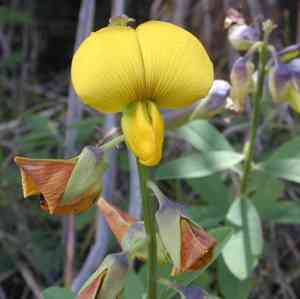
Alpine French Honeysuckle (Hedysarum hedysaroides)
Also known as: French honeysuckle
The Edelweiss (Leontopodium alpinum) features distinctive white, star-shaped flowers on robust, green stems. It blooms from late summer through fall and is well-adapted to the cold climate of the Swiss Alps, thriving at elevations reaching up to 10,000 feet.
In This Article
Attributes of Alpine French Honeysuckle
Lifespan
Perennial
Plant Type
Herb
Plant Height
20-60 cm
Spread
Approximately 30 cm
Leaf Color
Green
Flower Size
0.5-1 cm
Flower Color
Purple Pink
Images of Alpine French Honeysuckle
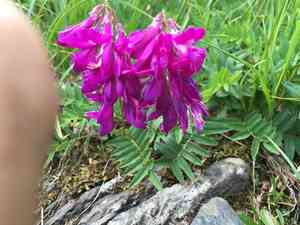
Quickly Identify Alpine French Honeysuckle
1
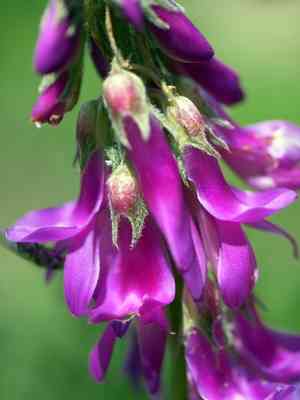
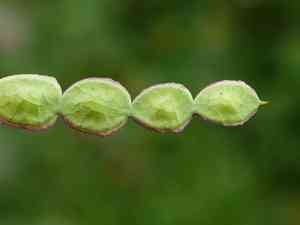
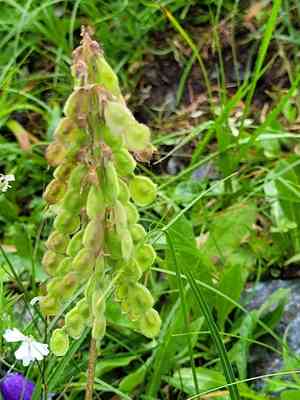
Alpine Sweetvetch can be identified by its elongated, compound leaves with multiple small leaflets, racemes of pink to purple flowers, and characteristic flattened pods.
Scientific Classification of Alpine French Honeysuckle
Phylum
Vascular plants
Class
Dicotyledons
Order
Fabales
Family
Legume
Genus
Sweetvetches
Species
Alpine French Honeysuckle
Planting and Growing of Alpine French Honeysuckle
Care Difficulty
Easy
Watering Schedule
Every 2 days
Sunlight Requirements
Partial sun
Sunshine Duration
6-10 hours
Ideal Temperature
60-75℉
Soil Type
Potting Mix, Peat Mix
Soil pH
6.5-7.5
Fertilizer Type
Balanced
Pruning Season
Spring, Summer
Pruning Area
Branches, Leaves
Pruning Frequency
2 times a year
Repotting Season
Spring
Pot Type
Plastic, Ceramic
 How to Water Alpine French Honeysuckle?
When watering Hedysarum hedysaroides, aim to give around 250 ml until the top 2-3 centimeters of soil feel moist to the touch. The soil should feel consistently damp but never saturated. Ensure excess water can drain to avoid root rot, which is detrimental to the plant's health.
What are the symptoms of an underwatered Alpine French Honeysuckle?
›
What should I do if my Alpine French Honeysuckle is not getting enough water?
›
What are the symptoms of an overwatered Alpine French Honeysuckle?
›
How to save an overwatered Alpine French Honeysuckle?
›
 What Are the Sunlight Requirements for Alpine French Honeysuckle?
Partial sun is ideal, providing a balance of light intensity and duration for optimal growth. This lighting encourages healthy development and blooming.
How much sunlight is ideal?
›
How to ensure the plant receives ideal sun?
›
What benefits does ideal sun provide?
›
 What Is the Ideal Temperature Range for Alpine French Honeysuckle?
The ideal temperature range for cultivating Hedysarum hedysaroides is between 60°F and 75°F. This range promotes optimal growth and development by providing conditions most closely aligned with the plant's native environment. Maintaining temperatures within this range ensures effective photosynthesis and nutrient uptake, leading to healthier plants.
 What Soil is Best for Alpine French Honeysuckle?
Hedysarum hedysaroides thrives in well-drained soil that allows water to flow through freely. This prevents root rot, ensuring the plant remains healthy and vigorous. Proper drainage helps maintain optimal moisture levels essential for its growth. Rich, fertile soil is crucial for Hedysarum hedysaroides. Nutrient abundance supports robust growth and enhances flowering cycles, contributing to a vibrant display and strong plant health. While drainage is critical, the soil should also retain enough moisture to stay hydrated, especially during hot periods. Sandy loam offers a balance, holding moisture without waterlogging, providing a stable supply for the plant's needs.
 How to Fertilize Alpine French Honeysuckle?
For Hedysarum hedysaroides, it's important to use a balanced fertilizer with ratios such as 10-10-10 or 20-20-20. The liquid fertilizer should be diluted to half the recommended strength to avoid potential root burn, applying approximately 500 ml per session.
 How to Prune Alpine French Honeysuckle?
Use your shears to trim back any brittle or darkened stems. This encourages new growth and maintains the plant’s youthful vigor, ensuring that new shoots have space to flourish. Trim to contour the plant's shape. Cut away leggy shoots that disrupt the symmetry. Aim for a bushy, compact form that optimizes exposure to sunlight and promotes even flowering. Deadheading or removing old flowers allows the plant to conserve energy. This effort is redirected towards producing new blooms, thereby extending the flowering period and enhancing visual appeal.
More About Pruning Techniques→
 How to Propagate Alpine French Honeysuckle plant?
1
Begin by filling your seed tray with a fine seed-starting mix. Scatter the seeds of Hedysarum hedysaroides evenly across the surface and cover them lightly with a thin layer of the mix. Ensure the tray is kept in a warm, well-lit area to encourage germination.
2
Select healthy, disease-free stems from a mature Hedysarum hedysaroides plant. Using your pruning scissors, make a clean cut below a node. Remove any lower leaves to expose the stem, and dip the cut end in a rooting hormone to promote root development.
3
Insert the prepared cuttings into a pot filled with a well-draining potting mix or perlite. Ensure the pot is kept in indirect sunlight and maintain humidity by covering it with a plastic bag or placing it in a propagation chamber until roots establish.
 How to Repot Alpine French Honeysuckle plant?
1
Observe for signs like roots poking through drainage holes or the plant looking cramped. These indicate that Hedysarum hedysaroides needs more space. Best done in early spring or autumn when the plant isn't actively growing, ensuring minimal stress and recovery.
2
Choose a pot that is one size larger with good drainage holes. The right pot prevents waterlogging, reducing root rot risk. It should be of a material that breathes, like terracotta, supporting healthy root aeration and moisture balance.
3
Opt for well-draining, nutrient-rich loam to ensure proper aeration and moisture retention. This kind of soil supports the plant's growth by preventing water stagnation while providing necessary nutrients, creating an optimal growing environment.
Learn More About Alpine French Honeysuckle Diseases
Anthracnose
Bacterial Leaf Spot
Bacterial Wilt
Crown Gall
Cyst Nematode
Damping-off
Downy Mildew
Drought Stress
Fusarium Wilt
Gray Mold
Leaf Spot
Mosaic
Nutrient Deficiency
Nutrient Toxicity
Powdery Mildew
Root Rot
Root-knot Nematode
Rusts
Sooty Mold
Spider Mites
Temperature Stress
Thrips Damage
White Mold



