How to Prune Alpine French Honeysuckle?
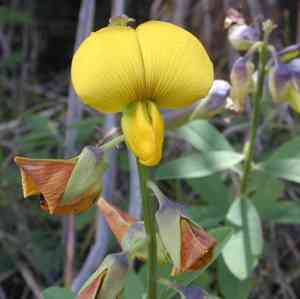
Lonicera tatarica, a resilient perennial shrub, needs infrequent trimming to preserve its form and stimulate robust development. Perform light pruning in early spring, precisely when new growth emerges, to eliminate any lifeless or compromised branches. Removing spent blossoms after their summer display can foster a subsequent wave of flowers. Refrain from extensive pruning; instead, concentrate on shaping and thinning to improve air movement. Strategic pruning guarantees vigorous health and plentiful flowering, showcasing Lonicera tatarica's hardiness and aesthetic value.
What Are the Benefits of Pruning Alpine French Honeysuckle?
What Are the Benefits of Pruning Alpine French Honeysuckle?
Trimming alpine French Honeysuckle is crucial for encouraging strong development and maintaining its form. Proper cutting can stimulate new, healthy shoots and manage the plant's size, ensuring a vigorous and attractive specimen.
What Is the Best Time for Pruning Alpine French Honeysuckle?
What Is the Best Time for Pruning Alpine French Honeysuckle?
Late Spring is the ideal period to begin pruning alpine French Honeysuckle, as it's after the last frost and when the plant starts its active growth. Pruning at this time helps promote new growth and shape the plant for the upcoming season. Early Summer is also suitable, especially after alpine French Honeysuckle has bloomed, to maintain its shape and size, and to remove any spent flowers. This timing ensures that pruning won't interfere with the plant's flowering, as alpine French Honeysuckle typically blooms in early summer, and potential new growth is not at risk of frost damage. It allows the plant to recover and develop new shoots during the long growing season ahead.
What Tools Do I Need to Prune Alpine French Honeysuckle?
Bypass Hand Pruners
These pruners create clean and precise cuts, vital for the delicate stems of alpine French Honeysuckle.
Garden Scissors
Small, sharp scissors allow for accurate snipping of alpine French Honeysuckle's thin and potentially intertwined stems.
Pruning Saw
A small, fine-toothed pruning saw can be utilized for more established branches of alpine French Honeysuckle, should the need arise to remove larger limbs.
How to Prune Alpine French Honeysuckle
Disinfect tools
Before pruning alpine French Honeysuckle, sterilize all pruning tools using a solution of one part bleach to nine parts water to prevent the spread of disease.
Remove diseased leaves
Carefully inspect alpine French Honeysuckle and prune any diseased leaves. Use sharp, clean shears to make a clean cut without tearing, which could further stress the plant.
Trim withered leaves
Identify and remove all withered leaves from alpine French Honeysuckle to improve air circulation and reduce the potential for disease. Make your cuts at the base of the leaves, close to the stem.
Prune diseased stems
Prune diseased stems from alpine French Honeysuckle by cutting at least several inches below the diseased portions into healthy tissue. Ensure a clean and straight cut to promote better healing.
Clean up
Dispose of all removed diseased leaves and stems from alpine French Honeysuckle to avoid reinfection. Clean up fallen debris around the plant base and dispose of them properly, preferably by burning or removing from the site.
Common Pruning Mistakes with Alpine French Honeysuckle
Over-Pruning
Removing too much growth from alpine French Honeysuckle in a single pruning session can stress the plant and lead to reduced vigor and flowering.
Improper Cutting Technique
Using dull tools or making rough, jagged cuts can harm alpine French Honeysuckle's stems, potentially leading to disease or poor regrowth.
Neglecting Tool Sanitation
Not cleaning pruning tools between uses can spread pathogens to alpine French Honeysuckle, risking infection and disease.
Pruning Healthy Wood
Unnecessarily cutting away healthy, productive parts of alpine French Honeysuckle may hinder its growth and flowering potential.
Common Pruning Tips for Alpine French Honeysuckle
Selective Thinning
Carefully remove selective interior stems of alpine French Honeysuckle to increase air circulation and light penetration, thus promoting healthy growth.
Shaping for Vigor
Gently shape alpine French Honeysuckle to maintain its natural form without excessively altering its structure to preserve the plant's strength and resilience.
Use of Sharp Tools
Employ clean, sharp pruning tools to make precise cuts that heal quickly, ensuring alpine French Honeysuckle's stems are not damaged in the process.
Healthy Growth Maintenance
Prune away dead or diseased wood to direct alpine French Honeysuckle's energy towards producing robust new growth and abundant flowers.



