How to Transplant Ragged marsh-elder?
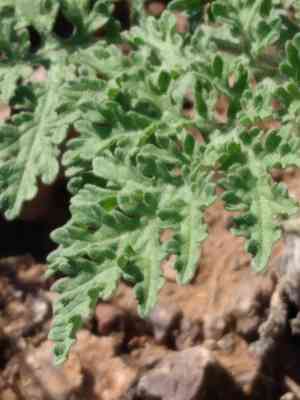
Iva annua flourishes when relocated from the beginning to the end of spring, benefiting from the moderate climate. Choose a bright spot with permeable earth to foster robust development. Verify that the chosen site is clear of other vegetation to maximize the chances of a successful transplant.
Essential Preparations Before Relocating Ragged Marsh-elder
Optimal Timing for Ragged Marsh-elder Relocation?
Relocating ragged marsh-elder, an annual species, is most effective from the beginning to the end of spring. This period provides ideal soil warmth and increased sunlight, fostering robust root establishment and development. Transplanting at this time minimizes shock and ensures ragged marsh-elder can fully benefit from the entire growing season, leading to flourishing, healthy plants.
Recommended Spacing Between Ragged Marsh-elder Plants?
When preparing to relocate ragged marsh-elder, ensure each plant is positioned 12-18 inches (30-45 cm) apart. This provides ample room for growth and promotes healthy air circulation.
Ideal Soil Blend for Ragged Marsh-elder Relocation?
For ragged marsh-elder, prepare a soil mixture that drains effectively. A combination of loamy soil with some organic compost is perfect. Incorporating a foundational fertilizer, such as a balanced 10-10-10 (N-P-K) blend, will supply vital nutrients.
Optimal New Location for Your Ragged Marsh-elder?
Relocate ragged marsh-elder to an area that receives ample sunlight. This annual plant thrives in spots that get at least 6-8 hours of direct sun daily.
Tools Required Before Relocating Ragged Marsh-elder?
Gardening Gloves
To safeguard your hands while handling soil and the plant.
Hand Trowel
For digging around the plant and extracting it from its initial spot.
Shovel or Spade
To excavate a hole in the ground for the relocation.
Watering Can
To hydrate the plant following its relocation.
Compost or Organic Mulch
To enrich the soil at the new planting site.
Method for Extracting Ragged Marsh-elder from its Current Soil?
Method for Extracting Ragged Marsh-elder from its Current Soil?
From Ground: First, moisten the soil surrounding the ragged marsh-elder plant. Then, using a hand trowel, carefully dig around the plant, taking care not to harm the root ball. Gently lift the plant from the ground, keeping the root system as intact as possible.From Pot: Water the pot thoroughly before removal. Grasp the base of the ragged marsh-elder plant and gently invert the pot, supporting the plant as it slides out. If necessary, lightly tap the pot's sides to loosen the soil. Ensure you hold the plant by its root ball, not its stems.From Seedling Tray: Water the seedling tray well. Use the edge of a small implement, like a pencil or plant marker, to carefully lift the ragged marsh-elder seedling from the tray, striving to disturb the roots as little as possible.
Step-by-Step Guide for Relocating Ragged Marsh-elder
Prepare the New Site
Dig a hole in the ground that is twice as wide and the same depth as the ragged marsh-elder plant's root ball.
Incorporate Compost
Mix compost or organic mulch into the soil at the base of the hole to provide essential nutrients.
Relocate
Position the ragged marsh-elder plant into the hole, ensuring the top of the root ball is level with the surrounding soil. Backfill the hole with soil, gently pressing it down around the roots to eliminate air pockets.
Water Thoroughly
Water the plant generously immediately after relocation to help the soil settle around the roots.
Apply Mulch
Spread a layer of organic mulch around the plant's base to help retain moisture and inhibit weed growth.
Post-Relocation Care for Ragged Marsh-elder
Watering
Maintain consistent moisture in the soil around the ragged marsh-elder, avoiding sogginess, for the initial weeks after relocation to aid in strong root development.
Monitoring
Regularly inspect the plant for indications of relocation shock, such as wilting or yellowing leaves, and adjust care as necessary.
Protection
Shield the newly relocated ragged marsh-elder from harsh weather conditions like strong winds or heavy rain by providing temporary cover if needed.
Pruning
If the ragged marsh-elder plant appears stressed, consider lightly trimming some foliage to reduce water demand and help the plant prioritize root growth.
Addressing Common Issues During Ragged Marsh-elder Relocation.
When is the optimal time to relocate ragged marsh-elder?
Early spring to late spring is ideal for relocating ragged marsh-elder.
What should be the spacing between relocated ragged marsh-elder?
Ragged marsh-elder should be spaced 12-18 inches (30-45 cm) apart.
How should soil be prepared for relocating ragged marsh-elder?
Ensure well-draining soil enriched with compost or organic matter for optimal growth.
How to prevent relocation shock in ragged marsh-elder?
Water ragged marsh-elder thoroughly after relocating and keep the soil consistently moist.
Should I fertilize ragged marsh-elder after relocating?
Wait two weeks after relocating, then use a balanced, slow-release fertilizer.
What are signs of relocation stress in ragged marsh-elder?
Wilting, yellowing leaves, or stunted growth can indicate relocation stress in ragged marsh-elder.
How deeply should ragged marsh-elder be planted in its new location?
Plant ragged marsh-elder at the same depth as it was in its original container.
Is mulching beneficial for relocated ragged marsh-elder?
Yes, mulching helps retain soil moisture and suppress weeds around ragged marsh-elder.
Can I relocate ragged marsh-elder on a windy day?
Avoid relocating on windy days to prevent drying out and damage to ragged marsh-elder.
How often should I water relocated ragged marsh-elder?
Water ragged marsh-elder thoroughly right after relocating and keep soil moist but not waterlogged.



