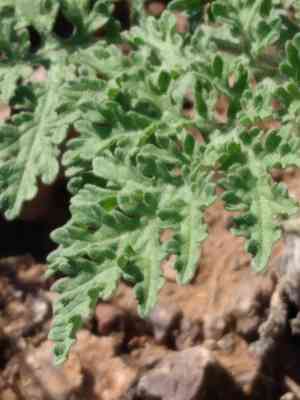
Ragged marsh-elder (Hedosyne ambrosiifolia)
Also known as: Ragweed, Western Ragweed
Hedosyne ambrosiifolia, commonly called ragged marsh-elder, is found in the southwestern United States, including southern Arizona, New Mexico, and western Texas. Its range also extends into northern Mexico, specifically in regions such as Chihuahua, Coahuila, Durango, Nuevo León, San Luis Potosí, Sonora, and Zacatecas.
In This Article
Attributes of Ragged marsh-elder
Lifespan
Annual
Plant Type
Herb
Plant Height
30-90 cm
Spread
30-60 cm
Leaf Color
Green
Flower Size
0.2-0.4 cm
Flower Color
Yellowish-green
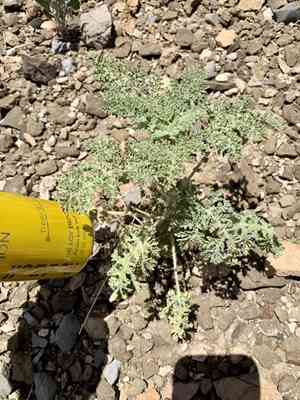
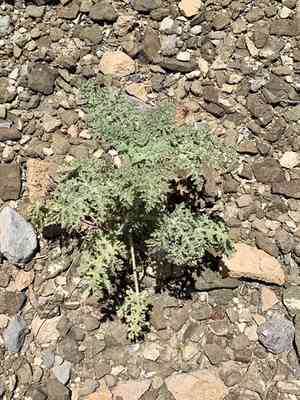
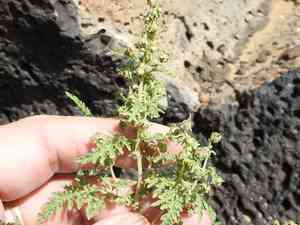
Images of Ragged marsh-elder
Quickly Identify Ragged marsh-elder
1
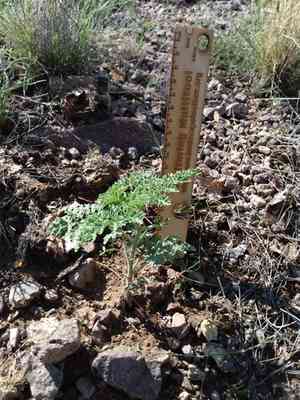
Hedosyne ambrosiifolia can be identified by its finely divided, hairy leaves that resemble those of Ambrosia (Ragweed) species. The plant produces small, yellowish-green flower heads that are often clustered together.
Scientific Classification of Ragged marsh-elder
Phylum
Vascular plants
Class
Dicotyledons
Order
Asterales
Family
Daisy
Genus
Marsh-elder
Species
Ragged marsh-elder
Planting and Growing of Ragged marsh-elder
Care Difficulty
Easy
Watering Schedule
Every 3 days
Sunlight Requirements
Full sun
Sunshine Duration
4-8 hours
Ideal Temperature
60-75℉
Soil Type
Potting Mix, Peat Mix
Soil pH
6.5-7.5
Fertilizer Type
Balanced
Pruning Season
Spring, Summer
Pruning Area
Branches, Leaves
Pruning Frequency
2 times a year
Repotting Season
Spring
Pot Type
Plastic, Ceramic
 How to Water Ragged marsh-elder?
For Hedosyne ambrosiifolia, aim to water with about 250 ml each time, ensuring the water reaches the roots, while avoiding waterlogging. A good rule of thumb is to water until you see just a bit of moisture seeping out of the drainage holes.
What are the symptoms of an underwatered Ragged marsh-elder?
›
What should I do if my Ragged marsh-elder is not getting enough water?
›
What are the symptoms of an overwatered Ragged marsh-elder?
›
How to save an overwatered Ragged marsh-elder?
›
 What Are the Sunlight Requirements for Ragged marsh-elder?
An ideal range for Hedosyne ambrosiifolia is between full sun and partial sun, thriving under 6-8 hours of sunlight. This light exposure promotes vigorous growth, abundant flowering, and overall vitality of the plant.
How much sunlight does it need?
›
What settings are ideal for planting?
›
Best practices to ensure ideal lighting?
›
 What Is the Ideal Temperature Range for Ragged marsh-elder?
For Hedosyne ambrosiifolia, the ideal temperature range falls between 60°F and 75°F. This range provides an optimal environment for photosynthesis and transpiration, promoting strong growth and blooming. Maintaining consistent temperatures within this range ensures the plant can perform effectively without thermal stress impacting cellular activities or overall health.
 What Soil is Best for Ragged marsh-elder?
Hedosyne ambrosiifolia thrives in well-drained soil that allows excess water to escape easily. This prevents root rot and ensures that the roots can access air and nutrients efficiently. A loamy soil enriched with organic matter supports this plant's growth by providing essential nutrients. A nutrient-rich environment leads to vibrant foliage and robust blooming. The soil pH for Hedosyne ambrosiifolia should be slightly acidic to neutral, ranging from 6.5 to 7.5. This pH range optimizes nutrient absorption, particularly for essential elements like phosphorus and potassium.
 How to Fertilize Ragged marsh-elder?
For Hedosyne ambrosiifolia, use a balanced 10-10-10 liquid fertilizer, diluted to half strength. Apply approximately 1 liter per square meter to avoid overfeeding while still supplying necessary nutrients.
 How to Prune Ragged marsh-elder?
Start by inspecting the plant to identify regions needing pruning. Cut back overgrown or leggy stems to a node or where you see new growth forming. Be sure to make clean cuts to encourage proper healing and to avoid ragged edges. To encourage a bushier appearance, prune the tips of the stems regularly. This will boost lateral growth and ensure a thicker, fuller foliage, which is desirable for ornamental purposes. Regular pruning creates an opportunity to check for signs of pests or disease. Remove any infested or diseased wood immediately and dispose of it properly to prevent spreading. Regular maintenance makes it easier to manage problems as they arise.
More About Pruning Techniques→
 How to Propagate Ragged marsh-elder plant?
1
Collect seeds from ripe flower heads and allow them to dry for a few days. This ensures better germination rates and reduces the chances of mold growth.
2
Sow the seeds in seed trays filled with a seed-starting mix. Cover them lightly with soil and water gently, ensuring the soil remains moist but not waterlogged.
3
Select healthy stems free of any disease signs. Cut a section of stem about 4-6 inches long just below a node for optimal rooting potential.
 How to Repot Ragged marsh-elder plant?
1
You should consider repotting Hedosyne ambrosiifolia when you notice roots protruding from the drainage holes or if its growth appears stunted. If the plant's foliage looks unhealthy or the soil is drying out too quickly, it’s a sign the plant needs more space. Generally, the ideal time to repot is during its active growth phase in spring or summer when the plant can recover quickly.
2
Selecting the appropriate pot for Hedosyne ambrosiifolia involves choosing a vessel slightly larger than the current one to accommodate growth but not too large, which can lead to overwatering issues. Ideally, the pot should have proper drainage to prevent waterlogged roots, ensuring healthy growth and vibrant foliage.
3
For Hedosyne ambrosiifolia, a well-draining sandy mix is preferred. This soil type keeps excess moisture at bay, preventing root rot and promoting aerial parts' robust development. The sand enables good aeration and stability, making it the perfect choice for this plant's optimum health.
Toxicity
ingestion
WARNING
The judgment on toxicity and danger is for reference only. We DO NOT GUARANTEE any accuracy of such judgment. Therefore, you SHALL NOT rely on such judgment. It is IMPORTANT TO SEEK PROFESSIONAL ADVICE in advance when necessary.
Learn More About Ragged marsh-elder Diseases
Anthracnose
Bacterial Leaf Spot
Bacterial Wilt
Chemical Injury
Crown Gall
Cyst Nematode
Damping-off
Downy Mildew
Drought Stress
Fusarium Wilt
Gray Mold
Leaf Curl
Leaf Spot
Mosaic
Nutrient Deficiency
Nutrient Toxicity
Powdery Mildew
Root Rot
Root-knot Nematode
Rusts
Sooty Mold
Spider Mites
Temperature Stress
Thrips Damage
White Mold



