How to Propagate Ragged marsh-elder?
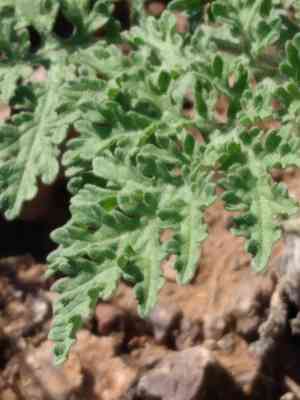
Iva frutescens flourishes when propagated using particular methods suited to its distinct developmental needs. The most effective propagation approach for guaranteeing successful establishment is direct seeding. Cultivators ought to prioritize utilizing newly harvested seeds and preparing an appropriate damp growing medium to stimulate sprouting. Meticulous handling and adequate spacing of seeds guarantee that the nascent plants possess ample area to develop strong root structures, which are crucial for vigorous growth in their native or cultivated environments.
Optimal Period for Propagating Ragged Marsh-elder
Propagation Method
Seeding
Propagation Period
Spring
Equipment Utilized in Ragged Marsh-elder Propagation
Seed trays
Seed trays are vital for initiating ragged marsh-elder's seeds indoors, offering a regulated setting crucial for germination. These trays aid in maintaining consistent soil moisture and temperature, key elements for ensuring successful seedling growth for ragged marsh-elder.
Seedling heat mat
A seedling heat mat boosts germination rates by sustaining a steady soil temperature, advantageous for ragged marsh-elder's seeds which need warmth to break dormancy and guarantee uniform development.
Vermiculite or perlite
Vermiculite or perlite is blended with the soil to improve aeration and drainage, creating an optimal growing medium for ragged marsh-elder's seeds by preventing waterlogging and fostering root health during the initial growth phases.
Fine mist spray bottle
A fine mist spray bottle is employed to gently hydrate ragged marsh-elder seedlings. It ensures the soil is damp without being excessively wet, lowering the risk of seedling ailments like damping-off which could otherwise harm new plants.
Fine sieve
A fine sieve is useful for uniformly spreading a thin layer of soil over ragged marsh-elder's seeds, which require light for optimal germination. This tool guarantees that the seeds receive sufficient light exposure without being buried too deeply.
How to Propagate Ragged Marsh-elder?
Propagation Type
Simple
How to Nurture Your Newly Propagated Ragged Marsh-elder?
How to Nurture Your Newly Propagated Ragged Marsh-elder?
Post-propagation, ragged marsh-elder needs consistent watering, especially during dry spells, to keep the soil moist but not waterlogged. It flourishes in partial to full sun and benefits from a balanced, slow-release fertilizer applied during its active growth phase. Monitor for pests and diseases, addressing them promptly with suitable horticultural methods. As the plant matures, it can withstand more environmental variations. Regular trimming helps maintain a compact and healthy growth habit.
Common Errors to Avoid When Propagating Ragged Marsh-elder
Overwatering
When propagating ragged marsh-elder, excessive watering can lead to root decay and impede the development of new roots. Overly damp soil fosters an environment conducive to fungal infections, which can severely affect young seedlings or cuttings.
Insufficient Light
Placing ragged marsh-elder in an area with inadequate sunlight during propagation can result in weak, elongated growth. This plant requires ample light to support the energy demands of new growth, making proper sunlight exposure crucial.
Using Unsterilized Tools
When cutting or handling ragged marsh-elder, using unsterilized tools can introduce pathogens to the cuttings or surrounding soil. This error can lead to infections, damaging plant tissue and reducing propagation success.
Planting Too Deep
Burying the stem or cutting of ragged marsh-elder too deeply can suffocate the plant tissues and hinder the emergence of new roots. Correct placement is essential for ensuring adequate air circulation and access to moisture.
Tips For Propagating Ragged Marsh-elder
Proper Soil Mix
Utilizing a well-draining soil mix ensures that ragged marsh-elder's roots receive the correct balance of moisture and air. A blend containing peat, perlite, and sand is often advantageous, providing the necessary drainage and support.
Appropriate Watering Technique
Maintaining a balance in soil moisture is crucial for ragged marsh-elder's growth. Water the plant thoroughly, allowing the top layer of soil to dry between watering sessions to promote healthy root development without over-saturation.
Using Healthy Parent Plant
For successful propagation, select healthy, disease-free portions of ragged marsh-elder for cuttings. This increases the chances of healthy growth and reduces the risk of transferring diseases to new plants.
Provide Sufficient Light
Ensure that ragged marsh-elder is exposed to adequate but indirect sunlight during the initial stages of propagation. This supports photosynthesis without causing the stress of direct, intense sunlight, which can be harmful to tender young plants.



