How to Transplant Alaska bellheather?
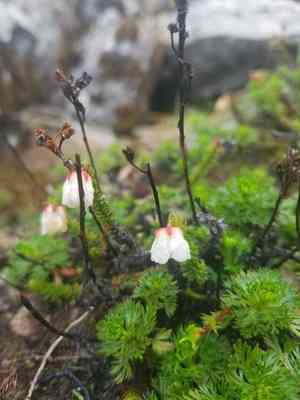
Alaska bellheather flourishes when relocated in the midst of its active growth period, spanning from the beginning to the end of summer. Select a spot that receives ample sunlight or partial shade, featuring soil that drains effectively, to guarantee peak development and vigor.
What Preparations are Necessary Before Relocating Alaska Bellheather?
When is the Best Time to Move Alaska Bellheather?
The prime window for relocating alaska bellheather spans from early summer through late summer. This timeframe ensures the plant is actively developing, allowing its root system to quickly settle into its new spot. Moving it during this period minimizes plant stress and promotes better adaptation and growth, resulting in a more robust and thriving alaska bellheather.
How Much Room Should Be Left Between Alaska Bellheather Plants?
When moving alaska bellheather, position plants 6-12 inches (15-30 cm) apart. This spacing guarantees ample room for growth without overcrowding.
What is the Optimal Soil Blend for Alaska Bellheather Relocation?
Prepare soil that drains well and is slightly acidic. Incorporate some compost or a balanced base fertilizer to supply nutrients. Alaska bellheather flourishes best in rich soil with substantial organic content.
Where Should Your Alaska Bellheather Be Replanted?
Alaska bellheather thrives in sunlight! Select a location that receives full sun to partial shade. Ensure the site gets at least 4-6 hours of sunlight daily.
What Tools Should You Prepare Before Transplanting Alaska Bellheather?
Gardening Gloves
To safeguard your hands while handling soil and alaska bellheather.
Shovel or Spade
For excavating around the plant and creating the new planting hole.
Trowel
For precise digging and managing smaller root structures.
Watering Can or Hose
To hydrate the plant before and after its relocation.
Pruning Shears
To trim any damaged or excessively long roots.
Wheelbarrow
To move the plant if necessary.
Mulch
To aid in moisture retention and regulate soil temperature in its new home.
How Do You Extract Alaska Bellheather from the Ground?
How Do You Extract Alaska Bellheather from the Ground?
From Ground: First, moisten the alaska bellheather plant's soil. Then, dig a wide trench around the plant using a shovel or spade, ensuring the plant's root ball remains intact. Carefully work the spade beneath the root ball to lift the plant from its original spot.From Pot: Gently invert the pot to remove the alaska bellheather plant, supporting the plant's base as it slides out. If the plant is stuck, lightly tap the pot's sides or use a trowel to loosen it.From Seedling Tray: Dampen the soil in the tray to facilitate removal. Use a trowel or your hands to carefully lift each alaska bellheather seedling, making sure to keep as much soil around the roots as possible.
Step-by-Step Guide for Relocating Alaska Bellheather
Prepare the New Location
Select a spot with adequate sunlight and ensure the soil drains well. Dig a hole slightly larger than the root ball of your alaska bellheather plant.
Trim Roots if Necessary
Inspect the roots; if they appear damaged or excessively long, use pruning shears to lightly trim them, which can stimulate new root development.
Position the Plant
Gently place the alaska bellheather plant into the new hole. Ensure the top of the root ball is level with the surrounding ground.
Backfill Soil
Fill the hole with soil, gently pressing around the plant's base to eliminate air pockets.
Water Thoroughly
Water the relocated alaska bellheather plant thoroughly to help settle the soil around the roots and provide immediate hydration.
Add Mulch
Apply a layer of mulch around the plant's base to help retain moisture and regulate soil temperature.
How Do You Care For Alaska Bellheather After Relocation?
Watering
Keep the soil around the alaska bellheather consistently moist, but not waterlogged, for the initial weeks post-transplant to aid in strong root establishment.
Monitoring
Regularly check the plant for indications of stress, such as wilting or yellowing leaves, and adjust care as needed.
Weeding
Keep the area surrounding the alaska bellheather plant free of weeds, as they can compete for nutrients and water.
Mulch Maintenance
Ensure the mulch layer remains around the plant, especially during dry periods, to help conserve soil moisture.
Troubleshooting Common Issues with Alaska Bellheather Relocation.
When is the best time to move alaska bellheather?
Relocate alaska bellheather from early summer to late summer for optimal growth and establishment.
What is the ideal spacing for moving alaska bellheather?
Position alaska bellheather 6-12 inches (15-30 cm) apart for best growth and air circulation.
How do I prepare the soil for alaska bellheather?
Ensure well-draining, slightly acidic soil. Mix in organic compost to enrich the soil.
How to minimize transplant shock for alaska bellheather?
Water the plant thoroughly after relocating and keep it shaded for a week to reduce shock.
What size should the transplant hole be for alaska bellheather?
Dig a hole twice the width and the same depth as the root ball of alaska bellheather.
Should I prune alaska bellheather when relocating?
Lightly prune any damaged or dead roots and foliage to promote healthy new growth.
How often should I water alaska bellheather after relocating?
Water alaska bellheather deeply every few days for the first few weeks to help establish roots.
Is mulching necessary after relocating alaska bellheather?
Mulch around alaska bellheather with organic material to retain moisture and suppress weeds.
How do I know if alaska bellheather is getting too much or too little water?
Yellow leaves indicate overwatering, while wilting leaves suggest underwatering. Adjust watering accordingly.
Should I fertilize alaska bellheather immediately after relocating?
Wait a few weeks before fertilizing alaska bellheather to avoid stressing the plant during establishment.



