How to Prune Alaska bellheather?
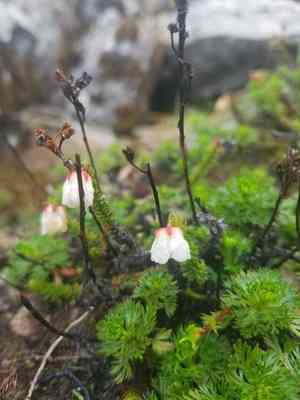
Alaska bellheather, recognized for its compact, ground-covering nature and vivid, campanulate blossoms, thrives with trimming in late winter or early spring. Snip off any deceased or impaired stems to foster vigorous development and preserve its form. Consistent trimming encourages thicker foliage and a greater profusion of flowers. Refrain from cutting excessively near the soil to avert harm to the root system. Appropriate pruning improves the plant's well-being and visual appeal, guaranteeing a sturdy and appealing garden feature.
What Are the Benefits of Pruning Alaska Bellheather?
What Are the Benefits of Pruning Alaska Bellheather?
Trimming aids alaska bellheather in vigorous growth and shape retention. By eliminating dead or crowded branches, gardeners foster robust development, enhance flowering, and improve the plant's overall look. Regular trimming also lowers vulnerability to pests and diseases, ensuring a strong and attractive plant.
What Is the Best Time for Pruning Alaska Bellheather?
What Is the Best Time for Pruning Alaska Bellheather?
Pruning alaska bellheather in early spring or late winter is recommended as it aligns with the plant's dormant phase. During this period, the plant is not actively growing, which minimizes stress and allows for more effective healing before new growth begins. Furthermore, pruning prior to the active growing season ensures alaska bellheather can develop strong, healthy new stems and foliage. These times also prevent disruption to the plant's flowering cycle, which typically occurs later in the growing season, guaranteeing optimal health and maximum bloom potential.
What Tools Do I Need to Prune Alaska Bellheather?
Hand Pruners
Perfect for clean cuts on small stems and branches, crucial for preserving the delicate structure of alaska bellheather.
Bypass Pruners
Deliver accurate and clean cuts without crushing stems, reducing disease risk and damage to alaska bellheather.
Pruning Shears
Excellent for shaping and trimming small, dense growth typical of alaska bellheather, ensuring a tidy appearance and healthy development.
Long-handled Loppers
Useful for reaching and cutting thicker branches that hand pruners might struggle with, without harming the plant's base.
Pruning Knife
Ideal for precise cuts and removing small, unwanted shoots, assisting in the accurate removal of dead or diseased parts of alaska bellheather.
How to Prune Alaska Bellheather
Inspect
Carefully examine alaska bellheather to identify and locate any diseased or withered leaves.
Tool Preparation
Clean and sterilize pruning shears to prevent the spread of disease.
Remove Diseased Leaves
Clip away any diseased leaves at their base, making sure to avoid cutting healthy tissues.
Trim Withered Leaves
Cut off withered leaves close to the stem, ensuring that no remaining parts are left attached.
Dispose Safely
Properly dispose of all trimmed leaves to avoid contaminating the rest of the garden or compost pile.
Common Pruning Mistakes with Alaska Bellheather
Over-pruning
Removing too much foliage can stress alaska bellheather, reducing its ability to photosynthesize effectively. This can lead to weakened growth and fewer blooms.
Wrong tools
Using dull or inappropriate cutting tools can cause ragged cuts and damage alaska bellheather's branches, making it more susceptible to disease.
Improper cutting technique
Making incorrect cuts, such as cutting too close to the main stem or leaving too long a stub, can hinder alaska bellheather's ability to heal properly.
Not sanitizing tools
Failing to clean pruning tools before use can transfer pathogens to alaska bellheather, increasing the risk of infection and disease spread.
Ignoring dead or diseased parts
Not removing dead, damaged, or diseased parts can lead to the spread of diseases and pests, severely affecting alaska bellheather's health.
Common Pruning Tips for Alaska Bellheather
Use sharp, clean tools
Ensure all pruning shears and loppers are sharp and sanitized to make clean cuts and avoid spreading diseases.
Prune sparingly
Remove only what is necessary to maintain alaska bellheather's shape and health. Focus on cutting dead, damaged, or diseased branches first.
Make precise cuts
Cut just above a healthy bud or branch junction to promote better healing and regrowth. This will help alaska bellheather maintain its natural form and encourage new growth.
Remove crossing branches
Eliminate branches that cross over each other, as they can rub together, causing wounds that invite diseases and pests.
Monitor plant health
Regularly inspect alaska bellheather for any signs of disease or pest infestation, and address these issues promptly through targeted pruning and appropriate treatments.



