How to Propagate Alaska bellheather?
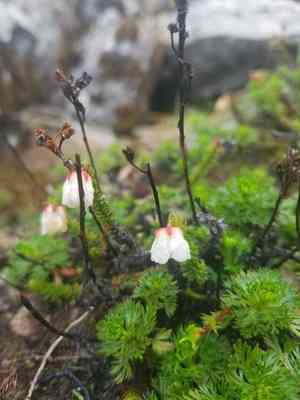
Alaska bellheather flourishes in chilly, damp settings, commonly encountered in mountainous and arctic zones. For propagation, plant seeds in a well-draining, acidic substrate, ensuring continuous hydration. Expose seeds to illumination for peak sprouting. Employing sanitized, sterile containers can enhance successful outcomes. Due to its inherent cold habitat, a period of cold stratification could prove advantageous. Focusing on soil pH and moisture levels is vital for robust development.
What Is the Best Time To Propagate Alaska Bellheather?
Propagation Type
Seeding
Propagation Season
Spring
What Tools Are Used in Alaska Bellheather Propagation?
Seed Trays
Seed trays are crucial for germinating alaska bellheather seeds. They offer a controlled setting for early growth, boosting germination rates and seedling development. Trays with individual cells help prevent root damage during transplanting.
Fine Seed Compost
A fine seed compost provides a balanced nutrient mix and good drainage. This is vital for the delicate seeds of alaska bellheather, promoting strong root growth and reducing the risk of damping-off disease.
Misting Bottle
A misting bottle allows for gentle hydration of seeds and young plants. Alaska bellheather seeds are sensitive to excessive moisture, and misting ensures proper hydration without displacement or waterlogging.
Propagation Dome
A propagation dome maintains consistent humidity and warmth around seed trays. This creates an ideal environment for alaska bellheather seeds to sprout, mimicking their natural habitat and encouraging quicker germination.
Heat Mat
A heat mat placed beneath seed trays can provide steady bottom heat, essential for alaska bellheather seed germination in cooler climates. The warmth stimulates root development and enhances germination success.
Label Markers
Label markers help keep track of planted seeds. Alaska bellheather may be sown alongside various species, and labeling ensures correct identification and appropriate care for each type.
Plastic Trowel
A small plastic trowel is useful for moving seedlings from trays to pots or garden beds. This tool helps minimize root disturbance, which is crucial for the healthy growth of alaska bellheather seedlings.
How to Propagate Alaska Bellheather?
Propagation Type
Simple
How to Care for Your Newly Propagated Alaska Bellheather?
How to Care for Your Newly Propagated Alaska Bellheather?
Once alaska bellheather seedlings emerge, position them in a spot with bright, indirect light. Gradually introduce them to outdoor conditions before moving them to their permanent location. Ensure the soil remains acidic and well-draining, providing moderate moisture without letting the soil completely dry out. Apply mulch around the base to retain moisture and protect roots. Regularly inspect for pests and diseases to maintain plant health.
Common Mistakes to Avoid When Propagating Alaska Bellheather
Overwatering
Excessive moisture can lead to root rot, a common problem for alaska bellheather, as it prefers well-drained soil conditions.
Improper Soil Mixture
Using heavy, clay-rich soil can impede root development and drainage, negatively impacting alaska bellheather's growth.
Incorrect pH Levels
Failure to maintain an acidic environment can hinder growth, as alaska bellheather thrives in acidic soils with a pH of 4.5 to 5.5.
Insufficient Light
Placing alaska bellheather in overly shaded areas can result in weak, elongated plants due to inadequate sunlight exposure.
Crowding
Planting alaska bellheather too closely together can lead to poor air circulation, increasing the risk of fungal diseases.
Tips For Propagating Alaska Bellheather
Use Well-Draining Soil
Ensure the soil mix contains sand or perlite to enhance drainage and mimic natural growing conditions.
Maintain Acidic pH
Incorporate peat moss or acidic compost to keep soil pH within the optimal range of 4.5 to 5.5.
Avoid Excess Water
Water sparingly, allowing the soil to dry out slightly between waterings to prevent root rot issues.
Provide Adequate Light
Place alaska bellheather in a location that receives full sun to partial shade for robust growth and abundant flowering.
Ensure Proper Spacing
Space plants appropriately to improve air circulation and reduce the likelihood of disease development.



