How to Transplant False broomweed?
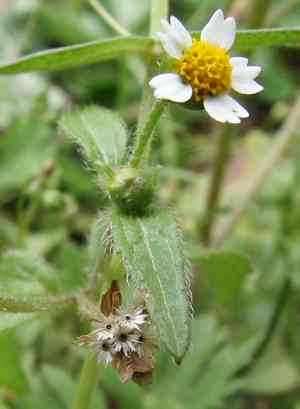
The ideal period for relocating false broomweed spans from the beginning to the end of spring, enabling the plant to develop its root system prior to the warmth of summer. Select a brightly lit location featuring soil that drains effectively to guarantee prime growth circumstances.
Essential Preparations Before Relocating False Broomweed?
What is the Optimal Period for Relocating False Broomweed?
False broomweed, a perennial, flourishes when moved from early to late spring. This timeframe aligns with ideal soil temperatures and moisture levels, encouraging root development prior to summer heat. Relocating false broomweed during this window ensures robust growth and resilience, maximizing survival rates and minimizing transplant shock.
What Spacing is Recommended Between False Broomweed Plants?
When relocating false broomweed, ensure each plant is spaced 12-18 inches (30-45 cm) apart. This provides ample room for growth and promotes good air circulation.
What is the Ideal Soil Mixture for False Broomweed Relocation?
Prepare well-draining soil with a slightly sandy or loamy consistency for false broomweed. Before relocating, incorporate some balanced slow-release fertilizer to provide a nutrient boost as the plants establish.
Where Should You Replant Your False Broomweed?
Select a site that receives full sunlight for at least 6 hours daily. False broomweed thrives best in bright, sunny locations, so ensure the area is not shaded by structures or larger vegetation.
What Tools Should You Prepare Before Relocating False Broomweed?
Gardening Gloves
To safeguard your hands while handling soil and the plant.
Shovel or Spade
To excavate around the plant and prepare the new planting site.
Trowel
For more precise digging and to aid in lifting the plant.
Watering Can or Hose
To hydrate the plant before and after relocation.
Mulch
To help retain soil moisture after relocation.
Stakes and Ties
To support the plant if it is tall or top-heavy.
How Do You Extract False Broomweed from the Ground?
How Do You Extract False Broomweed from the Ground?
From Ground: First, moisten the false broomweed plant to dampen the soil. Then, dig a wide trench around the plant using a shovel or spade, ensuring the plant's root ball remains intact. Carefully work the spade beneath the root ball to lift the plant from its original spot.From Pot: Gently tap the pot's sides to loosen the soil. Hold the plant's base and carefully slide it out of the pot, ensuring the root ball stays whole.From Seedling Tray: Use a trowel to gently lift the seedlings, taking care not to harm the roots. If roots are intertwined, carefully separate them.
Step-by-Step Guide for Relocating False Broomweed
Prepare the New Site
Ensure the new planting location is ready before you remove false broomweed from its initial spot. Dig a hole that is twice as wide and as deep as the plant's root ball.
Carefully Remove the Plant
Depending on the original location of false broomweed, follow the appropriate removal procedure outlined above.
Plant in the New Location
Place the plant in the new hole, ensuring the top of the root ball is level with the surrounding soil. Backfill the hole with soil, gently firming it around the plant's base.
Water Thoroughly
After planting, water the plant thoroughly to help settle the soil around its roots.
Apply Mulch
Spread a layer of mulch around the plant's base to help retain moisture and regulate soil temperature.
Support the Plant
If necessary, use stakes and ties to support the plant until it establishes strong roots in its new location.
How Do You Care For False Broomweed After Relocation?
Watering
Keep the soil around the false broomweed consistently moist, but not waterlogged, for the initial weeks after relocation to aid in root establishment.
Monitoring
Regularly inspect the plant for signs of distress, such as wilting or discolored foliage. Address any issues promptly to ensure healthy development.
Protection
Consider using a protective covering if severe weather conditions are anticipated soon after relocation.
Pruning
Trim any damaged or dead leaves or branches to help the plant direct its energy towards new growth.
Addressing Common Issues with False Broomweed Relocation.
When is the best time to relocate false broomweed?
Relocate false broomweed from early spring to late spring, late fall, or early to mid-winter.
How much space should I leave between false broomweed plants?
Maintain a spacing of 12-18 inches (30-45 cm) between false broomweed plants for optimal development.
How to prepare the soil for false broomweed relocation?
Ensure well-draining soil, enrich with compost for fertility, and remove any weeds beforehand.
What watering schedule should I follow after relocating false broomweed?
Water false broomweed deeply immediately after relocation, then maintain moderate moisture without saturating the soil.
What should I do if false broomweed wilts after relocating?
Provide temporary shade and ensure adequate watering to help false broomweed adjust.
What is the optimal depth for relocating false broomweed?
Plant false broomweed at the same depth it was previously growing, ensuring the root ball is fully covered.
How can I reduce relocation shock for false broomweed?
Relocate false broomweed during cooler parts of the day and add a rooting hormone to stimulate growth.
Should I fertilize false broomweed after relocating?
Use a balanced, slow-release fertilizer to support false broomweed's new growth after relocation.
How to protect false broomweed from pests after relocating?
Employ organic pest control methods like neem oil or insecticidal soap to safeguard false broomweed.
Can I successfully relocate mature false broomweed plants?
It's preferable to relocate younger false broomweed plants, but if mature ones must be moved, handle them with extra care.



