How to Propagate False broomweed?
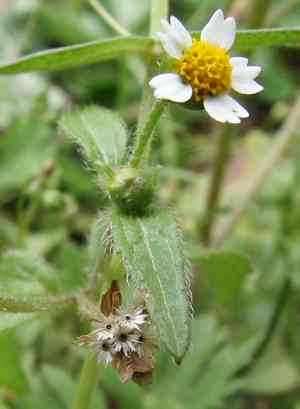
The propagation of False broomweed, a species within the Asteraceae family, is effectively achieved via seeding. Employ a growing medium that drains thoroughly and ensure the seeds are not embedded excessively deep, as this may impede their sprouting. Sufficient distance between individual seeds encourages robust development. Provide water judiciously yet regularly to prevent the decay of roots. To attain the best outcomes, sustain moderate temperatures and frequently observe hydration levels to aid the developing young plants.
Optimal Time for False Broomweed Propagation
Propagation Type
Sowing
Propagation Season
Spring
Tools for False Broomweed Propagation
Seed Trays
Seed trays offer a controlled setting for false broomweed seeds to sprout. They aid in uniform seed distribution and ensure ideal growth conditions like moisture and temperature regulation.
Seed Compost
Specialized seed compost provides false broomweed seeds with essential nutrients for healthy germination. Its fine texture supports root establishment and water retention.
Misting Bottle
A misting bottle is crucial for maintaining consistent moisture in the seed compost without oversaturation. This prevents delicate false broomweed seeds from dislodging or damage.
Heating Mat
A heating mat helps maintain a steady, warm temperature, which is ideal for false broomweed seed germination, encouraging quicker and more even sprouting.
Plant Labels
Plant labels assist in tracking different seed types and planting dates. This is especially useful for monitoring the growth stages and health of false broomweed seedlings.
Plastic Dome or Cover
A plastic dome or cover creates a miniature greenhouse effect over seed trays, preserving humidity and warmth, vital for false broomweed's germination process.
Sprouting Medium
A specific sprouting medium offers the correct density and air circulation to deter mold and ensure the healthy development of false broomweed seedlings.
Sterilized Containers
Using sterilized containers prevents the spread of diseases and pests that could harm fragile false broomweed seeds and seedlings during propagation.
Tweezers
Tweezers facilitate precise placement and handling of seeds, reducing the risk of damage to false broomweed seeds during planting.
Propagating False Broomweed
Propagation Type
Easy
Caring for Newly Propagated False Broomweed
Caring for Newly Propagated False Broomweed
Once seedlings have developed several true leaves, they can be moved to individual pots or a suitable outdoor spot. Keep the soil well-draining and avoid overwatering, as false broomweed prefers drier conditions. Provide full sun to partial shade and shield young plants from harsh weather. Regularly check for pests and diseases.
Common Propagation Mistakes for False Broomweed
Overwatering
Excessive moisture can lead to root rot, causing plant decay and propagation failure.
Choosing Poor Soil
Using poorly draining soil will result in waterlogged conditions, negatively impacting root development.
Ignoring Light Requirements
Insufficient light can hinder growth and impede successful propagation.
Improper Cutting Techniques
Dull tools or incorrect methods can harm the plant and decrease the chances of successful propagation.
Neglecting Pest Control
Failure to monitor and manage pests can lead to infestations, harming young plants.
Tips for Propagating False Broomweed
Use Well-Draining Soil
Choose a sandy or loamy soil mix to ensure proper drainage and prevent root rot.
Maintain Appropriate Moisture Levels
Keep the soil moist but not waterlogged to support root growth without causing decay.
Provide Adequate Sunlight
Ensure the plant receives full sun to promote healthy growth and establishment.
Use Sterile Cutting Tools
Always use sharp, sterile tools when taking cuttings to minimize damage and prevent disease.
Monitor and Manage Pests
Regularly inspect the plant for signs of pests and employ appropriate pest control measures.



