How to Transplant Oldham's baby's-breath?
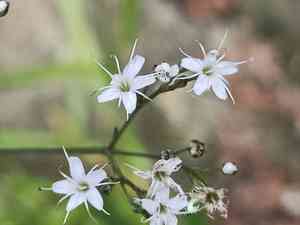
Oldham's baby's-breath flourishes when relocated during the mild seasons of early to mid-spring or mid to late fall. Select a bright, adequately draining spot for peak development. Exercise caution with the root system to minimize post-transplant stress.
Essential Preparations Before Relocating Oldham's Baby's-breath?
Optimal Period for Transplanting Oldham's Baby's-breath?
Oldham's baby's-breath is best moved from early to mid-spring or mid to late fall. These times offer mild temperatures and sufficient moisture, reducing shock and promoting root establishment. Transplanting oldham's baby's-breath during these seasons allows the perennial to acclimate better before summer heat or winter cold.
Recommended Spacing Between Oldham's Baby's-breath Plants?
When relocating oldham's baby's-breath, ensure plants are spaced 12-18 inches (30-45 cm) apart. This provides ample room for growth and air circulation, minimizing disease risk and ensuring each plant receives adequate nutrients.
Ideal Soil Blend for Oldham's Baby's-breath Transplanting?
For oldham's baby's-breath, prepare well-drained soil rich in organic matter. A sandy loam is perfect. Incorporate a phosphorus-rich base fertilizer, such as a 10-20-10 mix, to encourage root development, following package directions.
Where to Replant Your Oldham's Baby's-breath?
Select a site for oldham's baby's-breath that receives full sunlight. This means at least 6-8 hours of direct sun daily. Adequate sunlight helps the plant flourish and produce abundant blooms, enhancing your garden's vibrancy.
What Tools Are Needed Before Relocating Oldham's Baby's-breath?
Gardening Gloves
To safeguard your hands while handling soil and plants.
Shovel or Spade
For digging up the plant and preparing the new planting site.
Trowel
For precise digging and adjusting soil around the plant.
Watering Can or Hose
To hydrate the plant before and after its move.
Pruning Shears
To trim any damaged roots or stems during the relocation.
Support Stakes
To offer stability to the newly transplanted plant if required.
How to Extract Oldham's Baby's-breath from the Ground?
How to Extract Oldham's Baby's-breath from the Ground?
From Ground: Moisten the soil around the oldham's baby's-breath plant. Dig a wide trench around the plant using a shovel or spade, keeping the root ball intact. Carefully work the spade beneath the root ball and lift the plant from its original spot.From Pot: Water the oldham's baby's-breath plant thoroughly to aid its release from the container. Hold the plant's base and gently tap or squeeze the pot's sides to loosen the soil. Slide the plant out, ensuring the root ball remains whole.From Seedling Tray: Water the oldham's baby's-breath plant to moisten the soil. Use a trowel to carefully lift the seedling from the tray, ensuring roots and surrounding soil stay intact. Handle the seedling gently to prevent harm.
Detailed Steps for Transplanting Oldham's Baby's-breath
Site Preparation
Prepare the new planting area by digging a hole twice as wide and as deep as the plant's root ball. Loosen the soil at the bottom of the hole to facilitate root penetration.
Plant Placement
Position the oldham's baby's-breath plant in the hole, ensuring it sits at the same depth as its previous location. Gently spread the roots outwards to encourage growth.
Backfilling
Fill the hole halfway with soil, pressing gently to eliminate air pockets. Water the plant thoroughly before adding the remaining soil. Finish filling the hole and press down gently to secure the plant.
Support
If needed, place support stakes around the plant to provide stability until it develops strong roots.
Post-Transplant Care for Oldham's Baby's-breath
Watering
Maintain consistent moisture in the soil around oldham's baby's-breath, avoiding sogginess, for the initial weeks after transplanting to aid root establishment.
Mulching
Apply a layer of mulch around the plant's base to help retain moisture, regulate soil temperature, and reduce weed competition.
Monitoring for Stress
Observe the plant for signs of transplant shock, such as wilting or yellowing leaves. If observed, provide extra water and shade if necessary.
Gentle Pruning
Trim any damaged or diseased parts of the plant to promote healthy new growth.
Addressing Common Issues During Oldham's Baby's-breath Transplantation.
When is the best time to transplant oldham's baby's-breath?
Early to mid-spring or mid to late fall is ideal for relocating oldham's baby's-breath.
How should I prepare the new planting site for oldham's baby's-breath?
Ensure the soil is well-draining and enriched with compost before moving oldham's baby's-breath.
What spacing should I maintain for transplanting oldham's baby's-breath?
Space each plant 12-18 inches (30-45 cm) apart for optimal development.
How can I reduce transplant shock in oldham's baby's-breath?
Water thoroughly before and after transplanting and initially provide shade to lessen transplant shock.
What is the ideal soil type for transplanting oldham's baby's-breath?
Sandy, well-draining soil with a slightly alkaline pH is best for oldham's baby's-breath.
How deep should I plant oldham's baby's-breath during transplantation?
Plant oldham's baby's-breath at its original growing depth to prevent stem rot.
What should I do if oldham's baby's-breath wilts after transplanting?
Keep the soil consistently moist but not waterlogged to encourage recovery from wilting.
How much sunlight does oldham's baby's-breath need after transplanting?
Provide oldham's baby's-breath with full sun to partial shade, about 6 hours of daily sunlight.
How soon should I fertilize oldham's baby's-breath after transplanting?
Wait approximately 3-4 weeks after transplanting before fertilizing oldham's baby's-breath to avoid root burn.
Can I transplant oldham's baby's-breath during hot summer months?
Avoid transplanting during hot summer months to reduce the risk of transplant shock.



