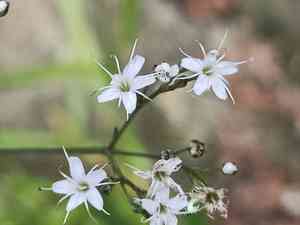
Oldham's baby's-breath (Gypsophila oldhamiana)
Also known as: Oldham's Gypsophila
*Dianthus caryophyllus*, commonly known as the carnation, is a flowering plant in the Caryophyllaceae family.
In This Article
Attributes of Oldham's baby's-breath
Lifespan
Perennial
Plant Type
Herb
Plant Height
1 m
Spread
60 cm to 90 cm
Leaf Color
Green
Flower Size
2.5 cm
Flower Color
White Pink
Images of Oldham's baby's-breath
Quickly Identify Oldham's baby's-breath
1
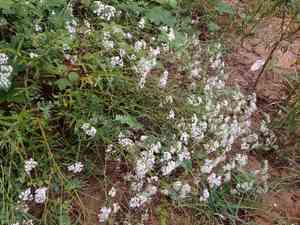
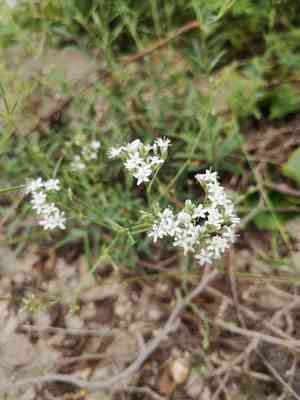
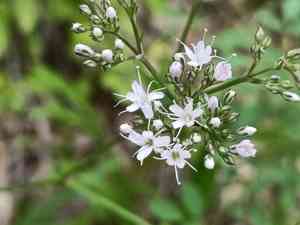
Identifying Gypsophila oldhamiana can be achieved by observing its small white flowers arranged in loose panicles, linear to lanceolate leaves with smooth edges, and its overall bushy appearance.
Scientific Classification of Oldham's baby's-breath
Phylum
Vascular plants
Class
Dicotyledons
Order
Caryophyllales
Family
Pink
Genus
Baby's-breath
Species
Oldham's baby's-breath
Planting and Growing of Oldham's baby's-breath
Care Difficulty
Easy
Watering Schedule
Every 3 days
Sunlight Requirements
Partial sun
Sunshine Duration
4-8 hours
Ideal Temperature
65-75℉
Soil Type
Potting Mix, Peat Mix
Soil pH
6.5-7.5
Fertilizer Type
Balanced
Pruning Season
Spring, Summer
Pruning Area
Branches, Leaves
Pruning Frequency
2 times a year
Repotting Season
Spring
Pot Type
Plastic, Ceramic
 How to Water Oldham's baby's-breath?
Gypsophila oldhamiana prefers to be watered thoroughly with about 250 ml each time, ensuring that the soil is evenly moist but not waterlogged. Always check the top inch of soil before watering; it should feel dry to the touch. The goal is to mimic its natural environment by providing sufficient moisture to sustain its growth without drowning the roots.
What are the symptoms of an underwatered Oldham's baby's-breath?
›
What should I do if my Oldham's baby's-breath is not getting enough water?
›
What are the symptoms of an overwatered Oldham's baby's-breath?
›
How to save an overwatered Oldham's baby's-breath?
›
 What Are the Sunlight Requirements for Oldham's baby's-breath?
Half-day sunlight is ideal for Gypsophila oldhamiana, promoting healthy growth and abundant flowering. Adequate light supports its photosynthetic processes, ensuring vitality and resilience against pests and diseases.
Optimal Sun Exposure Duration
›
Ensuring Proper Light Positioning
›
Benefits of Adequate Lighting
›
 What Is the Ideal Temperature Range for Oldham's baby's-breath?
The ideal temperature range for Gypsophila oldhamiana is between 65°F and 75°F. This range supports optimal growth conditions, ensuring the plant develops healthy foliage and blossoms profusely. Keeping the plant within these temperatures helps it maintain its vigor and growth rate.
 What Soil is Best for Oldham's baby's-breath?
Gypsophila oldhamiana thrives best in well-drained soil to prevent root rot. Having loose soil allows excess water to drain away quickly, preventing waterlogging and ensuring that the roots have access to essential air and nutrients. This is vital for the healthy growth and blooming of the plant. This plant benefits from a nutrient-rich medium that can support its fast growth rate. Loamy soil, which offers a splendid balance of sand, silt, and clay, provides a fertile foundation that enriches the plant with necessary nutrients like nitrogen, phosphorus, and potassium. Gypsophila oldhamiana prefers a slightly alkaline soil pH ranging from 6.5 to 7.5. This pH level is optimal for nutrient availability and encourages robust growth. Ensuring the soil remains within this pH range helps the plant receive the nutrients it needs efficiently.
 How to Fertilize Oldham's baby's-breath?
For Gypsophila oldhamiana, ensure a balanced nutrient supply with a 10-10-10 NPK liquid fertilizer. Use approximately 1/4 to 1/2 teaspoon per gallon of water, adjusting based on plant response for optimal growth.
 How to Prune Oldham's baby's-breath?
Start with removing any dead or diseased stems. These are often discolored or brittle. Removing them helps prevent the spread of disease and encourages healthier growth. Trim to shape the plant for aesthetics and size management. Carefully cut back any leggy or unruly growth to maintain a compact and tidy appearance, enhancing the plant’s natural form. Once flowering has stopped, cut back stems by about a third. This encourages new growth and prepares the plant for the next blooming cycle, maximizing its flowering potential.
More About Pruning Techniques→
 How to Propagate Oldham's baby's-breath plant?
1
For both seeds and cuttings, preparing the right growing medium is crucial. Use a well-drained potting mix or a mix of sand and peat moss for optimal root development. Ensure the medium is moist but not waterlogged.
2
Sow Gypsophila oldhamiana seeds in seed trays filled with prepared potting mix. Cover lightly with soil, as seeds need light to germinate. Maintain consistent moisture and place trays in a warm location.
3
Take 4-6 inch healthy stem cuttings from non-flowering shoots in early spring. Remove lower leaves and dip cut ends in rooting hormone for enhanced root development before planting them into the growing medium.
 How to Repot Oldham's baby's-breath plant?
1
Gypsophila oldhamiana needs repotting when its roots begin to outgrow the current container, which could be seen through drainage holes or circling the pot's edges. Additionally, if its growth has slowed or the plant becomes top-heavy, it’s time to consider a change. Spring and Autumn offer the best conditions, as they allow the plant to establish in its new environment without the intense heat of summer or the dormancy of winter.
2
Selecting the right pot is crucial for Gypsophila oldhamiana's health. Opt for a pot that's 1-2 inches larger in diameter than the current one. Ensure it has drainage holes to prevent waterlogging, which can lead to root rot. A breathable material like terracotta is ideal as it allows excess moisture to evaporate, keeping the roots from becoming waterlogged.
3
The perfect soil mix for repotting Gypsophila oldhamiana is one that mimics its natural habitat. A well-draining sandy loam is optimal, providing necessary aeration while retaining some moisture. This type of soil prevents root rot and supports the plant's nutrient uptake, encouraging robust and healthy growth.



