How to Propagate Oldham's baby's-breath?
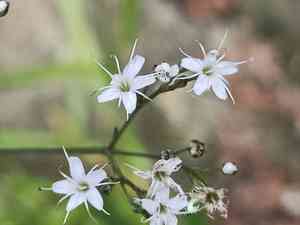
Oldham's baby's-breath flourishes most effectively when reproduced via cuttings. Begin by choosing a robust stem and execute a precise incision. Submerge the tip in rooting compound to stimulate root formation prior to potting in a well-aerated substrate. Confirm the cutting remains damp and in diffused illumination until roots are firmly established.
Optimal Time for Oldham's Baby's-breath Propagation
Propagation Method
Cutting
Propagation Period
Spring,Summer
Tools Required for Oldham's Baby's-breath Propagation
Sharp Pruning Shears
These are vital for making clean, precise cuts on oldham's baby's-breath. A sharp, disinfected blade ensures a neat incision, reducing harm to the parent plant and minimizing infection risk. For oldham's baby's-breath, this accuracy is key to prevent stem crushing or fraying, which can impede rooting.
Rooting Hormone Powder
This promotes quicker root formation from oldham's baby's-breath cuttings. Dipping the stem's cut end into rooting hormone significantly boosts the chances of successful root growth. This is especially beneficial for oldham's baby's-breath, enhancing its ability to rapidly establish a strong root system, crucial for transplant resilience.
Sterile Potting Mix
A high-quality, sterile potting mix offers a clean, controlled setting for oldham's baby's-breath cuttings to root. It helps ward off fungal and bacterial diseases that could thrive in less sterile conditions and harm delicate new roots. The mix should drain well yet retain enough moisture, suiting oldham's baby's-breath's hydration needs.
Propagation Trays and Domes
These tools help maintain the necessary humidity and temperature for oldham's baby's-breath cuttings to root. Domes also shield fragile cuttings from external stressors like intense sunlight and wind. The controlled environment ensures young oldham's baby's-breath roots can develop without stress, vital for their survival and growth.
Heat Mats
These provide consistent warmth from below, which can stimulate root development in oldham's baby's-breath during the rooting phase. Maintaining a stable, warm temperature in the rooting medium encourages faster, healthier root growth, essential for oldham's baby's-breath's successful establishment after transplanting.
How to Propagate Oldham's Baby's-breath?
Propagation Type
Easy
Caring for Your Newly Propagated Oldham's Baby's-breath
Caring for Your Newly Propagated Oldham's Baby's-breath?
Once roots are established, gradually lower humidity and move the plant to its regular growing environment. Position oldham's baby's-breath where it receives full sun to partial shade. Water consistently to keep the soil uniformly moist, but ensure good drainage to prevent waterlogging. Fertilize monthly with a balanced liquid feed during the active growth period. Monitor for pests and diseases, treating as needed to maintain plant health.
Common Errors to Avoid When Propagating Oldham's Baby's-breath
Overwatering during propagation
Excess moisture can lead to root rot or fungal infections, severely impeding root development and the overall health of oldham's baby's-breath.
Using unsterilized soil or tools
Contaminated materials can introduce pathogens, causing disease outbreaks that jeopardize propagation efforts.
Incorrect cutting selection
Choosing old or diseased stems instead of healthy, vigorous ones can result in poor rooting and weak growth for oldham's baby's-breath.
Neglecting initial care
Failing to provide a stable environment during the early propagation stages can stress oldham's baby's-breath, impacting successful rooting and growth.
Tips For Propagating Oldham's Baby's-breath
Use well-draining propagation mix
Allows excess water to escape, preventing root diseases while providing sufficient moisture for oldham's baby's-breath's growth.
Sterilize propagation tools and mediums
Minimizes disease risk, which is crucial for the healthy development of new plants.
Select healthy parent plants
Choosing robust, disease-free stems increases the likelihood of successful propagation. Cuttings should come from vigorous parts of the plant.
Provide indirect light and stable temperatures
Creates an optimal growth environment, helping oldham's baby's-breath establish roots and new growth without the stress of direct sunlight or fluctuating temperatures.



