How to Transplant Asian oakfern?
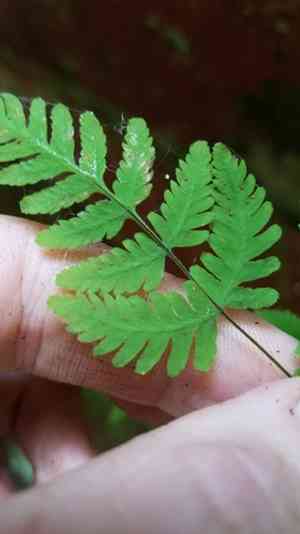
Asian oakfern flourishes when relocated from mid-spring to early summer, benefiting from ideal soil temperature and humidity. Place this enduring plant in partially shaded, adequately drained locations for optimal growth.
Essential Preparations Before Relocating Asian Oakfern?
Optimal Period for Relocating Asian Oakfern?
Asian oakfern flourishes when moved in mid to late spring or early summer. This timeframe supports prime root development during mild weather, ensuring better plant establishment and minimizing transplant shock. Shifting asian oakfern during these periods encourages robust growth and maximizes the perennial's potential to thrive in its new spot.
Required Spacing Between Asian Oakfern Plants?
When relocating asian oakfern, it's best to position them approximately 12-18 inches (30-45 cm) apart. This spacing provides ample room for healthy growth and ensures good air circulation.
Ideal Soil Blend for Asian Oakfern Relocation?
Prepare well-draining soil abundant in organic material for asian oakfern. You can mix compost or aged manure into the soil to supply essential nutrients. Aim for a pH range of 6.0-7.5.
Where to Replant Your Asian Oakfern?
Asian oakfern prefers partial to full shade. Select a site that receives filtered sunlight throughout the day or a location with morning sun and afternoon shade to mimic its natural environment.
Equipment to Prepare Before Relocating Asian Oakfern?
Gardening Gloves
To safeguard your hands while handling soil and plants.
Shovel or Spade
For excavating around the plant and preparing the new planting site.
Watering Can or Hose
For hydrating the plant before and after its move.
Wheelbarrow
Useful for moving the plant if it's large or the distance is significant.
Pruning Shears
To trim any damaged roots or foliage as needed.
Compost or Organic Mulch
For enriching the soil and mulching to retain moisture.
How to Extract Asian Oakfern from the Ground?
How to Extract Asian Oakfern from the Ground?
From Ground: First, hydrate the asian oakfern plant to moisten the soil. Then, excavate a wide trench around the plant using a shovel or spade, ensuring the plant's root ball remains intact. Carefully work the spade beneath the root ball to lift the plant from its original spot.From Pot: Gently tilt the pot on its side while supporting the plant's base. Tap the bottom of the pot to loosen the soil and roots. Slide the plant out, being careful not to harm the roots.From Seedling Tray: Water the seedlings prior to removal. Use a small tool or your hands to gently loosen the soil around the seedlings. Lift the seedlings by their leaves, not their stems, to prevent damage.
Step-by-Step Guide for Relocating Asian Oakfern
Prepare New Site
Select and prepare the new location for your asian oakfern plant by clearing away any weeds or debris. Dig a hole that is twice as wide and the same depth as the plant's root ball.
Improve Soil
If necessary, enhance the soil with compost or organic matter to boost its quality.
Move Plant
Position the asian oakfern plant in the center of the hole. Ensure the top of the root ball is level with or slightly above the ground surface.
Backfill and Firm Soil
Gently backfill the hole with the excavated soil, pressing lightly around the root ball to eliminate air pockets. Be careful not to over-compact the soil.
Water Thoroughly
Water the asian oakfern plant thoroughly to help settle the soil and provide moisture to the roots. Ensure the water penetrates deep into the root zone.
Post-Relocation Care for Asian Oakfern?
Watering
Keep the soil around the asian oakfern consistently moist, but not waterlogged, for the initial weeks after relocation to aid in establishing strong roots.
Mulching
Apply a layer of organic mulch around the plant's base to retain moisture, regulate soil temperature, and suppress weed growth.
Monitoring
Regularly inspect the plant for signs of stress or pests, and address any issues promptly.
Pruning
Remove any dead or damaged leaves to encourage healthy growth and reduce plant stress.
Fertilizing
Wait until the plant has developed new growth before applying any fertilizer to prevent root burn.
Resolving Common Asian Oakfern Relocation Issues.
When is the best time to move asian oakfern?
Relocate asian oakfern during mid to late spring or early summer for optimal results.
How much space should I allow between each asian oakfern?
Ensure each asian oakfern is spaced 12-18 inches (30-45 cm) apart for adequate growth.
What soil type is ideal for asian oakfern?
Asian oakfern prefers well-draining, slightly acidic to neutral soil, rich in organic matter.
How can I prevent transplant shock for asian oakfern?
Water asian oakfern thoroughly before and after relocation, and mulch to retain moisture.
How deep should I plant asian oakfern when relocating?
Plant asian oakfern at its previous growing depth to avoid stress.
Should I prune asian oakfern before relocating?
Light pruning can help reduce water loss, but avoid severe pruning to prevent shock.
How much water should asian oakfern receive after relocating?
Keep the soil consistently moist, but not waterlogged, until asian oakfern establishes itself.
What if asian oakfern wilts after relocating?
Provide extra water and shade to aid its recovery from transplant stress.
Can I use fertilizer when relocating asian oakfern?
Incorporate compost into the soil but avoid strong fertilizers immediately to prevent root burn.
How can I improve drainage for asian oakfern?
Add organic matter or sand to the soil, or plant asian oakfern on a slight mound.



