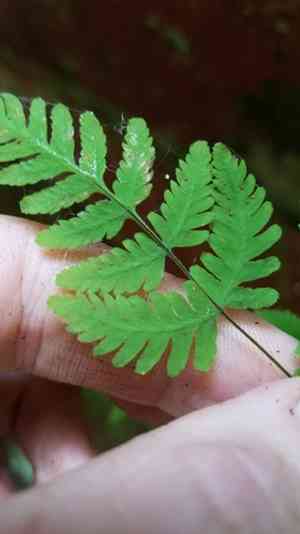
Asian oakfern (Gymnocarpium jessoense)
Also known as: Jesso Fern
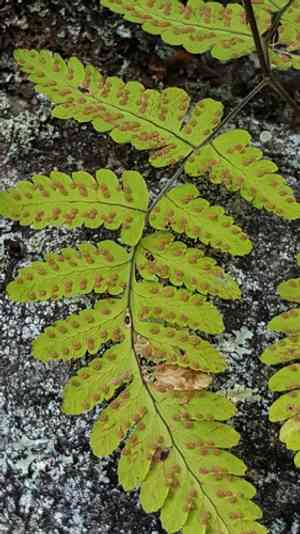
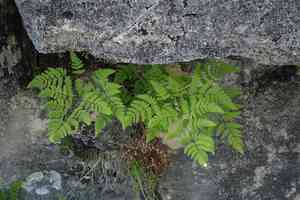
The Asian oakfern is a delicate plant featuring triangular, light green fronds that thrive in cool, shaded, and moist environments. Its finely divided leaflets give it a lacy, airy look. The spores are located on the underside of these leaflets in exposed clusters, reflecting the species' name which hints at 'naked fruit.' This fern prospers in the dappled light of temperate forest understories, highlighting its need for humid, cool conditions.
In This Article
Attributes of Asian oakfern
Lifespan
Perennial
Plant Type
Herb
Plant Height
10 cm to 38 cm
Spread
20-50 cm (8-20 inches)
Leaf Color
Light Green
Flower Size
N/A
Flower Color
N/A
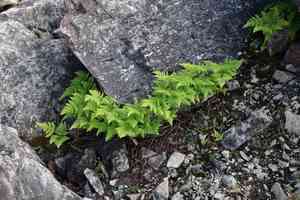
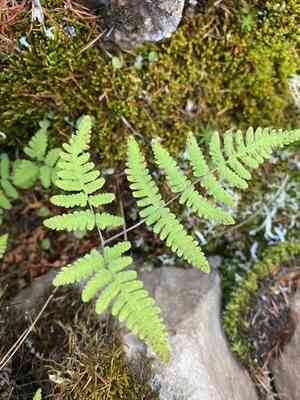
Images of Asian oakfern
Quickly Identify Asian oakfern
1
To identify Gymnocarpium jessoense, look for its light green, triangular fronds that are typically 10-30 cm (4-12 inches) long. The fronds are bipinnate with fine, lacy leaflets. The leaf stalks are slender and wiry, and the plant forms small, creeping clumps.
Scientific Classification of Asian oakfern
Phylum
Vascular plants
Class
Ferns
Order
Polypodiales
Family
Cystopteridaceae
Genus
Oak ferns
Species
Asian oakfern
Planting and Growing of Asian oakfern
Care Difficulty
Moderate
Watering Schedule
Every 2 days
Sunlight Requirements
Partial sun
Sunshine Duration
4-8 hours
Ideal Temperature
60-75℉
Soil Type
Potting Mix, Peat Mix
Soil pH
6-7.5
Fertilizer Type
Balanced
Pruning Season
Spring, Summer
Pruning Area
Branches, Leaves
Pruning Frequency
2 times a year
Repotting Season
Spring
Pot Type
Plastic, Ceramic
 How to Water Asian oakfern?
When watering Gymnocarpium jessoense, aim for 250 milliliters per session. This plant prefers moist but not soggy soil, so ensure water seeps into the soil until excess moisture drains out the bottom. This simulates the natural soaking it would receive from rain in its native habitat.
What are the symptoms of an underwatered Asian oakfern?
›
What should I do if my Asian oakfern is not getting enough water?
›
What are the symptoms of an overwatered Asian oakfern?
›
How to save an overwatered Asian oakfern?
›
 What Are the Sunlight Requirements for Asian oakfern?
Gymnocarpium jessoense thrives under partial sun and full shade conditions, ideally receiving 3 to 6 hours of indirect sunlight daily. Proper lighting encourages optimal growth and maintains the plant's vibrant appearance.
Question 1: What is the best location for ideal lighting?
›
Question 2: How can I simulate ideal lighting conditions indoors?
›
Question 3: What are the benefits of achieving ideal lighting?
›
 What Is the Ideal Temperature Range for Asian oakfern?
For optimal growth, Gymnocarpium jessoense ideally thrives in temperatures between 60°F and 75°F. This range provides an ideal balance that supports its physiological processes, ensuring healthy foliage and root development. Ensuring temperatures remain within this bracket facilitates not only growth but also increases resistance to common pests and diseases.
 What Soil is Best for Asian oakfern?
Gymnocarpium jessoense thrives in well-draining soil. This ensures that the roots do not sit in water, preventing root rot and fungal diseases, which can be detrimental to the plant’s health and growth. While it requires well-draining soil, it also benefits from a soil that can retain some moisture. This dual requirement helps maintain a balance, providing the plant with the necessary hydration without waterlogging. A soil rich in organic matter provides essential nutrients to Gymnocarpium jessoense. It supports robust growth and helps maintain soil structure, offering a nurturing environment for optimal development.
 How to Fertilize Asian oakfern?
Gymnocarpium jessoense prefers a light feeding to prevent nutrient burn. Use a diluted liquid fertilizer with a concentration of 1/2 strength during the growing season. Slow-release pellets should be used sparingly, ensuring not to overwhelm the plant’s delicate root system.
 How to Prune Asian oakfern?
Begin by gathering clean, sharp pruning shears which are crucial for making smooth cuts that minimize damage. Before starting, inspect your Gymnocarpium jessoense for any yellowing or damaged fronds, as these should be the first to go. Ensure that your tools are sanitized to prevent any potential disease transmission to the plant. Focus on trimming away any fronds that appear brown, wilted, or have outgrown the plant's desired shape. Using your shears, make precise cuts at the base of the affected frond, avoiding any main stems to encourage new, healthy growth. This helps the plant direct energy to thriving fronds.
More About Pruning Techniques→
 How to Propagate Asian oakfern plant?
1
Before starting, thoroughly water the parent plant a day before division. This ensures the roots are well-hydrated, making it easier to separate them without causing stress or damage.
2
Gently dig around the base of the plant to expose the rhizomes. Use a spade to divide the clump into smaller sections, ensuring each section has several healthy fronds and a robust root system.
3
Replant the divisions promptly in well-draining soil rich in organic matter. Position them at the same depth as they were originally growing to prevent shock and promote new growth.
 How to Repot Asian oakfern plant?
1
Repot when growth slows or roots protrude from drainage holes. This fern indicates its need for repotting through yellowing fronds or a tightly wound root ball, which are signs that the current pot is too small.
2
Choose a pot one size larger with drainage holes. A slightly larger pot allows the roots to spread, which enhances water uptake and nutrient acquisition, ultimately fostering healthier plant growth.
3
Opt for loamy, well-draining soil. This type of soil balances moisture retention and drainage, providing the roots with ample oxygen and reducing the risk of root rot, crucial for ferns like Gymnocarpium jessoense.



