How to Prune Asian oakfern?
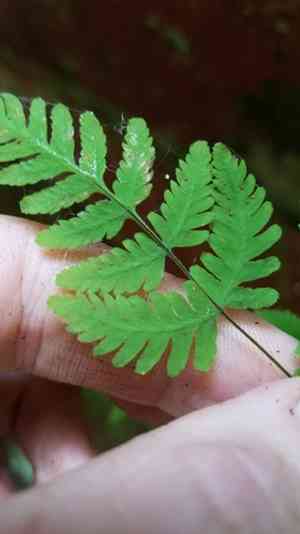
This fern, recognized for its fine, intricate leaves, flourishes most effectively with limited trimming. Essential trimming techniques involve eliminating withered or compromised fronds to foster robust development. The ideal periods for trimming are during spring and summer, aligning with its peak growth phase. Consistent trimming aids in averting ailments and stimulates energetic growth, thereby improving the plant's general look. Always employ disinfected trimming implements to prevent the introduction of harmful microorganisms.
What Are the Benefits of Pruning Asian Oakfern?
What Are the Benefits of Pruning Asian Oakfern?
Asian oakfern thrives with trimming, which encourages robust development and maintains its form. Pruning aids in eliminating dead or ailing fronds, improving air circulation and lessening vulnerability to pests and diseases, ensuring the plant stays healthy and visually appealing.
What Is the Best Time for Pruning Asian Oakfern?
What Is the Best Time for Pruning Asian Oakfern?
Trimming or cutting asian oakfern during the spring and summer seasons aligns with its growth cycle and health maintenance. In spring, asian oakfern begins its active growth phase, making it the ideal time to encourage robust new growth and shape the plant effectively. Summer pruning helps manage the plantâs size and vitality while minimizing stress and promoting healthier foliage. Avoid pruning during the dormant winter period, as this can lead to damage and hampered growth when conditions are less favorable.
What Tools Do I Need to Prune Asian Oakfern?
Hand Pruners
Crucial for making precise cuts on delicate fronds. Sharp, bypass-style hand pruners are perfect for accuracy and preventing plant harm.
Pruning Shears
Useful for cutting back larger clumps while maintaining optimal plant health. The shears allow for efficient removal of dead or damaged parts without harming the healthy sections.
Pruning Knife
Helpful for detailed tasks, especially in confined areas or for removing small, dead fronds. A sharp pruning knife can access spots larger tools cannot easily reach.
Gloves
Protective gloves should be worn to safeguard hands from cuts and to avoid transferring oils or residues that might harm asian oakfern.
Sterilizing Solution
Before and after pruning, disinfecting the tools with a sterilizing solution prevents the spread of diseases. This is crucial for maintaining the overall health of asian oakfern.
How to Prune Asian Oakfern
Inspect
Examine asian oakfern thoroughly for any signs of disease or damage on leaves and stems.
Disinfect
Clean all pruning tools with a disinfectant solution to prevent disease spread.
Remove Diseased Leaves
Cut away all diseased leaves at their base using sharp, clean scissors or pruning shears.
Remove Withered Leaves
Trim withered leaves by cutting them off at the stem. Ensure you do not damage adjacent healthy parts.
Remove Diseased Stems
Carefully prune any diseased stems, cutting back to a healthy part of the stem or at the base if necessary. Ensure cuts are clean to promote healthy regrowth.
Common Pruning Mistakes with Asian Oakfern
Improper Technique
Using dull or unclean tools can cause damage to the plant tissues, leading to infections or poor healing.
Over-Pruning
Removing too many fronds at once can stress the plant, hinder its growth, and reduce its ability to photosynthesize properly.
Pruning at the Wrong Place
Cutting parts of the plant that are not meant to be pruned, such as healthy fronds or new growth, can prevent the plant from flourishing.
Common Pruning Tips for Asian Oakfern
Use Sharp, Clean Tools
Always use sharp and sterilized scissors or pruning shears to make clean cuts, reducing the risk of disease.
Prune Sparingly
Remove only dead, damaged, or diseased fronds. This light pruning helps maintain the plant's overall health without causing undue stress.
Cut at the Base
When removing fronds, make the cut as close to the base of the plant as possible without damaging adjacent growth.



