How to Transplant American muskwood?
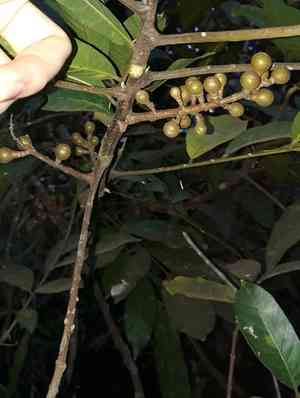
For american muskwood, the ideal period for relocation extends from the beginning to the end of spring, owing to beneficial temperatures and elevated soil hydration. Select a partially shaded spot to guarantee successful acclimation and robust development.
Necessary Preparations Before Relocating American Muskwood?
Optimal Period for Transplanting American Muskwood?
American muskwood should be moved from early to late spring. This timeframe allows the plant to develop its root system prior to summer's intense heat, promoting superior growth and stability. Transplanting during this window capitalizes on ideal soil moisture and temperatures, minimizing transplant shock and fostering robust establishment.
Required Spacing Between American Muskwood Plants?
American muskwood requires ample room to expand. Ensure each plant is positioned 20-30 feet (6-9 meters) apart for prime growth and air circulation.
Best Soil Mixture for American Muskwood Relocation?
American muskwood flourishes in well-draining, fertile ground. Incorporate organic compost into the soil and add a balanced, slow-release fertilizer to give the plant a strong start.
Where to Replant Your American Muskwood?
American muskwood prefers full sun but can endure partial shade. Select a sunny spot in your garden where it can receive a minimum of 6 hours of daily sunlight.
Equipment to Prepare Before Transplanting American Muskwood?
Gardening Gloves
To safeguard your hands while handling soil and the plant.
Shovel or Spade
For excavating trenches around the plant.
Hand Trowel
To aid in removing the plant and digging smaller holes.
Watering Can or Hose
To hydrate the plant before and after its relocation.
Pruning Shears
To trim any damaged or excessively long roots.
Mulch
To assist in retaining moisture and protecting the plant once moved.
Wheelbarrow or Tarp
To transport the plant if necessary.
How to Extract American Muskwood from the Soil?
How to Extract American Muskwood from the Soil?
From Ground: First, irrigate the american muskwood plant to moisten the soil. Then, excavate a wide trench around the plant using a shovel or spade, ensuring the plant's root ball remains intact. Carefully work the spade beneath the root ball to lift the plant from its original spot.From Pot: Gently tap the pot's sides to loosen the soil. Carefully invert the pot while supporting the plant's base, and slide the root ball out. If the plant is root-bound, use a hand trowel to loosen the roots before removal.From Seedling Tray: Water the seedlings thoroughly before removal. Use a small hand trowel or your fingers to gently lift each seedling, making sure to keep as much soil around the roots as possible. Be careful not to harm the delicate roots.
Detailed Guide for Transplanting American Muskwood
Site Preparation
Prepare the area where you will relocate the american muskwood. Dig a hole that is twice as wide and equally as deep as the plant's root ball.
Plant Removal
Carefully extract the american muskwood from its initial location using the appropriate methods described previously.
Plant Placement
Position the american muskwood into the hole, ensuring the top of the root ball is level with the surrounding soil. Backfill the hole with soil, gently compacting it to eliminate air pockets.
Watering
Thoroughly water the transplanted american muskwood to help settle the soil and initiate root establishment in its new spot.
Mulching
Apply a layer of mulch around the base of the american muskwood to aid in moisture retention and root protection.
Post-Transplantation Care for American Muskwood?
Watering
Keep the soil around the american muskwood consistently damp, but not waterlogged, for the initial few weeks after transplanting to aid in developing strong roots.
Monitoring
Observe for indications of stress such as wilting or discoloration. Provide shade if the weather is extremely hot or sunny to help the plant adapt.
Pruning
Trim any damaged or dead foliage to encourage healthy growth and lessen stress on the plant.
Fertilization
Once the american muskwood is established, consider using a balanced fertilizer to promote healthy growth, adhering to the product's instructions.
Resolving Common Issues with American Muskwood Transplantation.
When is the optimal time to transplant american muskwood?
Early to late spring is ideal for relocating american muskwood to ensure prime growth.
How should I prepare the soil for american muskwood?
Enrich the soil with organic compost and ensure proper drainage to support american muskwood's roots.
What spacing is needed for american muskwood seedlings?
Position american muskwood seedlings 20-30 feet (6-9 meters) apart for ample growth room.
What is the ideal hole depth for american muskwood planting?
Excavate a hole twice the width and the same depth as the root ball for american muskwood.
Should I water american muskwood immediately after transplanting?
Yes, water thoroughly after transplanting to help american muskwood establish its roots.
How do I safeguard newly transplanted american muskwood from stress?
Mulch around american muskwood to retain moisture and provide a stable temperature for root development.
Can I fertilize american muskwood right after transplanting?
Wait a few weeks before fertilizing american muskwood to prevent burning the new roots.
How much sunlight does american muskwood require after transplanting?
American muskwood thrives in full sunlight, so ensure it receives at least six hours of direct light daily.
What if american muskwood leaves begin to wilt?
Check soil moisture and water as needed; wilting often indicates american muskwood requires more water.
How frequently should I water american muskwood post-transplant?
Water american muskwood regularly, aiming for moist but not waterlogged soil, especially during the initial weeks.



