How to Prune American muskwood?
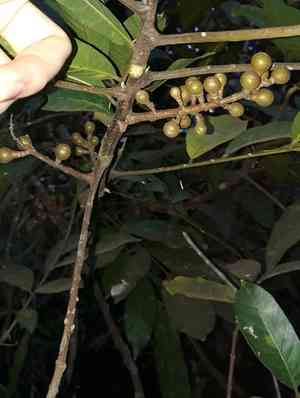
American muskwood is a remarkable evergreen species recognized for its lustrous foliage and aromatic blossoms. The most suitable periods for trimming are in late winter or early spring, coinciding with its developmental phase. Concentrate on excising deceased or ailing limbs and sculpting the crown to foster adequate air movement. Trimming can heighten its aesthetic value and control its dimensions. Consistent pruning aids in preserving the tree's well-being and vitality, guaranteeing a sturdy, appealing example within the environment.
What Are the Benefits of Pruning American Muskwood?
What Are the Benefits of Pruning American Muskwood?
American muskwood thrives with trimming, promoting vigorous growth and maintaining its form. Pruning helps manage its size, encourages robust development, enhances its overall look, and boosts its resistance to pests and diseases.
What Is the Best Time for Pruning American Muskwood?
What Is the Best Time for Pruning American Muskwood?
Trimming or cutting american muskwood during early spring and late winter is ideal as it coincides with the plant's dormant phase. Pruning at this time minimizes plant stress and lowers disease risk. Additionally, pruning during these seasons fosters healthy new growth and ensures a strong plant structure before the active growing period. Early spring and late winter pruning also avoids disrupting american muskwood's flowering or fruiting cycles, allowing the plant to flourish and produce effectively throughout the growing season.
What Tools Do I Need to Prune American Muskwood?
Pruning Shears
Pruning shears (hand pruners) are crucial for cutting small branches and dead or diseased stems. They provide precise cuts that help maintain american muskwood's health.
Loppers
Loppers are essential for severing thicker branches too large for hand pruners. They offer increased leverage and cutting power, suitable for managing american muskwood's sturdy growth.
Pruning Saw
A pruning saw is perfect for cutting larger branches that loppers cannot handle. It's vital for preserving the structural soundness and overall well-being of american muskwood.
Pole Pruner
Pole pruners are useful for reaching elevated branches without a ladder, ensuring safety while managing american muskwood's height and form.
How to Prune American Muskwood
Identify
Start by locating all dead or diseased branches on american muskwood. Look for branches that appear dark, brittle, or show visible disease signs like discoloration or fungal growth.
Clean
Sanitize your pruning tools using a solution of one part bleach to ten parts water. This prevents pathogen transfer during the pruning process.
Cut deceased
Begin by cutting back dead branches. Make clean cuts just above a healthy bud or side branch to stimulate new growth. Avoid cutting too close to the main stem to prevent plant injury.
Remove diseased
Eliminate diseased branches by cutting at least 6-12 inches below the visible disease symptoms. Dispose of these branches properly to stop disease spread.
Cleanup
Gather and discard all pruned material to keep the area tidy and minimize disease risk. Regularly inspect the plant for new signs of dead or diseased branches.
Common Pruning Mistakes with American Muskwood
Over-pruning
Removing excessive foliage can lead to plant stress and reduced growth. It's common to prune more than necessary.
Improper cutting technique
Using dull or unsuitable tools can result in jagged cuts, making the plant susceptible to disease. Many gardeners fail to make clean, angled cuts just above a node or branch.
Pruning at the wrong time
While the optimal season for pruning is excluded, it's crucial not to prune during harsh weather conditions like extended wet periods, which can heighten disease risk.
Ignoring the plant's natural shape
Pruning without considering the plant's inherent form can lead to an unattractive structure and compromised health. Some gardeners trim branches arbitrarily without a plan.
Common Pruning Tips for American Muskwood
Use sharp, clean tools
Always ensure your pruning shears, loppers, or saws are sharp and sterilized to make clean cuts and reduce disease risk.
Cut at the right angle
Make cuts at a 45-degree angle, just above a bud or lateral branch, to encourage healthy regrowth and prevent water accumulation on the cut surface.
Follow the 3-cut rule for large branches
For larger branches, use the 3-cut method to prevent bark tearing. Start with an undercut, then a top cut further out, and finish with the final cut just outside the branch collar.
Prune for structure and health
Focus on removing dead, diseased, or crossing branches to improve air circulation and light penetration while maintaining the plant's natural shape and structural integrity.
Don't over-prune
Aim to remove no more than 25-30% of the plant's foliage in one pruning session to avoid stressing the plant. Prune gradually over several seasons if a significant reduction is needed.



