How to Propagate American muskwood?
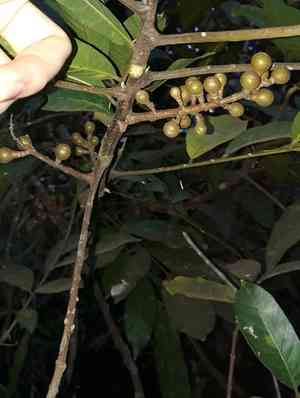
American muskwood, a tree indigenous to tropical zones, flourishes in damp, adequately drained substrates. For propagation through cuttings, choose semi-lignified sections from robust, developed specimens. Employing a rooting stimulant can boost the likelihood of success. Guarantee that cuttings are sustained in a moist atmosphere until their root systems are firmly set. Although american muskwood is resilient, sustaining a slightly acidic to neutral soil pH and abundant solar exposure will foster robust development. To achieve the best outcomes, acquire cuttings from trustworthy nurseries or well-established plants.
Optimal Period for American Muskwood Propagation
Propagation Method
Cutting
Propagation Period
Autumn,Winter
Tools Required for American Muskwood Propagation
Pruning Shears
Utilized for taking precise cuttings from american muskwood without harming the parent plant. High-quality, sharp shears ensure clean cuts, vital for disease prevention and healthy rooting.
Rooting Hormone
Assists in the formation of roots from cuttings. Applying rooting hormone to american muskwood cuttings can significantly boost successful propagation by stimulating root growth.
Propagation Trays
Offers a controlled setting for cuttings to root. Trays specifically designed for propagation help maintain humidity and warmth, crucial for american muskwood rooting success.
Soilless Growing Medium
Promotes root development by providing excellent drainage and air circulation. A peat and perlite blend is generally beneficial for american muskwood cuttings, preventing waterlogging while retaining moisture.
Misting System
Maintains high humidity levels, essential for preventing american muskwood cuttings from drying out. An automated misting system ensures consistent moisture, fostering better root formation.
Heating Mat
Stimulates the rooting process by supplying consistent bottom heat. As american muskwood thrives in warm conditions, a heating mat helps maintain an optimal temperature for root development.
Transparent Dome
Creates a miniature greenhouse effect over propagation trays, preserving humidity and temperature. A transparent dome is especially useful for american muskwood to ensure a stable and favorable rooting environment.
Sterile Scalpel
Provides precision and cleanliness when taking cuttings or making delicate incisions. Using a sterile scalpel reduces the risk of infection or disease in american muskwood, promoting healthier cuttings.
How to Propagate American Muskwood?
Propagation Difficulty
Moderately Difficult
Caring for Your Newly Propagated American Muskwood
Caring for Your Newly Propagated American Muskwood
Post-propagation, gradually introduce the new plants to their natural environment by slowly exposing them to normal humidity and natural sunlight. Ensure regular watering without saturating the soil, and fertilize with a balanced, water-soluble feed every 4-6 weeks during the growing season. Protect young plants from pests and harsh weather as they establish and grow. Prune as needed to encourage a healthy, bushy growth habit.
Common Errors to Avoid When Propagating American Muskwood
Insufficient Watering
Failure to maintain adequate soil moisture can lead to poor root development and impede successful propagation.
Incorrect Soil Mix
Using a soil mix that is too dense or lacks proper drainage can cause waterlogging, resulting in root rot and plant failure.
Overexposure to Direct Sunlight
Exposing young plants or cuttings to excessive direct sunlight can scorch leaves and dehydrate the plant.
Ignoring Pest Control
Neglecting to monitor and manage pests can lead to damaged foliage and stems, affecting overall plant health and growth.
Incorrect Use of Rooting Hormones
Either not using or overusing rooting hormones can negatively impact root formation and propagation success.
Tips For Propagating American Muskwood
Consistent Moisture
Keep the soil consistently moist but not waterlogged to encourage healthy root development.
Well-Draining Soil
Use a well-draining soil mix to prevent waterlogging and promote healthy root growth.
Indirect Light
Place the plant or cuttings in an area with bright, indirect light to avoid leaf scorch and dehydration.
Pest Monitoring
Regularly check for pests and manage them early to ensure healthy plant growth.
Proper Rooting Hormone Application
Use rooting hormones according to the manufacturer's instructions to enhance root formation without causing damage.



