How to Transplant Apache plant?
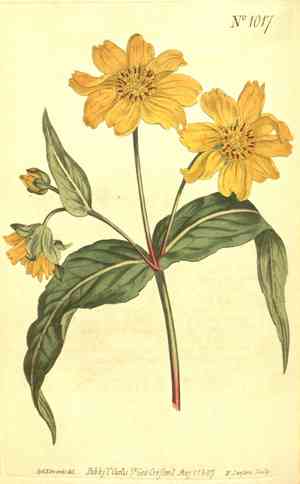
The ideal period for relocating an apache plant spans from the refreshing onset of early spring through the lively stretch of late spring. Select a sunny location featuring soil that drains effectively, and during the transfer process, safeguard the root system's wholeness to foster vigorous development.
What Preparations are Needed Before Transplanting Apache Plant?
What is the Ideal Time for Transplanting Apache Plant?
The optimal period for relocating apache plant outdoors is when the frost recedes and mild weather begins, from the start of gentle warmth in the early growth season until its peak. Moving apache plant during this timeframe ensures roots establish well, benefiting from fresh moisture and cooler nights for recovery before summer heat. Placing apache plant in its new home during this interval promotes vigorous growth, maximizing its potential for robust health and abundant blooms.
How Much Space Should You Leave Between Apache Plant Plants?
When transplanting apache plant, aim for ample room by providing each plant approximately 12-18 inches (30-45 cm) of clearance from adjacent plants. This allows your apache plants to thrive without competing for resources.
What is the Best Soil Mix for Apache Plant Transplanting?
For a thriving apache plant, prepare a well-draining and fertile growing medium. A blend of loamy soil enriched with compost provides an excellent foundation. Initiate growth with a balanced, slow-release fertilizer to encourage young root development.
Where Should You Relocate Your Apache Plant?
Select a sunny location for your apache plant that receives at least 6 hours of daily sunlight. Your apache plant enjoys ample sun exposure, so a spot that gets morning light and remains bright into the afternoon is ideal.
What Equipments Should You Prepare Before Transplantation Apache Plant?
Gardening Gloves
To safeguard your hands while handling soil and plants.
Shovel or Spade
For excavating the plant and moving it.
Watering Can or Hose
To hydrate the plant before and after relocation.
Wheelbarrow or Tarp
To transport the plant and soil cleanly.
Pruning Shears
For trimming any dead or excess plant parts.
Measuring Tape
To ensure correct spacing between transplanted plants.
Stakes or Plant Supports
To offer stability to the apache plant after transplanting, if needed.
How Do You Remove Apache Plant from the Soil?
How Do You Remove Apache Plant from the Soil?
From Ground: Thoroughly water the apache plant to moisten the soil. Use a shovel or spade to dig a wide circle around the plant, being careful not to harm the root system. Angle the spade beneath the root ball and gently lift the plant from the ground.From Pot: Water the apache plant to facilitate removal. Tilt the pot sideways and gently tap the bottom and sides to loosen the plant. Carefully pull the plant by its base, easing it out while supporting the root ball with your other hand.From Seedling Tray: Water the tray to dampen the soil. Use a spoon or dibble to loosen the soil around the seedling. Gently lift the seedling by its leaves, not the stem, ensuring a good amount of soil remains attached to the roots.
Step-by-Step Guide for Transplanting Apache Plant
Prepare the New Site
Dig a hole twice the width of the apache plant's root ball and equal to its previous planting depth.
Test Plant Placement
Position the apache plant in the new hole to confirm it sits at the correct level, with the top of the root ball flush with the surrounding ground.
Plant Positioning
Carefully place the apache plant in the center of the hole, ensuring it is upright and oriented as desired.
Fill the Hole
Backfill the hole with the excavated soil, gently firming it around the roots. Avoid compacting the soil too much, which can impede root growth.
Watering
Gently water the apache plant, ensuring the soil settles and eliminates air pockets that could harm the roots.
Add Mulch
Spread a layer of mulch around the base of the apache plant to retain moisture and suppress weed growth, keeping mulch away from the stem to prevent rot.
How Do You Care For Apache Plant After Transplanting?
Stabilizing
If the apache plant appears unsteady, use stakes or plant supports to secure it until its roots establish.
Initial Watering
Water the apache plant every other day for the first week, then gradually reduce to once a week as it settles.
Pruning
Trim any damaged or broken stems to encourage healthy new growth.
Monitoring
Observe the apache plant for signs of stress such as wilting, leaf drop, or discoloration and address promptly.
Troubleshooting Common Issues with Apache Plant Transplantation.
What's the best time to transplant my apache plant?
The optimal period for transplanting apache plant is from early to late spring when the soil warms.
How far apart should I space my apache plant plants?
Aim for a spacing of 12-18 inches (30-45 cm) to provide your apache plant ample room to flourish.
Why are my transplanted apache plant's leaves wilting?
Leaf wilting after transplant is often due to root shock. Ensure careful handling and sufficient watering.
How deep should the hole be for transplanting apache plant?
Dig a hole as deep as the root ball and twice as wide to promote growth.
Should I fertilize apache plant when transplanting?
Wait a few weeks post-transplant to fertilize apache plant so the roots can establish undisturbed.
What are signs of poor transplanting of apache plant?
Stunted growth, yellowing leaves, or leaf drop can indicate transplant stress in your apache plant.
How do I prepare apache plant for transplanting?
Water apache plant well before lifting, maintain root moisture, and avoid exposure to wind and sun during transplant.
Can apache plant be transplanted in the summer?
Transplanting apache plant in summer can be stressful for the plant; springtime is ideal for success.
How can I reduce transplant shock in apache plant?
Minimize root disturbance, water thoroughly after planting, and provide shade if necessary to lessen shock.
Is there a specific soil type preferred for apache plant's transplant?
Well-draining soil rich in organic matter supports the healthy growth of transplanted apache plant.



