How to Prune Apache plant?
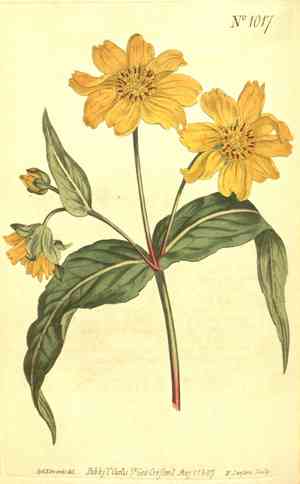
Originating from dry environments, this bush thrives under direct sunlight, needing very little hydration. Trim apache plant during the latter part of spring to preserve its form and stimulate thick development, eliminating any lifeless or frail limbs. Trimming in summer can be performed to manage its dimensions. Make cuts above a leaf joint at a 45-degree incline to foster fresh sprouts. Pruning improves air movement and lowers the chance of illness in apache plant. Disinfect implements to avert contamination. It is vital to refrain from excessive pruning to protect the well-being of apache plant.
What Are the Benefits of Pruning Apache Plant?
What Are the Benefits of Pruning Apache Plant?
Trimming apache plant promotes robust development and maintains its desired form. Strategic cuts foster a strong structure, allowing for a more controlled shape and size, crucial for both visual appeal and plant well-being.
What Is the Best Time for Pruning Apache Plant?
What Is the Best Time for Pruning Apache Plant?
The ideal periods for pruning apache plant are Spring and early Summer. These seasons are optimal as they coincide with the post-dormancy growth surge when sap flows actively, aiding healing and vigorous growth after pruning. Pruning at this time enables the gardener to shape the plant and remove any dead or diseased branches before the peak growing season, thus not disrupting the plant's natural flowering or fruiting cycles. Furthermore, any cuts made during this period are less likely to cause stress for apache plant, as the plant is in its most vigorous and resilient state.
What Tools Do I Need to Prune Apache Plant?
Hand Pruners
For precise cuts on apache plant's smaller stems, hand pruners are essential. They provide clean cuts that help prevent disease.
Lopping Shears
These are suitable for cutting through thicker branches of apache plant that hand pruners cannot handle due to their increased leverage.
Pruning Saw
For the thickest branches of apache plant, a pruning saw is necessary. It allows for cutting without damaging the surrounding branches.
Hedge Shears
If shaping apache plant is necessary, hedge shears can trim and shape hedges or the plant's foliage with ease due to their long blades.
Gloves
Protective gloves are required to prevent scratches or irritation from apache plant's foliage during the pruning process.
How to Prune Apache Plant
Sterilize
Before beginning to prune apache plant, sterilize all pruning tools with a solution of 1 part bleach to 9 parts water to prevent the spread of any plant diseases.
Diseased Leaves
Identify and remove any diseased leaves from apache plant by cutting them off at the base where they meet the stem or branch, ensuring not to tear or damage healthy adjacent foliage.
Withered Leaves
Locate withered or dead leaves on apache plant and gently prune them off at the base to promote healthy growth and improve airflow around the plant, which can reduce the likelihood of disease.
Diseased Stems
Carefully cut away any diseased stems on apache plant, making clean cuts with sharp pruners just above healthy leaf nodes or buds to encourage new growth and maintain the plantâs shape.
Disposal
Dispose of the removed diseased material far from apache plant and other plants to minimize the risk of further infection, never composting material that may contain pathogens.
Common Pruning Mistakes with Apache Plant
Over-Pruning
Removing too much foliage from apache plant at once can stress the plant, reducing its vitality and increasing susceptibility to diseases.
Improper Cuts
Making cuts too close to the main stem or leaving long stubs can hinder the healing process of apache plant and promote decay.
Using Dull Tools
Dull pruning shears or blades can cause jagged cuts, damage apache plant's tissues, and make the plant more prone to infection.
Pruning Without A Plan
Random or excessive cutting without understanding the growth pattern of apache plant can lead to an unbalanced shape and affect flowering.
Ignoring Diseased Limbs
Failing to remove dead or diseased branches can allow problems to spread throughout apache plant, compromising the plant's health.
Common Pruning Tips for Apache Plant
Clean Tools
Always use clean, sharp pruning tools to make clean cuts and reduce the risk of transmitting diseases to apache plant.
Prune For Shape
Trim apache plant to maintain the desired shape and size, focusing on removing only the necessary amount of growth.
Remove Dead Material
Regularly remove dead, dying, or diseased branches from apache plant to encourage healthy growth and improve air circulation.
Consider Growth Habit
Understand and take into account the growth habit of apache plant when pruning, to ensure that you are promoting the plant's natural form.
Disinfect Tools
Disinfect pruning tools between cuts, especially when working with diseased portions of apache plant, to prevent the spread of pathogens.



